Analysis — Based on hard data and expert insights, this report examines the profound academic, psychological, and social toll of bullying in Colombian schools, revealing a silent crisis that extends far beyond the playground.
Main Facts: The Hidden Reality of Colombian Classrooms
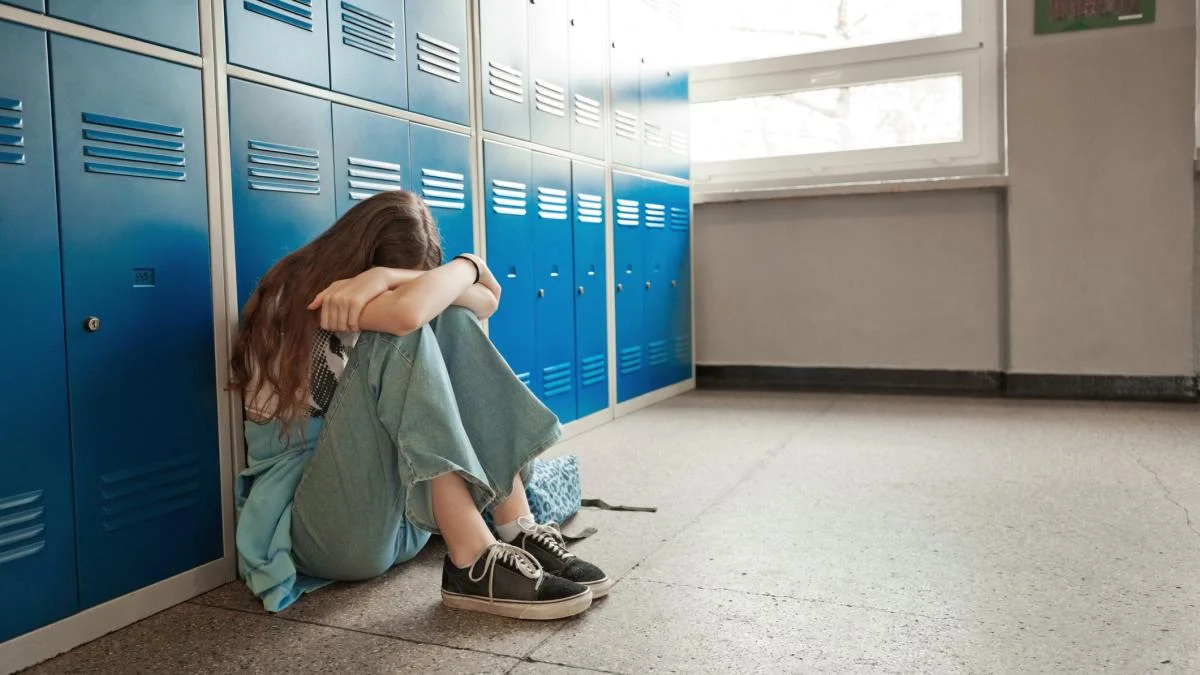
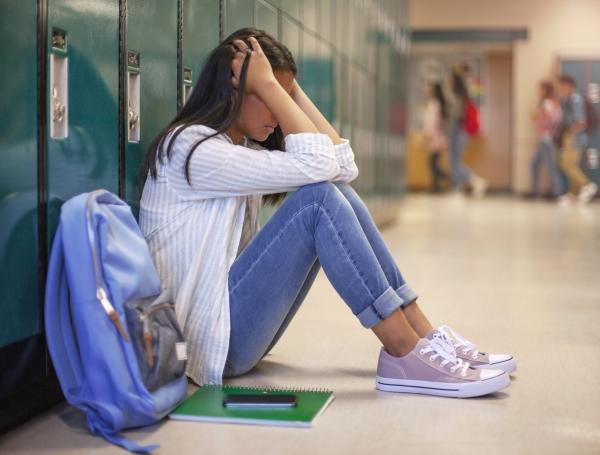
Imagine being 15 years old, dreading the sound of the morning alarm, not because of a difficult math exam, but because of the psychological warfare awaiting you inside your classroom. For roughly 124,000 students across Colombia—representing 20.7 percent of all 15-year-olds in the country—this is not a hypothetical scenario. It is a daily, exhausting reality.
According to a comprehensive new analysis by the Laboratorio de Economía de la Educación (LEE) at the Pontificia Universidad Javeriana—which meticulously examined microdata from the 2025 PISA tests—one in every five adolescents in Colombia is frequently subjected to school bullying.
More than a decade has passed since Colombia enacted Law 1620 of 2013, a landmark legislation designed to establish a National School Coexistence System. Yet, the Javeriana study reveals a sobering disconnect between legislative frameworks and the lived realities of students. The core of the problem lies in its invisibility. Unlike physical altercations that leave visible bruises and demand immediate administrative intervention, the most prevalent forms of bullying in Colombia operate in the shadows.
The data highlights a troubling profile of modern school harassment:
Relational Aggression Rules: The most common form of bullying is the intentional spreading of malicious rumors, affecting 13.4 percent of students.
Verbal Harassment: Mockery and public humiliation impact 10.7 percent of adolescents.
Physical and Direct Threats: Physical violence (pushes, hits) accounts for 4.3 percent, while direct threats affect 3.4 percent.
Cyberbullying: Digital harassment touches 3.6 percent of students, though it rarely exists in a vacuum. Over 88% of cyberbullying victims experience it concurrently with face-to-face harassment, meaning the psychological torment follows victims long after the school bell rings.
Chronology and Context: A Decade of Policy Versus Practice
To understand how Colombia arrived at this juncture, one must look at the evolution of educational policies concerning school climate over the past fifteen years.
2013 (The Legislative Turning Point): Following mounting public pressure and high-profile cases of institutional negligence regarding student mistreatment, the Colombian government enacted Law 1620. This law mandated anti-bullying committees in every school, tracking mechanisms, and psychological protocols.
2015–2019 (Implementation Gaps): Early evaluations of the law showed widespread bureaucratic compliance—schools created manuals and committees—but struggled with practical execution, particularly in identifying covert psychological and relational aggression.
2022 (PISA Benchmark): The PISA 2022 cycle positioned Colombia 11th among OECD nations in terms of bullying frequency, placing the country significantly above the international average.
2025–2026 (The Current Diagnosis): The release of PISA 2025 data and the subsequent LEE-Javeriana analysis in late 2026 revealed that while Colombia’s relative standing internationally has shifted—now ranking 43rd out of 90 educational systems globally and aligning closely with the OECD average of 21%—this shift is largely driven by a post-pandemic surge in bullying across developed nations rather than a dramatic local reduction in harassment.
Supporting Data: Decoding the Risk Factors
What makes a student vulnerable to bullying in Colombia? Surprisingly, the LEE-Javeriana study shatters conventional socioeconomic assumptions.
The Socioeconomic Paradox
In most OECD countries, poverty is deeply correlated with higher rates of bullying. Poorer students are disproportionately targeted. However, Colombia exhibits a reverse socioeconomic pattern.
Among students from the wealthiest 25% of households, 22.3 percent report frequent victimization.
Among students from the poorest 25% of households, the figure drops to 18.3 percent.
A similar trend appears regarding parental education: children of university graduates experience a 23.1% victimization rate, compared to 18.7% for children whose parents only completed secondary education.
This inverse pattern—shared in Latin America primarily only with Brazil and Guatemala—warns policymakers that anti-bullying programs targeting exclusively low-income or marginalized institutions will fundamentally fail to protect a vast portion of affected youth.
The Power of Family and Classroom Climate
While wealth does not shield a student from bullying, family structure and classroom environments play a decisive role.
Family Support: Students who perceive low support at home face a 24.4 percent victimization rate, compared to 16.8 percent for those with robust familial backing. Regular weekly dialogues about school life drop victimization rates to 18.6 percent.
Academic Standing: Students experiencing grade retention or academic lag are significantly more vulnerable. Those studying in a grade below their appropriate age group face a 24.3 percent victimization rate.
Classroom Chaos: Schools suffering from poor classroom discipline see victimization rates soar to 23.8 percent—roughly five points higher than schools characterized by orderly, respectful environments.
Official Responses and Expert Insights
The academic community has sounded the alarm, urging a fundamental reframing of how educational authorities view bullying. It is no longer acceptable to dismiss it as "normal teenage rite-of-passage behavior."
"Families cannot be present in every difficult situation their children face, but they can give them tools to confront harassment. The report clearly demonstrates that family support is the single factor most strongly associated with lower levels of bullying," explained Gloria Bernal, Director of the Laboratorio de Economía de la Educación (LEE).
Furthermore, researchers emphasize that institutional responses must evolve beyond punitive measures directed solely at the aggressor.
"The relationship between bullying, absenteeism, and academic lag can easily morph into a vicious cycle where a struggling student is rendered more vulnerable to bullying, and the bullying itself pushes them further away from school, deepening their academic deficit," warned Omar Garzón, a researcher at LEE. "Preventing harassment is a fundamental prerequisite for guaranteeing the constitutional right to education, not merely a disciplinary matter."
Experts advocate for socio-emotional training programs embedded within the core curriculum, anonymous reporting channels that can capture relational and digital aggression, and mandatory mental health resources integrated directly into school health posts.
Implications: The Vicious Circle of Absenteeism and Learning Loss
The true cost of bullying in Colombia is measured not only in emotional trauma, but in concrete, quantifiable losses to human capital. The PISA data maps a direct, destructive pipeline from harassment to academic failure.
1. Isolation and Alienation
Victims of frequent bullying carry heavy psychological burdens. 27.7 percent of frequently bullied students report feeling entirely alone at school—more than double the rate of their non-bullied peers (13.8 percent). Furthermore, victims report a diminished sense of belonging, lower self-perceived safety, and a lower overall life satisfaction score (7.3 out of 10, compared to 8.0 for others).
2. The Attendance Crisis
Faced with hostile environments, students naturally seek escape. 42.7 percent of bullied students missed classes during the two weeks preceding the PISA evaluation, compared to 34.5 percent of non-bullied students.
3. The Academic Penalty
This avoidance behavior comes with a devastating academic price tag. Students subjected to frequent bullying score 13 points lower in reading comprehension (averaging 393 points versus 406 points for non-bullied peers) and 9 points lower in mathematics.
When translated to the broader scale of national development, these 13 points represent a permanent handicap in literacy, critical thinking, and future employability. If Colombia is to break the cycles of generational inequality and low productivity, addressing the invisible epidemic of school bullying is no longer optional—it is an economic and moral imperative.
Introduction: The Philosophy of Stillness and Inner Alignment As humanity continues to navigate the fast-paced demands of modern existence, ancient wisdom traditions often provide a much-needed sanctuary for reflection. In the realm of astrology, weekly…
By Mateo Chacón Orduz | Education Desk The gates of the National University of Colombia (Universidad Nacional de Colombia), long considered the pinnacle of public higher education in the Andean nation, are witnessing a quiet…
By Paula A. Gaviria Aucique Subeditor of Print – EL TIEMPO The rapid acceleration of two global phenomena is currently reshaping societies worldwide: the unprecedented aging of the population and the explosive integration of sophisticated…