By: Global Health & Lifestyle Desk
Published: November 3, 2026
Updated: November 3, 2026
Main Facts
For generations, popular culture has pigeonholed felines as aloof, solitary, and fundamentally indifferent creatures compared to their canine counterparts. However, modern animal behavior science and contemporary veterinary insights are dismantling these persistent myths. With proper socialization, early positive exposure to humans, and a secure environment, domestic cats can develop profound affective bonds with people.
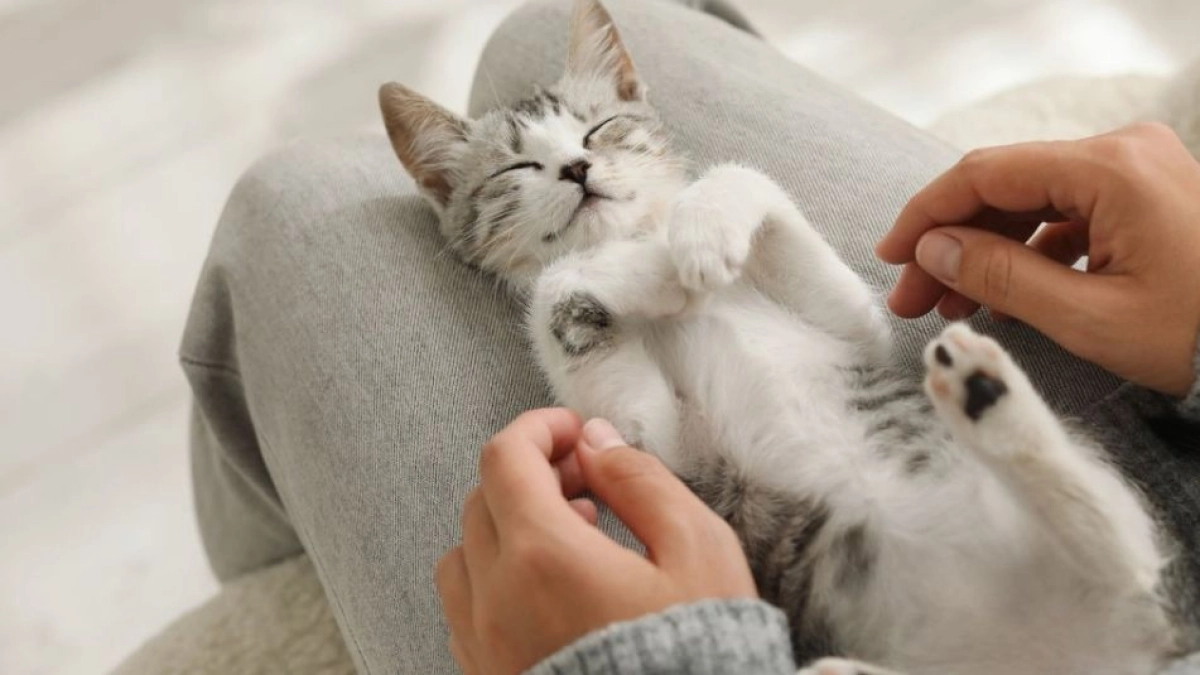
Far from being mere household ornaments, well-adjusted felines are increasingly stepping into sophisticated roles as emotional support companions and participants in animal-assisted therapy (AAT). Research confirms that human interaction with these animals yields measurable physiological benefits, most notably the reduction of cortisol—the body’s primary stress hormone. Yet, experts emphasize that feline participation in therapeutic frameworks requires strict ethical considerations, prioritizing the animal’s consent, behavioral disposition, and psychological comfort above all else.
Chronology: The Evolution of Feline Perception in Human Wellness
- Early Domestication Era to the Late 20th Century: Historically valued primarily for pest control, cats were domesticated largely on their own terms. Unlike dogs, which were bred explicitly for cooperative working tasks alongside humans, cats retained a high degree of their wild predatory independence. Consequently, societal perceptions categorized them as untrainable for therapeutic or collaborative roles.
- The Turn of the 21st Century (Early 2000s): As human-animal interaction (HAI) began to emerge as a recognized interdisciplinary field of scientific study, the focus was overwhelmingly on canines and equines. Felines were largely excluded from clinical settings due to assumptions about unpredictability, litter-box hygiene concerns, and perceived territorial anxiety.
- November 2019 (The WSU Breakthrough): A landmark study published by researchers at Washington State University challenged the status quo. By evaluating hundreds of university students interacting directly with both cats and dogs, the scientific community began quantifying the acute physiological stress-reduction mechanisms triggered explicitly by feline presence.
- Mid-2020s (Present Day): Veterinary behavioral medicine advances, alongside specialized kitten socialization protocols, have opened the door for select felines to enter structured emotional support and institutional visitation programs. Modern pet culture increasingly acknowledges that individual feline personality traits—rather than species-wide generalizations—dictate their capacity for empathy and social engagement.
Supporting Data and Scientific Insights: What the Research Shows
The scientific validation of cats as therapeutic assets is anchored in empirical physiology. A pivotal study conducted in 2019 by researchers at the Washington State University (WSU) provides some of the most compelling data regarding the human-feline dynamic.

The Washington State University Study
- Sample Size: 249 university students.
- Methodology: Participants were divided into groups, with some receiving unmediated, direct interaction with cats and dogs (petting, playing, and holding) for short sessions lasting approximately 10 minutes, while others waited in control conditions.
- Key Findings: Salivary cortisol samples taken before and after the sessions revealed a statistically significant drop in cortisol levels among the students who interacted directly with the animals.
- Broader Implications: While researchers were quick to note that animal interaction serves as a powerful acute stress-reduction tool—rather than a definitive clinical treatment or cure for chronic psychological conditions like severe clinical depression or generalized anxiety disorders—the data underscored that felines are equally capable of eliciting these calming neurochemical responses as traditional therapy dogs.
The Mechanics of Feline Affection
Behavioral experts point out that a cat’s capacity for socialization is heavily dictated by a critical developmental window—typically between two and seven weeks of age. Kittens exposed to gentle, positive human handling during this timeframe are far more likely to develop secure attachments, welcoming human touch and showing resilience in unfamiliar environments.
Furthermore, the rhythmic frequency of a cat’s purr—ranging generally between 20 and 140 Hz—has been hypothesized in various alternative veterinary studies to promote tissue regeneration and lower blood pressure in humans, adding an acoustic dimension to their emotional health benefits.

Official Responses and Expert Perspectives
Integrating cats into therapeutic or high-stress environments requires balancing human psychological needs with strict animal welfare standards. Leading veterinarians, animal behaviorists, and institutional welfare advocates have weighed in on the boundaries of feline-assisted interventions.
The Imperative of Animal Consent
"We must completely abandon the anthropomorphic view that cats exist solely to serve our emotional whims," notes Dr. Elena Vance, a prominent feline behavioral specialist and clinical researcher. "When a cat participates in a therapeutic setting, it cannot be a passive object of affection. It must be an active, willing participant whose body language is constantly monitored for signs of discomfort."
Institutional Standards for Animal-Assisted Interventions (AAI)
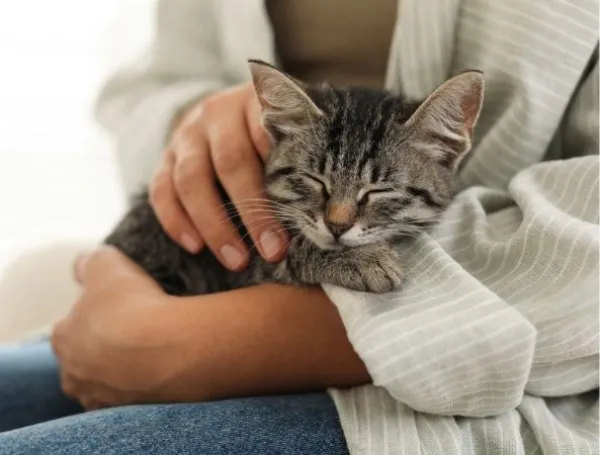
According to guidelines endorsed by major animal welfare organizations, any feline considered for institutional visits—such as schools, hospitals, or nursing homes—must undergo rigorous behavioral screening. Key criteria include:
- Stress Resilience: The ability to remain calm in environments featuring novel sounds, smells, and movements.
- Affiliative Drive: A natural predisposition to seek out human contact rather than merely tolerating it.
- Handling Tolerance: The capacity to be touched on sensitive areas (paws, tail, belly) without displaying defensive aggression or fear-based freezing.
- Immediate Exit Strategies: Handlers must provide a secure, enclosed safe space (such as a carrier or designated quiet room) where the cat can retreat instantly if it feels overwhelmed.
Implications: The Future of Feline-Assisted Well-Being
The recognition of cats as viable emotional support companions carries profound implications for modern urban lifestyles, mental health care frameworks, and shelter dynamics.
1. Urban Living and Mental Health
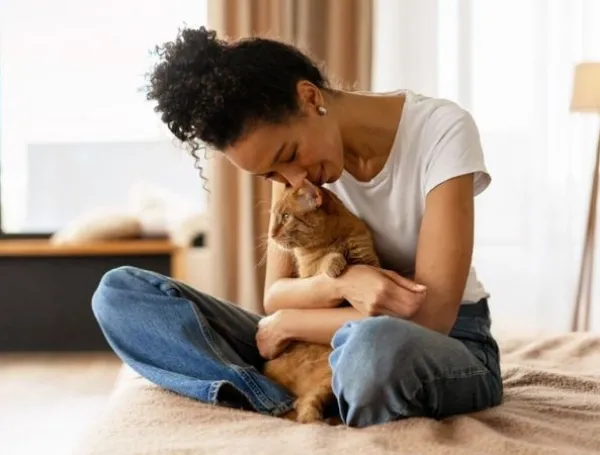
As millions of people worldwide reside in high-density urban apartments where keeping dogs is constrained by space, time, or building regulations, cats offer a more spatially manageable alternative for companionship. Recognizing that felines can mitigate daily workplace or academic stress elevates their status from low-maintenance pets to active partners in mental health maintenance.
2. Transforming Animal Shelter Strategies
For decades, shelter systems prioritized dogs for behavioral rehabilitation and community outreach programs. By understanding that adult cats can also be socialized and deployed for community comfort initiatives, shelters can design innovative enrichment programs. Introducing socialized shelter cats to low-stress community outreach events not only boosts human mental health but also dramatically increases the adoption visibility of overlooked adult felines.

3. Redefining the Boundaries of Empathy
Ultimately, the integration of cats into emotional support frameworks forces society to reevaluate how we define empathy in the animal kingdom. Moving past the binary comparison that pits the extroverted loyalty of the dog against the independent mystery of the cat allows humans to appreciate a quieter, more nuanced form of emotional resonance—one rooted in mutual respect, spatial boundaries, and earned trust.