By Juan José Ríos Arbeláez | Life Section | Edited for Global Context
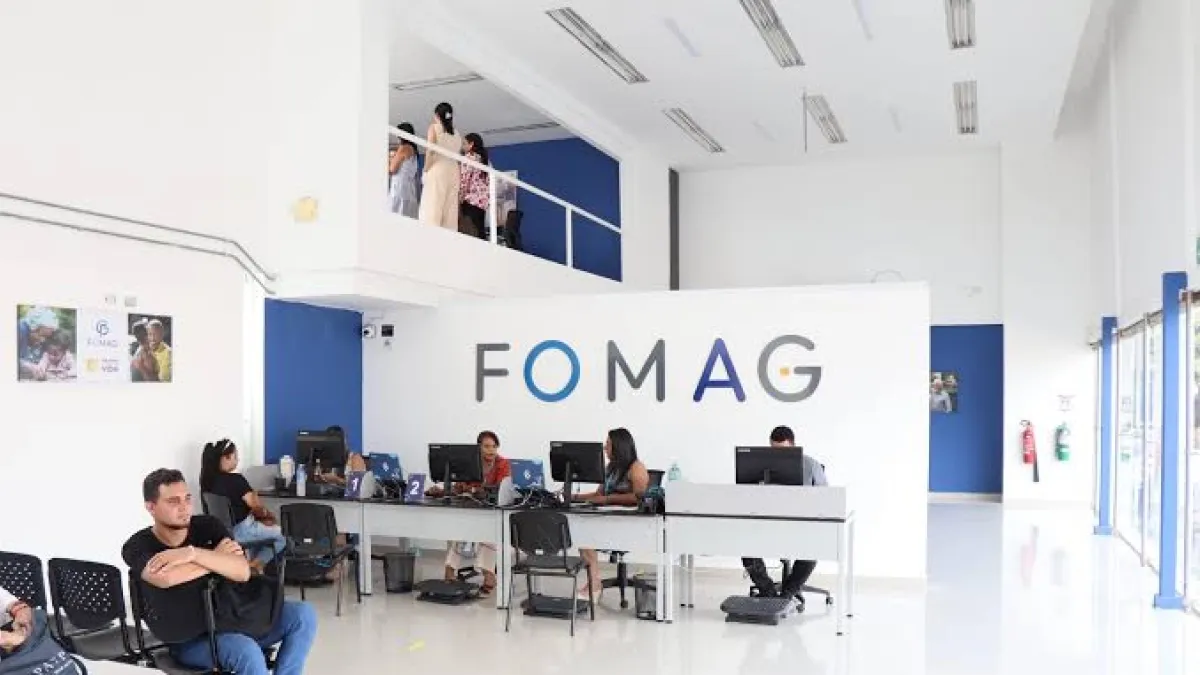
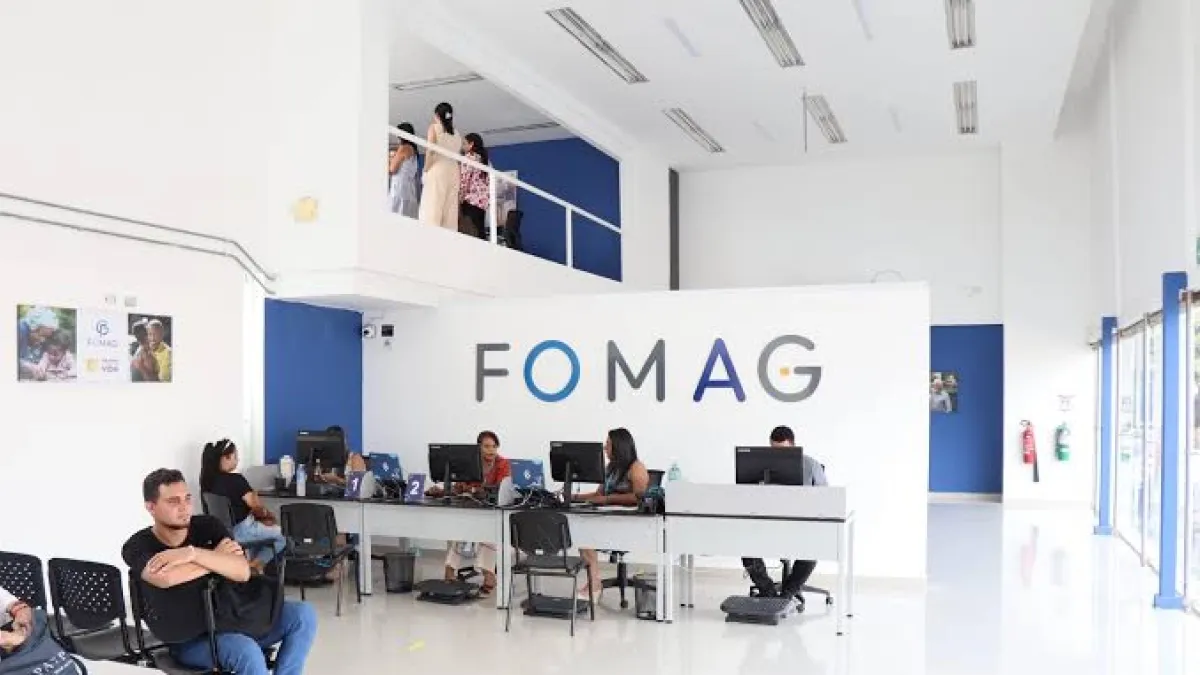
The National Fund for the Social Benefits of the Teaching Profession (Fomag) has officially launched an emergency "shock plan" aimed at restructuring the delivery of healthcare services for Colombia’s educators and their families. This urgent intervention, which began in the department of Antioquia, seeks to address systemic operational failures, settle mounting financial debts with healthcare providers, and formalize contractual agreements to ensure the continuity of medical services for over 820,000 beneficiaries.
As the institution navigates a complex administrative transition following the non-renewal of its fiduciary contract with Fiduprevisora, the stakes for the Colombian teaching community have never been higher.
1. Main Facts: The "Shock Plan" Strategy
The intervention strategy is designed as a multi-stage territorial rollout. Antioquia serves as the pilot region, where a dedicated task force from the Fomag central office is conducting intensive, face-to-face working sessions with hospitals, clinics, and service providers.
The strategy is built upon three primary pillars:
- Consolidation and Reconciliation of Debt: The Fomag is conducting a granular audit of outstanding accounts to identify the exact scope of liabilities owed to individual healthcare providers.
- Financial Management and Liquidity Flow: A critical objective is to optimize the timing of payments to prevent the interruption of services, a frequent complaint from regional clinics that have struggled with cash flow.
- Contractual Formalization: Beyond debt settlement, the Fomag is focused on establishing robust, long-term contractual frameworks that legally bind providers to specific service-level agreements, thereby stabilizing the network’s capacity to respond to patient needs.
Following the pilot in Antioquia, the Fomag is scheduled to extend its reach to the Atlántico and Valle del Cauca departments. The climax of this initial phase will be a national summit in Bogotá, where the entity will convene health providers from across the country to synthesize a nationwide agenda for financial and operational solvency.

2. A Timeline of Administrative Transition
The timing of this intervention is far from coincidental. It follows a landmark decision made on October 30, 2026, by the Fomag’s Board of Directors, which formally opted not to renew the trust agreement with Fiduprevisora. This contract, which had governed the management of teacher benefits since June 1990, officially expired on October 31, 2026.
The Roadmap of Change:
- October 30, 2026: The Board of Directors issues the decision to terminate the long-standing fiduciary relationship.
- November 1, 2026: Commencement of a one-year transition period. During this time, the government is tasked with preparing the technical and legal requirements for a new, competitive public bidding process.
- May 2024 to Present: The preceding period was defined by a controversial shift in the model, where Fiduprevisora assumed direct administration of healthcare and provider contracting, replacing the previous system that utilized nine independent regional operators.
- Future Outlook (2027): The completion of the bidding process and the selection of new operational managers for the Fomag’s healthcare network.
The current transition period is not merely a legal formality; it represents a fundamental pivot in how the state manages the health of its civil servants, aiming to move away from the fragmented and often debt-ridden model that characterized the 2024–2026 period.
3. Supporting Data: The Magnitude of the Crisis
The urgency of the Fomag’s shock plan is underscored by sobering financial and operational statistics presented to the Seventh Commission of the Senate.

Financial Liabilities
As of June 30, 2026, the Fomag reported outstanding debts to healthcare providers, pharmaceutical suppliers, and diagnostic centers exceeding 2.4 trillion Colombian pesos (COP). Perhaps more concerning is that roughly 1.24 trillion COP of this debt is classified as "critical arrears," meaning the payments are overdue by more than 180 days. This financial bottleneck has crippled the ability of many regional clinics to procure medicine or maintain diagnostic equipment.
Operational Performance
The human cost of these administrative failures is reflected in the volume of complaints. According to data from the Superintendency of National Health (Supersalud), August 2026 alone saw over 4,053 formal petitions, complaints, and claims (PQRD) from teachers and their beneficiaries. These complaints center on:
- Inability to schedule specialist consultations.
- Shortages in essential medication.
- Delays in critical medical procedures and surgeries.
The scale of the challenge is massive, as the system must provide comprehensive coverage for a population of 820,000 individuals, spread across diverse geographic regions with varying degrees of infrastructure access.

4. Official Responses and Institutional Commitments
In the wake of public concern regarding the transition, the government has moved to reassure the teaching profession. The Minister of Education, Ilva Myriam Hoyos, addressed the nation via digital channels to clarify the scope of the administrative changes.
"The non-renewal of the contract does not, in any way, signify a disruption in healthcare services," Minister Hoyos stated. "We are fully committed to all Colombians, specifically our teachers and their families. We guarantee that throughout this transition phase starting November 1st, their fundamental rights—including the right to life, health, pensions, and severance pay—will be fully protected."
The Fomag has echoed this sentiment, emphasizing that the "shock plan" is a proactive measure meant to bypass the bureaucratic gridlock that hindered service delivery in the past. By engaging directly with providers in the field, the institution claims it is bypassing the "middle-man" issues that characterized the previous fiduciary model.

5. Broader Implications: Can the Model Be Fixed?
The failure of the 2024 model, which consolidated management under Fiduprevisora, serves as a cautionary tale for the upcoming public tender. The attempt to centralize administration was meant to increase efficiency, but instead resulted in a breakdown of regional networks and a liquidity crisis that threatened to collapse the system.
The Challenges Ahead:
- Restoring Trust: The teachers’ unions remain skeptical, having experienced significant service degradation over the last two years. The Fomag’s ability to pay down the 2.4 trillion COP debt will be the primary metric by which the government’s success is judged.
- Defining the New Tender: The technical requirements for the upcoming public bid are critical. The government must decide whether to return to a decentralized regional model or refine the centralized approach to ensure better oversight and financial agility.
- Preventing Political Interference: As the Fomag manages both pension funds and health benefits, the separation of these accounts from political cycles remains a point of contention for labor advocates.
Conclusion
The "shock plan" currently underway in Antioquia is more than a debt-collection exercise; it is an attempt at institutional survival. The Fomag is racing against time to stabilize the medical network before the transition period concludes in 2027. If the government fails to reconcile its debts and improve the flow of resources, it risks not only a collapse of the health system but also a significant loss of confidence from one of the most vital sectors of the Colombian workforce.
For now, the eyes of the nation are on Medellin. Whether this intervention serves as a successful blueprint for the rest of the country or merely a temporary patch on a systemic wound remains the central question for the Colombian Ministry of Education and the Fomag leadership. As the negotiations progress, the focus must remain on the patient: the teacher who has paid into the system for years and is now demanding the quality of care they were promised.