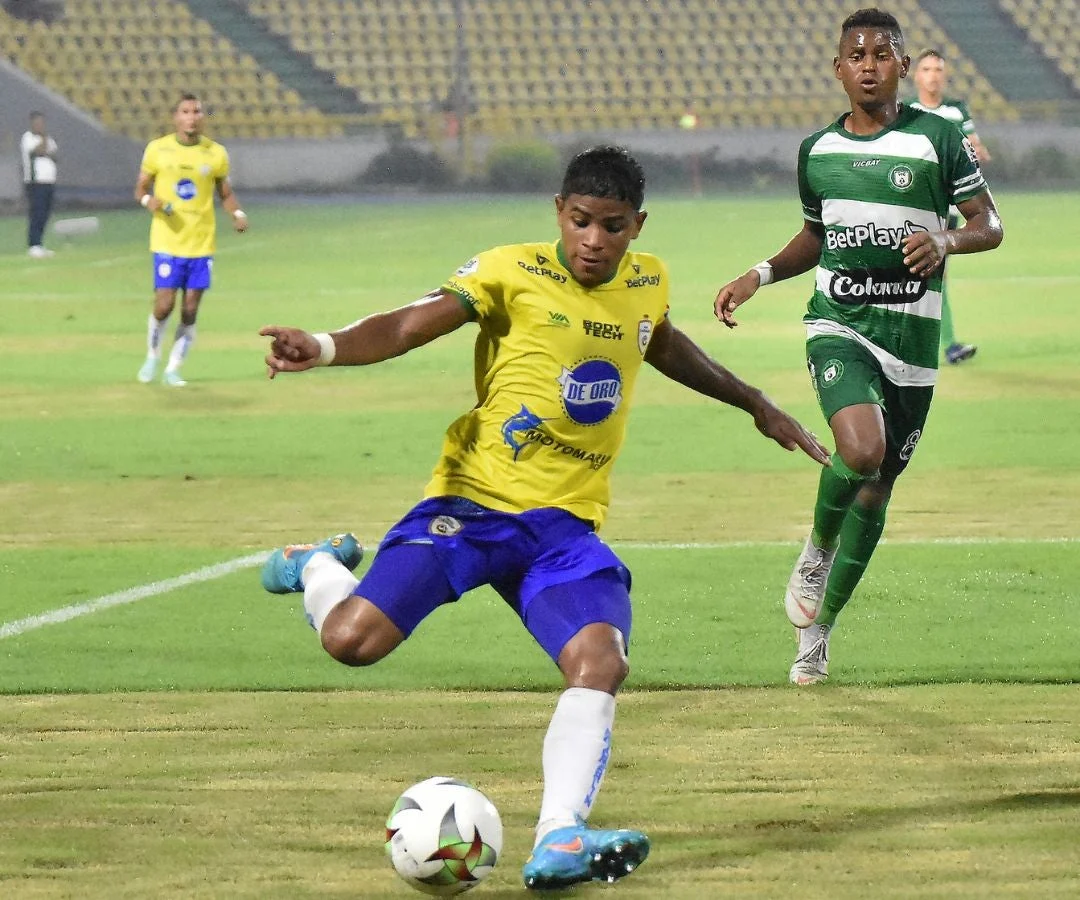
CARTAGENA, COLOMBIA — Colombian football is on the brink of a significant ownership shift as negotiations enter their final, decisive hours. Antonio Díaz, the prominent leader of the Grupo Empresarial Díaz, has confirmed that the conglomerate is moments away from finalizing a deal to acquire 100% of the shares of Real Cartagena, one of the historic clubs of Colombia’s Torneo BetPlay (second division).
In an exclusive interview with Win Sports, Díaz revealed that the intricate corporate maneuvering required to consolidate total control of the club is nearing its conclusion. If successful, the takeover will mark a new era for the "Heroic City" team, transforming its administrative structure and injecting substantial capital into a franchise that has long harbored aspirations of returning to the top flight of Colombian professional football.
Main Facts of the Transaction
The ongoing corporate transaction centers on the complete consolidation of Real Cartagena’s equity. Currently, Grupo Empresarial Díaz holds a significant minority stake of 35%, having initially entered the club’s ownership structure in January 2026. However, Díaz’s recent statements indicate that the group is poised to absorb the remaining shares distributed among minority stakeholders.
The current ownership breakdown of Real Cartagena features a diverse group of stakeholders:
- Grupo Empresarial Díaz: 35% (Acquired in January 2026)
- Colombiagol (Represented by Helmut Wening): 38%
- Rodrigo Alejandro Rendón: 23%
- Alcaldía de Cartagena (City Hall): 4%
According to Díaz, negotiations with Helmut Wening representing Colombiagol—the single largest shareholder block—are effectively settled in principle. "I can say that with Helmut Wening we have everything agreed upon, but in business, you have to sign to finalize, just like in matches you have to wait for the referee to blow the whistle for them to end," Díaz stated during his interview with Win Sports. He further downplayed any friction with Wening, noting, "They are not a problem; they simply have a different vision of football because they are developers [formadores]."
With the agreement with Colombiagol all but formalized, and discussions with other stakeholders progressing rapidly, the path is clear for Grupo Empresarial Díaz to take undisputed control of the institution. The final paperwork, according to corporate insiders, is expected to be executed within hours.
Chronology of the Takeover: From Minority Stake to Total Control
The journey toward this impending total acquisition has been swift, deliberate, and marked by heavy financial commitment from the Díaz family and their business conglomerate.
January 2026: The Initial Foothold
The story of this corporate transformation began in January 2026, when Grupo Empresarial Díaz officially entered the Real Cartagena ecosystem by acquiring a 35% equity stake. At a time when the club was searching for financial stability and renewed competitive direction, the conglomerate stepped in with a clear mandate: modernize the club’s infrastructure, stabilize its economic foundation, and build a competitive roster capable of mounting a serious challenge for promotion to Liga BetPlay (first division) and, eventually, qualification for international tournaments.
Throughout 2026: Operational Takeover
Even while holding a minority stake, Grupo Empresarial Díaz functioned as the primary financial engine of the club over the past year. Industry sources and club insiders confirm that the conglomerate single-handedly absorbed the mounting operational costs of the professional squad’s payroll, alongside securing and maintaining top-tier training facilities for the players and coaching staff. This heavy lifting demonstrated the group’s long-term commitment and served as a clear signal to fans and co-owners alike that they intended to steer the club toward professional excellence.
Late 2026: The Push for Consolidation
Recognizing that divided ownership and differing philosophies could hinder the club’s long-term strategic goals, Grupo Empresarial Díaz initiated aggressive buyout talks with the remaining shareholders in the final quarter of the year. Negotiations with Helmut Wening (Colombiagol) and Rodrigo Alejandro Rendón intensified. By December 2026, discussions reached an advanced stage, culminating in the recent announcement by Antonio Díaz that the final signatures are merely hours away.
Supporting Data and Financial Footprint
To fully understand the magnitude of this impending acquisition, one must examine the financial realities of running a professional football club in Colombia’s second division. Real Cartagena has historically possessed immense potential due to the football-crazed demographic of Bolívar department and the commercial appeal of Cartagena as a major tourist and industrial hub. However, unlocking this potential has consistently required heavy capital injection.
- Capital Investment: Since January 2026, Grupo Empresarial Díaz has invested heavily in the club’s day-to-day operations. By covering 100% of the player payroll and training ground expenditures during critical stretches of the year, the conglomerate shielded the club from liquidity crises that frequently plague second-division Colombian sides.
- Valuation and Buyout Metrics: While exact financial figures of the buyout remain confidential due to non-disclosure agreements, acquiring a combined 65% majority from Colombiagol (38%), Rodrigo Alejandro Rendón (23%), and the Alcaldía de Cartagena (4%) represents a multi-billion peso transaction in Colombian currency terms, factoring in past debts, player assets, and brand equity.
- Infrastructure Outlays: Beyond player acquisition, the new ownership model is projected to direct funds toward youth academies (divisiones menores) and stadium modernization initiatives, aligning with modern South American club management standards.
Official Responses and Stakeholder Perspectives
The impending transaction has generated widespread reactions across the Colombian sports media landscape, local government, and football administrative circles.
The Vision of Grupo Empresarial Díaz
Antonio Díaz has been transparent regarding his group’s motivation. Rather than viewing Real Cartagena as a mere financial asset, the conglomerate aims to fulfill a decades-long civic desire. "We are on the verge of a real possibility that things will happen; we are practically hours away from defining everything," Díaz emphasized. He acknowledged that the city of Cartagena has waited for this moment for a very long time, noting that the populace is starved for top-flight football and institutional stability.
Addressing the differing philosophies of the outgoing shareholders—particularly Colombiagol, which has historically functioned as a talent development and formative institution (formadores)—Díaz maintained a respectful tone. He clarified that while Wening and his associates view football primarily through the lens of player development, the new ownership will blend that formative mindset with an aggressive, results-oriented pursuit of championships and immediate promotion.
The Stance of Minority Stakeholders
- Colombiagol (Helmut Wening): Having controlled 38% of the club, Wening’s group has historically focused on scouting, nurturing, and transferring young talent. With the agreement reportedly in place, Wening’s exit paves the way for a unified executive board under Díaz.
- Rodrigo Alejandro Rendón: Holding a 23% stake, Rendón’s historical ties to the club’s administration are well-documented. Negotiations with Rendón have been described as delicate but professional, ensuring that his departure—or potential dilution of influence—occurs smoothly without triggering legal or administrative bottlenecks.
- Alcaldía de Cartagena (City Hall): Retaining a symbolic 4% stake, the local municipal government has maintained a cooperative stance. City officials have consistently stressed that whoever manages the club must guarantee transparency, community engagement, and the proper maintenance of the Estadio Olímpico Jaime Morón León.
Implications for Real Cartagena and Colombian Football
The transition of 100% of Real Cartagena’s shares into the hands of Grupo Empresarial Díaz carries profound implications for the sporting landscape of the Caribbean coast and the broader context of DIMAYOR (División Mayor del Fútbol Colombiano).
1. Administrative Stability and Unified Vision
For years, Real Cartagena has suffered from fractured ownership structures where differing visions between commercial investors, talent developers, and local politicians occasionally resulted in administrative paralysis. A single, unified ownership entity holding 100% of the shares eliminates boardroom friction. Decisions regarding coaching hires, player transfers, and long-term infrastructure can now be executed swiftly and decisively.
2. The Quest for Promotion (Torneo BetPlay to Liga BetPlay)
The immediate sporting priority for the new ownership is clear: breaking the curse of the second division. Real Cartagena has spent years knocking on the door of Colombia’s top tier, suffering numerous heartbreaking playoff exits. With a financially secure ownership group willing to bankroll competitive, high-caliber squads and retain key talent, the club is expected to be one of the heavy favorites in upcoming tournaments.
3. Economic and Social Impact on the "Heroic City"
Football in Cartagena is more than a sport; it is a cultural cornerstone. The return of Real Cartagena to the Liga BetPlay would inject significant economic momentum into the local economy through increased stadium attendance, sports tourism, merchandise sales, and corporate sponsorships. Furthermore, a stable, well-funded club provides a professional outlet for the rich talent pool native to the Bolívar department and the broader Colombian Caribbean coast.
4. Setting a Precedent for Corporate Investment in Colombian Football
The trajectory of Grupo Empresarial Díaz—moving from an initial 35% minority stakeholder to absorbing full 100% control within less than a year—serves as a modern blueprint for corporate takeover in Colombian professional soccer. It highlights a growing trend where robust business conglomerates utilize phased equity acquisitions to minimize risk before committing to full institutional ownership.
Conclusion
As the final hours of negotiation tick away, the historic city of Cartagena holds its breath. The impending consolidation of Real Cartagena under the sole leadership of Grupo Empresarial Díaz represents a definitive turning point. With financial commitments already proven throughout the past year, amicable agreements struck with major stakeholders like Helmut Wening, and an unwavering focus on promotion and international competition, the club stands on the threshold of a prosperous new era.
If Antonio Díaz and his executive team cross the finish line as anticipated, the whistles and shouts of the fans at the Jaime Morón León stadium will no longer echo with the frustration of unfulfilled potential, but with the roar of a unified club ready to conquer Colombian football once again.