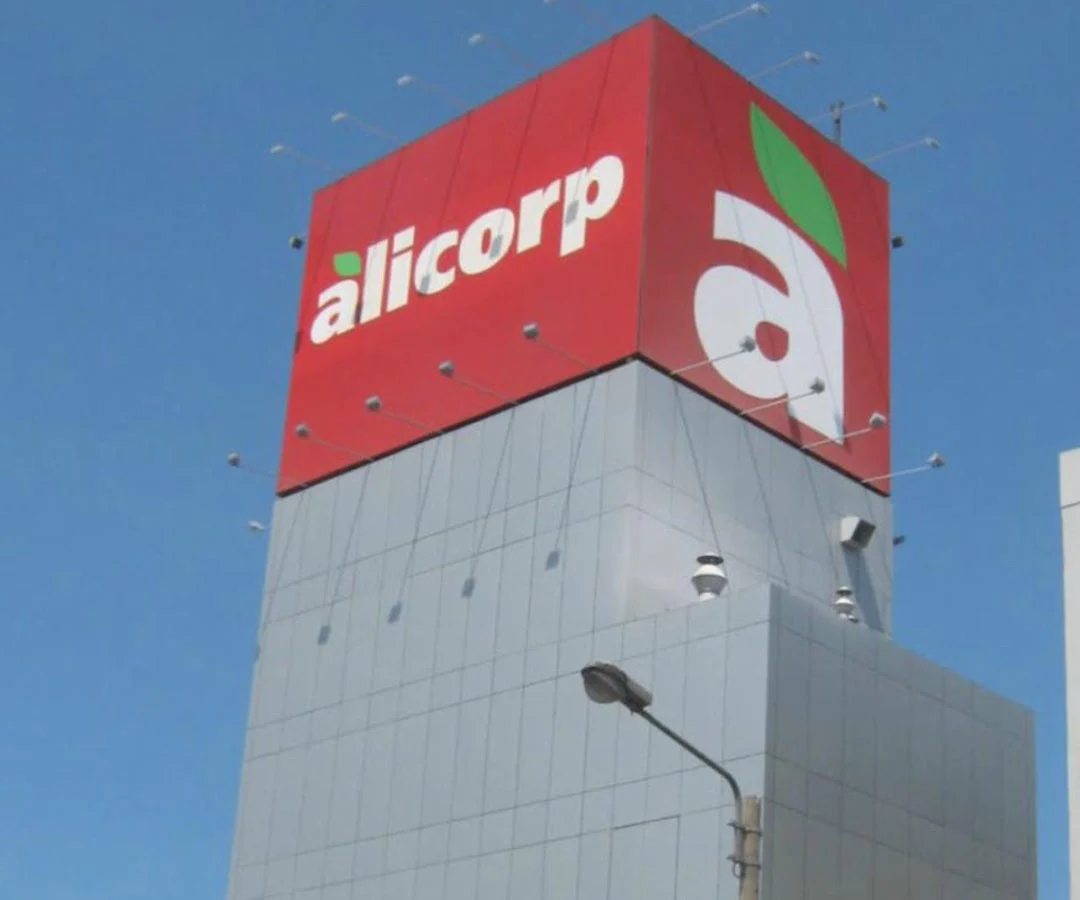
BOGOTÁ / LIMA / PANAMA CITY — In a landmark transaction that underscores the ongoing consolidation and strategic realignment of the fast-moving consumer goods (FMCG) sector in Latin America, Peruvian multinational Alicorp has officially announced the successful closing of its acquisition of Flora Food Group’s business across approximately 30 territories in South America, Central America, and the Caribbean.
Valued at over US$150 million in enterprise value, the high-stakes deal significantly reshapes the competitive landscape of the region’s food industry. By absorbing 19 distinct brands—either fully transferred or secured through exclusive commercial licensing agreements—Alicorp is not only expanding its product portfolio but is also integrating key manufacturing infrastructure, most notably a state-of-the-art production facility in Cali, Colombia.
This strategic maneuver is designed to solidify Alicorp’s market leadership in the high-margin spreads category, enhance its operational footprint across the Andean region, and leverage localized manufacturing to streamline supply chains from Colombia to Ecuador, Peru, Panama, and beyond.
1. Main Facts of the Transaction
The multi-jurisdictional acquisition encompasses a vast array of assets spanning nearly three dozen markets, establishing Alicorp as a dominant player in the Latin American spreads and margarine sector.
Portfolio Expansion and Brand Integration
At the heart of the transaction is the absorption of 19 powerhouse brands. Among the most notable additions is Rama, a household name and one of the most recognized consumer brands in Colombia. The portfolio acquisition also includes:
- Bonella and Dorina, key market-share holders in Ecuador.
- La Perfecta, a heritage brand deeply rooted in the Panamanian market.
- Country Crock, for which Alicorp has secured exclusive commercialization rights across Central America and the Caribbean.
These brands command high consumer loyalty and occupy prominent positions in retail channels across the region. By bringing them under the Alicorp umbrella, the company expects to immediately capture significant market share in the edible spreads segment.
Infrastructure and Manufacturing Assets
Beyond intellectual property and brand equity, the transaction features a vital physical asset: the manufacturing plant located in Cali, Colombia. This facility will serve as the operational cornerstone for Alicorp’s ambitions in northern and western South America.
According to corporate disclosures, the Cali plant will act as the primary supply hub, catering to domestic demand in Colombia while fueling exports to Ecuador, Peru, and Panama. In Central America and the Caribbean, where direct plant ownership is not part of this initial phase, Alicorp will rely on a sophisticated network of specialized third-party manufacturers and local distributors to maintain production continuity and market penetration.
Furthermore, the acquisition includes the integration of human capital. Alicorp plans to absorb the skilled teams directly responsible for managing the acquired brands, as well as the specialized personnel operating the Cali manufacturing plant. This retention of expertise is viewed by market analysts as a critical safeguard against operational disruption during the transition phase.
2. Chronology of the Deal
The path to finalizing this multi-million-dollar cross-border acquisition involved months of strategic planning, regulatory evaluations, and corporate negotiations between Alicorp and Flora Food Group. While executive teams kept preliminary discussions confidential to protect competitive positioning, the timeline leading up to the final closing highlights the meticulous nature of the transaction:
- Phase I: Strategic Alignment and Preliminary Evaluation (Early to Mid-2023): Alicorp identifies the expansion of its spreads category and the strengthening of its northern South American footprint as core strategic imperatives. Exploratory talks begin between Alicorp and Flora Food Group regarding the divestment of the latter’s operations in specific Latin American, Central American, and Caribbean territories.
- Phase II: Due Diligence and Transaction Structuring (Late 2023 – Early 2024): Financial, legal, and operational due diligence is conducted across approximately 30 jurisdictions. Teams evaluate brand valuations, supply chain dependencies, regulatory compliance requirements in Colombia, Ecuador, Peru, and Panama, and the integration potential of the Cali manufacturing plant.
- Phase III: Definitive Agreement and Regulatory Clearance (Mid-2024): Alicorp and Flora Food Group reach a definitive agreement, valuing the enterprise at over US$150 million. The companies submit necessary documentation to antitrust and regulatory bodies in the relevant countries to secure clearance for the transfer of brand assets and manufacturing operations.
- Phase IV: Closing Announcement and Transition Initiation (Recent Developments): Alicorp officially announces the successful closing of the acquisition. The companies immediately initiate the transition period, marked by the deployment of transitional service agreements (TSAs) and the integration of local operational teams.
- Phase V: Integration and Operational Handover (Current Stage): Alicorp, in close cooperation with Flora Food Group, implements its phased transition plan. This period focuses on maintaining uninterrupted manufacturing at the Cali plant, securing continuous retail supply, and preserving strict quality standards across all 30 target markets.
3. Supporting Data & Financial Metrics
To fully comprehend the magnitude of Alicorp’s latest expansion, it is essential to analyze the quantitative framework underpinning the transaction and the broader operational metrics of the companies involved.
Transaction Metrics at a Glance
- Total Enterprise Value: Exceeds US$150 million.
- Geographic Scope: Approximately 30 territories spanning South America, Central America, and the Caribbean.
- Brand Count: 19 brands integrated through a combination of direct ownership transfers and exclusive commercial licenses.
- Core Manufacturing Hub: 1 primary production facility integrated in Cali, Colombia.
- Key Regional Markets Targeted: Colombia, Ecuador, Peru, Panama, Costa Rica, Guatemala, Honduras, El Salvador, Nicaragua, and various Caribbean island nations.
Market Dynamics in the Spreads Category
The edible spreads and margarine market in Latin America has historically been characterized by steady, defensive growth, resilient even during periods of macroeconomic volatility. Consumers rely heavily on spreads for baking, cooking, and everyday household consumption.
By acquiring market leaders like Rama, Bonella, and Dorina, Alicorp bypasses the arduous and capital-intensive process of building brand equity from scratch in these categories. Instead, the company acquires established consumer loyalty, proven distribution channels, and immediate revenue streams.
Operational Synergies
Financial analysts point out that the inclusion of the Cali manufacturing plant will generate immediate operational efficiencies. By centralizing production for Colombia, Ecuador, Peru, and Panama, Alicorp can optimize capacity utilization, reduce cross-border logistics friction, and achieve economies of scale in raw material procurement—particularly regarding vegetable oils and packaging materials.
4. Official Responses and Executive Statements
The corporate leadership of Alicorp has emphasized that while the financial scale of the transaction is impressive, the ultimate measure of success will lie in execution, quality maintenance, and human-centric integration.
Juan Felipe Isaza on Strategic Priorities
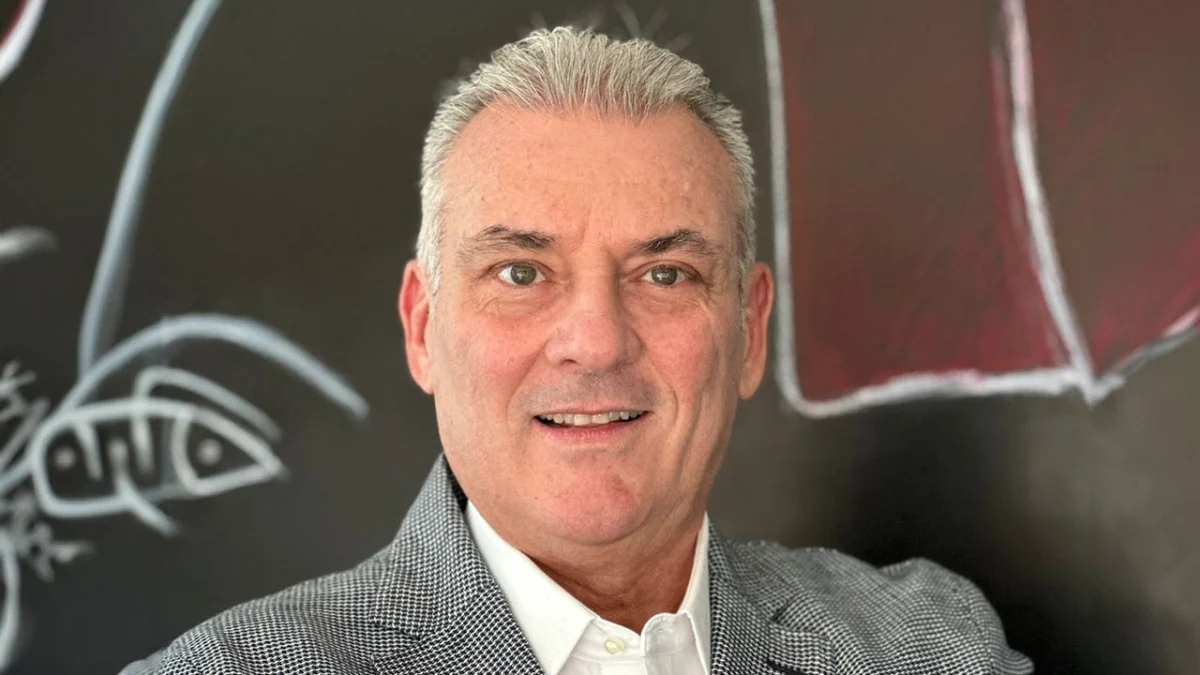
Juan Felipe Isaza, Country Manager of Alicorp in Colombia, Central America, and the Caribbean, provided crucial insights into the company’s immediate game plan following the acquisition. Speaking on behalf of the multinational, Isaza underscored that business continuity and customer trust remain paramount.
"We will continue advancing as a multinational company, generating economic momentum from Latin America and fostering development in the countries where we operate," Isaza stated.
"Our number one priority is people, and during this stage, we want to ensure an orderly transition hand-in-hand with Flora Food Group. This will allow us to maintain operational continuity, proper supply chain execution, and uphold the uncompromising quality and standards of these brands."
Isaza further elaborated that in the initial weeks and months following the closing, Alicorp will deploy transitional agreements to ensure that retail partners and consumers experience zero disruption in product availability on supermarket shelves.
The Mechanics of the Transition Phase
To facilitate a seamless handover, Alicorp announced that it will work closely with Flora Food Group via structured transitional services, supply, and licensing agreements. These temporary mechanisms are designed to give technical and commercial support teams sufficient time to transfer institutional knowledge, system controls, and distribution logistics without risking product stockouts.
Crucially, Alicorp has confirmed plans to integrate the existing human talent pools attached to the acquired brands and the Cali facility. By retaining the managers, technicians, and marketing professionals who built the equity of brands like Rama and Bonella, Alicorp ensures that institutional memory remains intact, smoothing the cultural and operational merger of the two corporate entities.
5. Strategic Implications for Alicorp and the Regional Market
The acquisition of Flora Food Group’s Latin American assets represents a watershed moment for Alicorp, significantly altering its competitive positioning, manufacturing footprint, and long-term growth trajectory.
Consolidating Regional Leadership
Alicorp has long been recognized as a heavyweight in Peru’s consumer goods sector, with a rapidly expanding footprint across South America. This transaction acts as a force multiplier for the company’s internationalization strategy. By embedding market-leading brands deeply into the cultural and culinary fabric of Colombia, Ecuador, and Panama, Alicorp diversifies its revenue streams away from domestic concentration and builds a more robust, multi-country portfolio.
Strengthening B2B and Retail Value Chains
The addition of the Cali plant enhances Alicorp’s manufacturing capabilities in the Andean sub-region. Operating a major production hub inside Colombia allows the company to capitalize on the country’s strategic geographic position as a logistics bridge between South America and Central America.
Furthermore, by managing production locally in Cali and utilizing specialized third-party networks in Central America and the Caribbean, Alicorp demonstrates a flexible, hybrid operational model. This approach minimizes heavy capital expenditures in regions where local manufacturing is less viable, while maximizing asset utilization where infrastructure is already mature.
Competitive Pressure on Rivals
The consolidation of Rama, Dorina, Bonella, and Country Crock under a single corporate umbrella creates a formidable competitor in the Latin American packaged foods sector. Rival multinational and domestic FMCG players will now be forced to reassess their own strategies in the spreads, shortenings, and culinary fats categories. Alicorp’s enhanced scale will likely translate into stronger negotiating power with major supermarket chains, better visibility at retail point-of-sale, and more aggressive marketing campaigns.
Economic Impact and Local Development
Beyond corporate metrics, Alicorp’s investment signals confidence in the economic potential of the Andean region. By securing jobs at the Cali manufacturing plant and maintaining commercial partnerships with local distributors throughout Central America and the Caribbean, the multinational reinforces its commitment to regional development. As Isaza noted, the company aims to generate sustainable economic momentum rooted in Latin America, for Latin America.
Conclusion
Alicorp’s acquisition of Flora Food Group’s business across 30 territories for over US$150 million is far more than a routine corporate transaction; it is a masterclass in strategic portfolio expansion and regional consolidation. By acquiring 19 iconic brands—led by Rama in Colombia—and integrating a vital manufacturing hub in Cali, Alicorp has firmly cemented its status as one of the preeminent consumer goods powerhouses in the Western Hemisphere.
As the transition phase unfolds under the watchful eye of regional leadership, consumers, retail partners, and industry analysts alike will be observing how smoothly the newly acquired assets are woven into Alicorp’s operational fabric. If the company’s initial execution and executive commitments are any indication, the future of these historic brands looks brighter, more resilient, and more expansive than ever before.