By Angie Rodríguez
Travel & Trends Journalist
October 30, 2026
Introduction: The Pinnacle of Global Hospitality
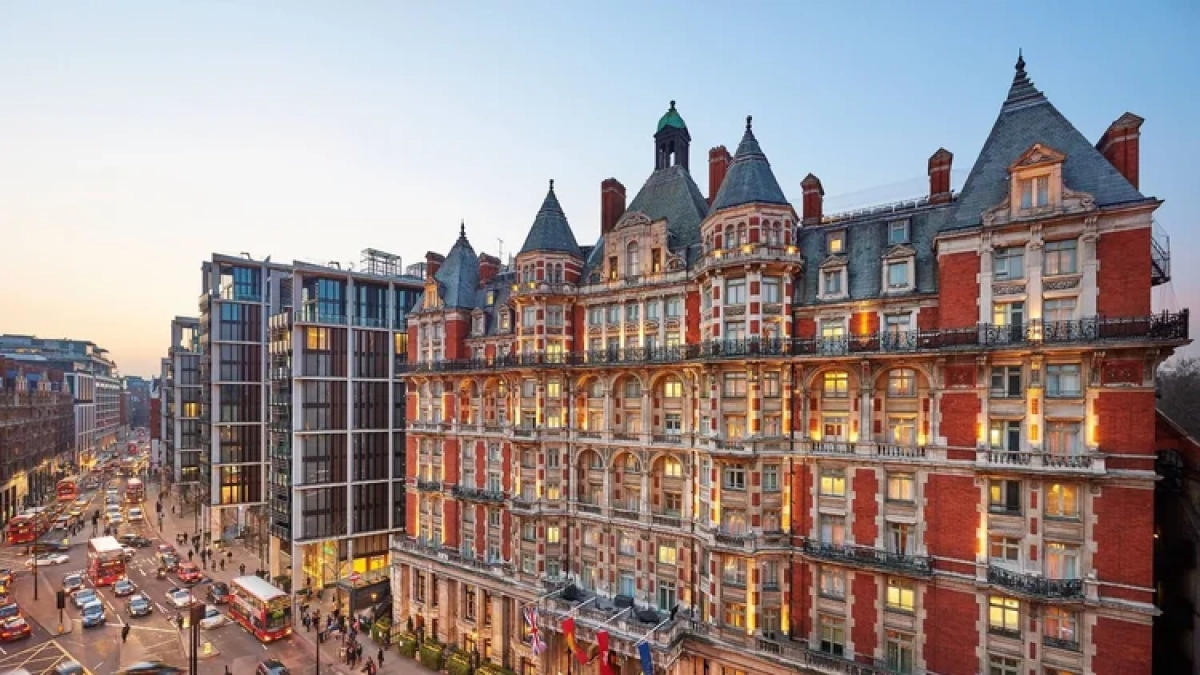
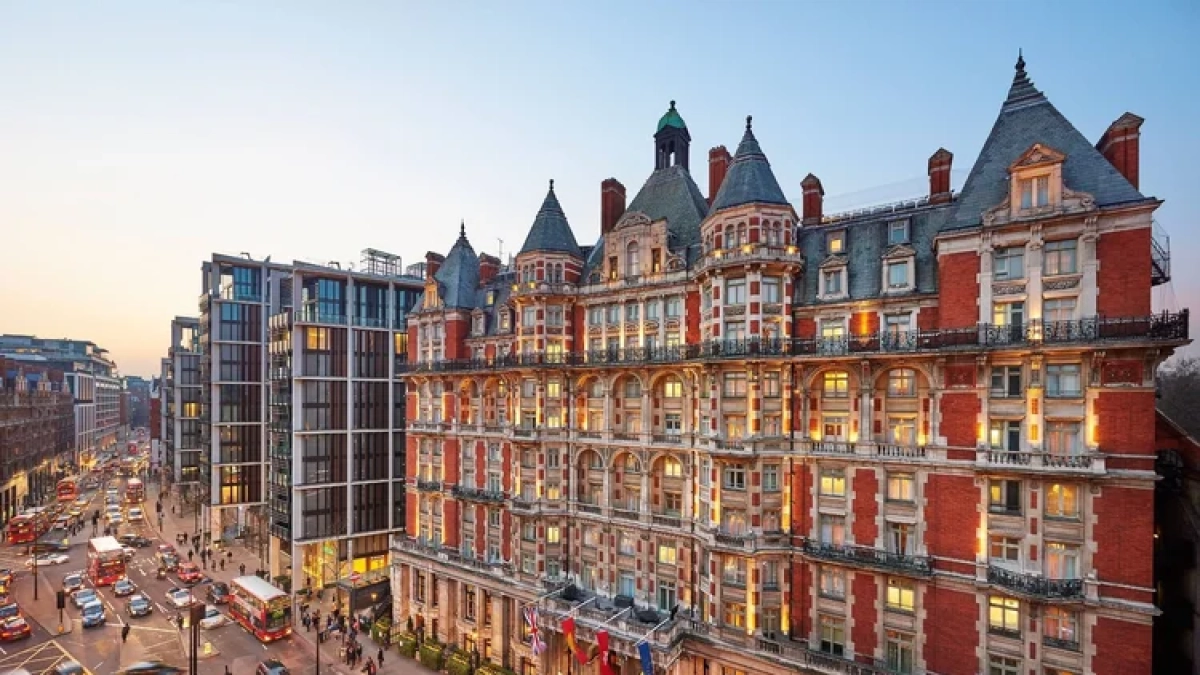
In an era where luxury is increasingly defined not by ostentation, but by hyper-personalized service, operational consistency, and profound cultural immersion, one hospitality giant continues to stand peerless at the summit. Mandarin Oriental Hotel Group has officially been crowned the best luxury hotel brand in the world for the fourth consecutive year.
The prestigious distinction comes courtesy of the 2026 annual ranking published by Luxury Travel Intelligence (LTI), a globally respected authority that meticulously evaluates the performance, service delivery, and strategic evolution of the world’s elite hospitality chains. Outperforming an elite field of international competitors, Mandarin Oriental secured the top spot with an impressive overall score of 81.1%, reinforcing its dominance in the ultra-luxury segment.
This latest accolade is far more than a routine industry trophy; it is a powerful testament to a brand that has mastered the delicate art of scaling global operations without ever sacrificing the intimate, detail-oriented ethos that defines true high-end hospitality. As the travel landscape undergoes rapid transformations driven by shifting consumer demands and aggressive corporate expansions, Mandarin Oriental’s sustained supremacy offers a masterclass in modern brand management.
Main Facts: The 2026 LTI Rankings and Methodology
To truly understand the magnitude of Mandarin Oriental’s victory, one must examine the rigorous framework utilized by Luxury Travel Intelligence. Unlike traditional consumer-choice awards or popularity contests that focus on individual properties, LTI evaluates entire corporate portfolios, measuring holistic brand performance and operational consistency across the globe.
The 2026 Podiums and Top 10 Brands
For the 2026 evaluation cycle, LTI expanded its scope, raising the bar by increasing the number of evaluated brands from 15 to 20. Crucially, the organization introduced a strict qualifying criterion: every contender was required to maintain a global portfolio of at least eight operational properties.
When the final tallies were calculated, Mandarin Oriental emerged victorious with 81.1%. It narrowly edged out some of the most fiercely respected names in global hospitality:
- Mandarin Oriental – 81.1%
- Oetker Collection – 80.6%
- Bulgari Hotels & Resorts – 80.2%
- Four Seasons Hotels and Resorts – 78.7%
- Rosewood Hotels & Resorts – 78.0%
- Dorchester Collection – 76.9%
- Belmond – 76.6%
- Capella Hotels and Resorts – 76.1%
- Aman Resorts – 75.5%
- Airelles – 75.2%
A Clean Slate Every Year
LTI’s methodology is deliberately unforgiving. Each annual evaluation starts completely from scratch, meaning zero historical bias or carry-over points from previous editions are factored into the final score.

The auditing process inspects 134 distinct touchpoints for every brand. These metrics span a wide array of criteria, including:
- The genuine alignment between corporate values and on-the-ground execution.
- The quality, vision, and stability of executive leadership.
- The caliber of staff training and the nuances of personalized guest service.
- Continuous financial and structural investment in both newly launched properties and heritage assets.
By assessing these parameters comprehensively, LTI ensures that only brands demonstrating unwavering excellence across all their global locations can hope to claim the crown.
Chronology: A Four-Year Reign of Excellence
To maintain dominance at the very top of the luxury hospitality sector for four consecutive years requires extraordinary organizational discipline. The journey of Mandarin Oriental to this milestone reflects a continuous upward trajectory of strategic investments, resilience, and service evolution.
2023: Cementing the Blueprint
Four years ago, Mandarin Oriental first seized the number-one ranking in LTI’s annual report. Coming out of the global travel disruptions of the early 2020s, the brand distinguished itself through its aggressive revitalization of classic European and Asian properties, alongside an unwavering commitment to staff retention and mental well-being initiatives—ensuring that service levels rebounded faster and stronger than its competitors.
2024: Navigating Expansion and Quality Control
As global tourism roared back to record-breaking levels, maintaining operational consistency became the ultimate industry challenge. Many competing brands stumbled as they rushed to open new doors. Mandarin Oriental, however, leveraged its strict operational frameworks to balance expansion with uncompromising quality control, successfully defending its crown amid shifting traveler preferences toward experiential and wellness travel.
2025: Deepening Cultural Roots
By 2025, the brand had fine-tuned its signature blending of its Asian heritage with local destination narratives. LTI’s evaluators noted that Mandarin Oriental’s investments in proprietary digital guest services—while preserving old-world human touchpoints—gave the group a definitive edge over competitors struggling to balance technological innovation with personal warmth.
2026: The Quadruple Crown
Securing the top spot in 2026 with an 81.1% score marks a historic high point for the group. By successfully navigating LTI’s expanded criteria—which now demands rigorous oversight across a minimum of eight properties—Mandarin Oriental proved that its leadership team can scale operations without diluting the brand’s exclusive DNA.
Supporting Data and Industry Dynamics
The ultra-luxury hospitality market is currently experiencing a Golden Age characterized by unprecedented competition. High-net-worth individuals are spending record amounts on travel, but their expectations have evolved. They no longer seek mere luxury defined by marble lobbies and thread-count metrics; they demand authenticity, privacy, sustainability, and transformative experiences.
The Margin of Victory
While Mandarin Oriental’s 81.1% secures its leadership, the data reveals just how intensely competitive the upper echelon of hospitality has become. Oetker Collection closely shadowed the leader with 80.6%, followed immediately by Bulgari at 80.2%. The razor-thin margins between the top three brands demonstrate that minor operational lapses—a delayed response from a concierge, a dip in dining standards, or deferred maintenance at a single flagship property—can instantly alter standings.
The Four Seasons Factor and Market Shifts
Prominent industry players like Four Seasons (78.7%) continue to maintain massive global footprints, yet specialized boutique-leaning giants like Rosewood and Aman maintain fierce loyalties among ultra-affluent travelers. The inclusion of French ultra-luxury brand Airelles (75.2%) into the top ten for the first time underscores a broader market trend: travelers increasingly gravitate toward hyper-exclusive, deeply regional European hideaways alongside traditional global giants.
Official Responses and Strategic Vision
The announcement of the 2026 rankings brought forth significant reactions from industry leaders, most notably from the chief executive steering Mandarin Oriental’s ambitious future.
Leadership Perspective: Laurent Kleitman
Reacting to the four-peat victory, Laurent Kleitman, CEO of Mandarin Oriental Hotel Group, expressed profound pride in the company’s global workforce. Kleitman attributed the repeated triumph to the relentless dedication of the brand’s on-the-ground teams, whose daily interactions bring the brand’s philosophy to life.

"This recognition is a direct tribute to the passion, talent, and tireless commitment of our colleagues worldwide," Kleitman stated. "At Mandarin Oriental, we do not simply provide rooms; we curate spaces where exceptional service meets the unique cultural heartbeat of every destination we call home."
Kleitman emphasized that the brand’s enduring success stems from its foundational DNA: a harmonious fusion of legendary Asian hospitality traditions with deep, authentic integration into the local communities where its properties reside.
The Asian Heritage Advantage
Industry analysts frequently highlight Mandarin Oriental’s Asian roots as a distinct structural advantage. Originating in Hong Kong with the iconic Mandarin hotel in 1963 and the Oriental in Bangkok in 1876, the brand inherited a philosophy of intuitive, highly discreet, and deeply respectful service that historically outpaces Western standards of hospitality. Today, the group successfully translates this philosophy across continents—from London and New York to Lake Como and Marrakech.
Implications: The Future of Mandarin Oriental
Winning the LTI award for the fourth consecutive year is a monumental achievement, but the executive board at Mandarin Oriental is already looking ahead. The brand is currently executing one of the most ambitious expansion blueprints in its history.

Doubling the Portfolio Over the Next Decade
In alignment with its long-term corporate strategy, Mandarin Oriental has committed to doubling the size of its global portfolio over the next ten years. This massive growth plan involves carefully curated developments in key gateway cities and high-end leisure destinations across the globe.
However, expansion in the ultra-luxury sector is a high-stakes balancing act. As the brand opens new doors, maintaining the flawless operational consistency that won them the LTI ranking will be their greatest test. Industry observers will be watching closely to see if Mandarin Oriental can successfully scale its footprint without compromising the bespoke attention to detail that sets its properties apart.
The Evolution of Luxury Travel
Mandarin Oriental’s trajectory offers crucial insights into where the broader hospitality industry is heading:
- Hyper-Personalization: Standardized luxury is dead. Guests expect hotels to anticipate their desires before they arrive, leveraging data and intuitive service equally.
- Cultural Authenticity: Properties must act as gateways to local communities rather than insulated bubbles. Mandarin Oriental’s emphasis on local storytelling has become a benchmark for others to follow.
- Sustainable Operations: As modern luxury travelers become increasingly eco-conscious, environmental stewardship and community upliftment are no longer optional—they are core components of a brand’s evaluation score.
Conclusion
As Mandarin Oriental basks in the glory of its fourth consecutive year at the top of the Luxury Travel Intelligence ranking, the brand stands not only as a benchmark of operational excellence but as a visionary leader shaping the future of global tourism. With its sights set on doubling its global footprint over the coming decade, the iconic fan logo will undoubtedly continue to grace the finest horizons in international hospitality, setting a standard that others can only hope to emulate.