By Breaking News Journalist
Published: December 8, 2025
Updated: December 8, 2025
Main Facts
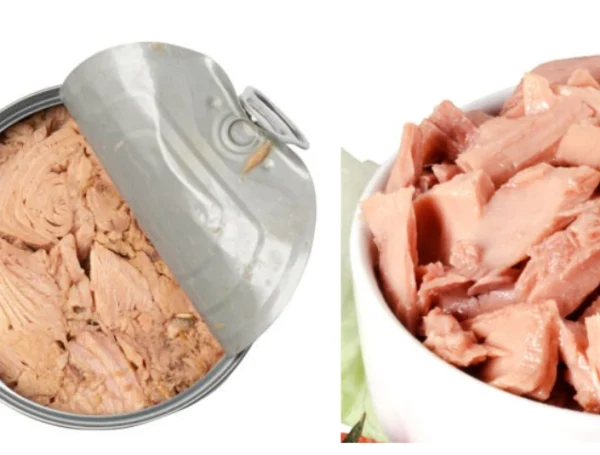
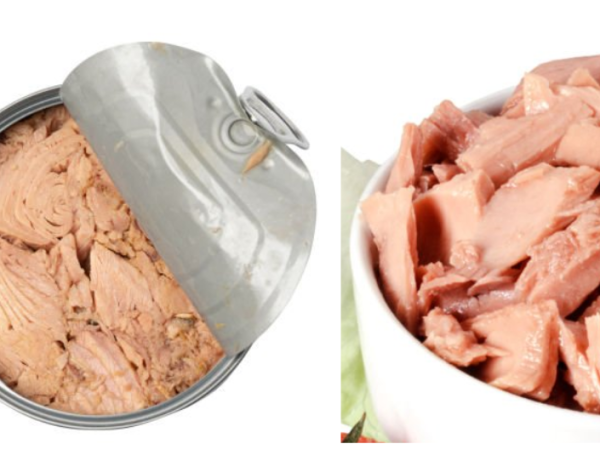
The consumption of canned fish remains a dietary staple in households worldwide, valued for its convenience, high-quality protein, and abundance of essential omega-3 fatty acids. However, a growing awareness regarding the presence of heavy metals—specifically mercury—has introduced a layer of anxiety to the everyday grocery shopping experience. Consumers are increasingly forced to balance the cardiovascular and neurological benefits of seafood against the potential toxicity associated with environmental pollutants.

To demystify this process, prominent nutritionist Blanca García-Orea, widely recognized on social media under the handle @blancanutri, recently published a comprehensive, practical guide designed to help shoppers differentiate between safer and riskier canned seafood products. Her methodology centers heavily on a careful examination of product labeling and an understanding of the biology and size of the fish species utilized in commercial canning.
According to García-Orea, a critical distinction lies in the wording of the product’s commercial denomination. Consumers frequently overlook subtle differences on ingredient lists and product titles, inadvertently exposing themselves to higher loads of heavy metals. Her primary rule of thumb is straightforward: shoppers should deliberately select canned tuna labeled strictly as "tuna" rather than varieties marketed as "light tuna" or "white tuna."

This distinction is not merely semantic; it directly reflects the ecological lifecycle and physical dimensions of the specific fish harvested. Large predatory fish accumulate significantly higher concentrations of methylmercury in their muscular tissues through a process known as bioaccumulation. By understanding how the size of the animal correlates with toxin accumulation, consumers can make safer purchasing decisions without entirely eliminating nutrient-dense fish from their diets.
Furthermore, García-Orea advocates for moderation, recommending a limit of one to two cans of tuna per week. She also advises shifting toward glass packaging when available to mitigate potential chemical leaching from metal cans, while supplementing regular diets with smaller, low-mercury pelagic fish species that deliver similar nutritional rewards with a fraction of the toxic risk.

Chronology
The discourse surrounding heavy metal accumulation in commercial seafood has evolved significantly over the past several decades, shifting from niche toxicological studies to mainstream public health advocacy.
- Late 20th Century: Regulatory bodies such as the U.S. Food and Drug Administration (FDA) and the World Health Organization (WHO) begin issuing preliminary advisories regarding mercury consumption, primarily targeting vulnerable demographics such as pregnant women and young children.
- Early 2000s: Scientific literature increasingly highlights the mechanism of bioaccumulation in apex marine predators, drawing a direct line between the lifespan of large fish and rising tissue concentrations of methylmercury.
- 2010s: The European Food Safety Authority (EFSA) releases systematic evaluations regarding heavy metal exposure from the diet, establishing tolerable weekly intakes and urging member states to refine consumer advisory guidelines regarding large pelagic species.
- Recent Years (Leading to December 2025): Digital health communicators and clinical nutritionists, including Blanca García-Orea (@blancanutri), leverage social media platforms to translate complex toxicological data into actionable grocery store guidelines.
- December 8, 2025: García-Orea publishes her definitive labeling guide, emphasizing the critical difference between generic "tuna" and "light tuna," sparking renewed public interest in safe purchasing habits and sustainable, low-mercury dietary planning.
Supporting Data
The scientific consensus regarding mercury in seafood is built upon extensive empirical research examining tissue samples across various marine species. The size, diet, and lifespan of a fish dictate its chemical profile.
The Science of Bioaccumulation
To understand why large tuna species carry higher toxic loads, one must examine the aquatic food chain. Smaller marine organisms ingest microscopic plants and animals that have absorbed trace amounts of mercury from industrial runoff and natural geological processes. When medium-sized fish consume these smaller organisms, the mercury remains trapped within their tissues.
As an apex or near-apex predator, a large tuna consumes thousands of smaller fish over a multi-year lifespan. Because mercury binds strongly to muscle tissue and is not easily excreted, it accumulates exponentially over time. Consequently, a massive fish that lives for decades will harbor exponentially higher concentrations of the metal than a small fish that completes its lifecycle in a fraction of that time.

Comparative Mercury Concentration Analysis
A landmark study published in the peer-reviewed journal Environmental Science and Technology quantified these disparities across various market-available tuna categories:
- White Tuna / Large Pelagic Varieties: The study documented average mercury concentrations reaching approximately 0.407 parts per million (ppm). These specimens frequently originate from large, long-lived predatory species (such as Thunnus alalunga or heavy specimens of Thunnus albacares), which can scale upwards of 200 kilograms.
- Lighter, Smaller Species ("Tuna" / Skipjack): In contrast, smaller market varieties—often derived from skipjack tuna (Katsuwonus pelamis)—yielded significantly lower concentrations, averaging around 0.118 ppm. These smaller individuals typically weigh an average of 35 kilograms, representing a much younger cohort with limited lifetime pollutant exposure.
+------------------------+---------------------+-------------------+
| Commercial Variety     | Average Weight      | Mercury Content   |
+------------------------+---------------------+-------------------+
| White / "Claro" Tuna   | Up to 200 kg        | ~0.407 ppm        |
| Standard "Tuna"        | Approx. 35 kg       | ~0.118 ppm        |
+------------------------+---------------------+-------------------+
This stark contrast highlights why professional nutritionists stress the importance of checking the exact product nomenclature at the supermarket checkout line. What appears to be a minor marketing difference on a label actually signifies a profoundly different biochemical profile.
Official Responses and Regulatory Guidance
Public health agencies and food safety authorities worldwide continuously monitor seafood supplies to protect consumer health. Their directives balance the undeniable nutritional value of fish against the chronic risks of heavy metal exposure.
The European Food Safety Authority (EFSA)
The EFSA has repeatedly issued strict warnings regarding dietary exposure to heavy metals. Their scientific panels emphasize that methylmercury is a potent neurotoxin capable of crossing the blood-brain barrier and the placental barrier. Consequently, the agency maintains rigorous guidelines advising pregnant women, nursing mothers, and young children to strictly moderate their intake of large predatory fish, including swordfish, shark, pike, and large tuna varieties.

Global Dietary Recommendations
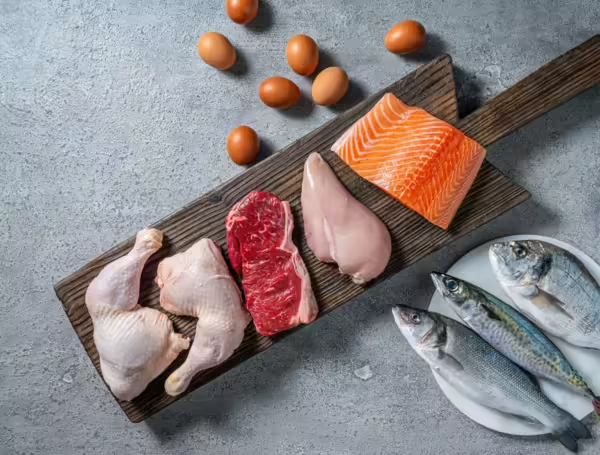
International health organizations uniformly advocate for fish consumption due to its wealth of lean protein, selenium, vitamin D, and omega-3 fatty acids (specifically EPA and DHA), which play a vital role in cardiovascular health and cognitive function. However, regulatory frameworks universally stress moderation. For standard adult populations, incorporating fish into the diet two to three times a week is widely encouraged, provided that selections favor smaller, sustainably caught species lower on the marine food chain.
Implications
The guidance provided by nutrition experts and supported by toxicological data carries profound implications for everyday consumer behavior, public health education, and the broader food manufacturing industry.

1. Shifts in Consumer Purchasing Habits
Empowering shoppers with clear, label-reading heuristics transforms grocery shopping from a guessing game into an informed health strategy. By simply scanning the ingredient list and product denomination for the word "tuna" instead of variations like "light tuna" or "white tuna," consumers can actively minimize their cumulative heavy metal intake without sacrificing convenience or dietary protein sources.
2. Packaging and Environmental Considerations
Beyond the biological composition of the fish itself, experts like García-Orea point out the secondary variables of food storage. Opting for canned fish packed in glass jars rather than traditional metal cans helps consumers avoid potential exposure to trace chemical contaminants and heavy metals that may leach from packaging materials during industrial processing and sterilization phases.

3. Embracing Alternative Pelagic Species
To completely bypass the risks associated with apex predators, nutritionists recommend diversifying seafood consumption by embracing smaller, oil-rich pelagic species. These alternatives deliver maximal nutritional density with negligible heavy metal accumulation:
- Sardines: Exceptionally rich in calcium, omega-3 fatty acids, and vitamin B12, sardines are short-lived schooling fish with virtually no time to accumulate heavy metals.
- Mackerel: A powerhouse of healthy fats and protein that remains well below the toxic threshold due to its relatively small size and rapid reproductive cycle.
- Anchovies: Often consumed whole or in concentrated pastes, these tiny fish provide intense umami flavor alongside robust cardiovascular benefits without the heavy metal burden of larger marine species.
4. Long-Term Public Health Outcomes
Education campaigns focused on mindful seafood selection contribute directly to long-term preventative health. By mitigating chronic, low-level mercury exposure, populations can protect neurological and renal function while maintaining heart-healthy diets. As food science continues to bridge the gap between industrial processing and clinical nutrition, consumer literacy remains the ultimate defense in cultivating a safer, healthier lifestyle.

Note: This article was developed with the assistance of artificial intelligence tools and thoroughly reviewed, edited, and expanded by a professional journalist.