By Natalia Cárdenas Chaux
Published: October 29, 2026
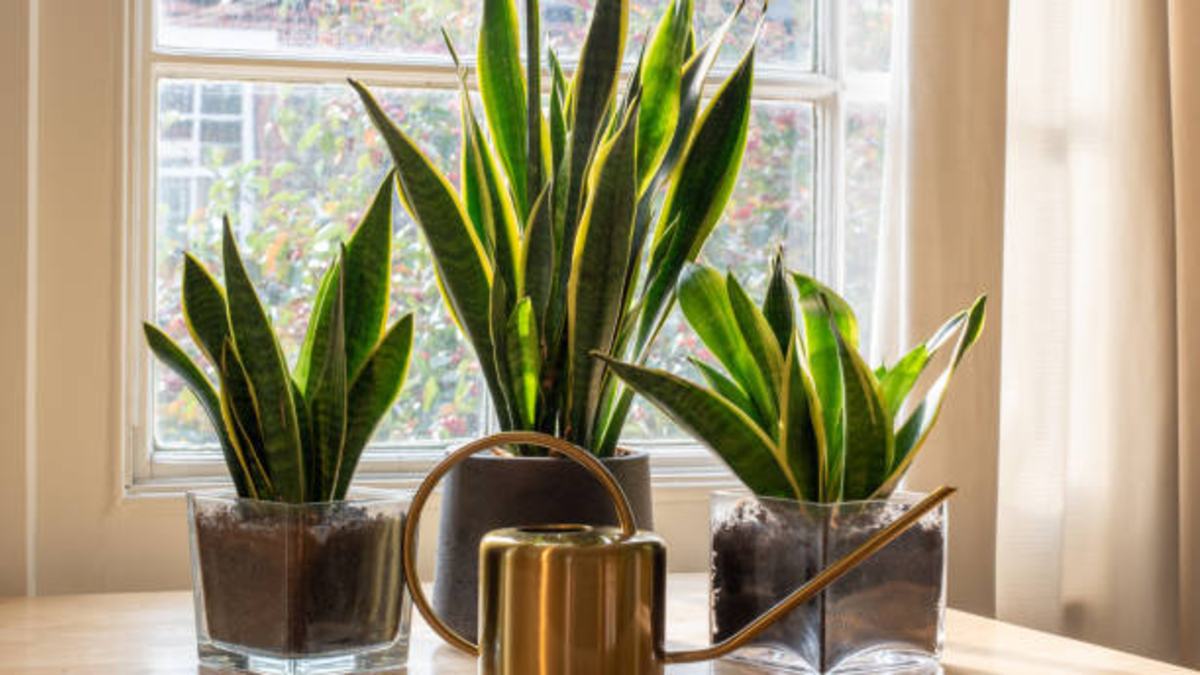
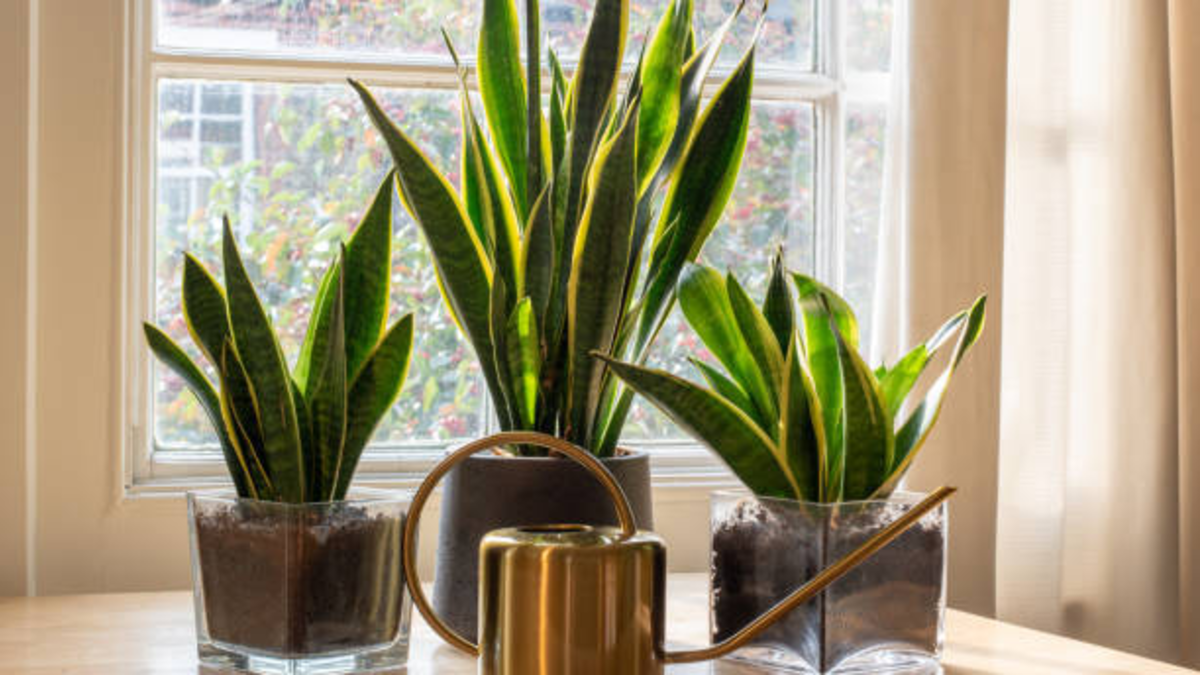
For decades, the Sansevieria—commonly known as the snake plant, mother-in-law’s tongue, or St. George’s sword—has reigned supreme as the ultimate indestructible champion of indoor gardening. Favored by interior designers, office managers, and novice plant parents alike, this architectural succulent is celebrated for its striking, vertical sword-like leaves, air-purifying capabilities, and uncanny ability to survive severe neglect.
Yet, even the hardiest of houseplants has its breaking point. One of the most common and distressing sights for an indoor gardener is discovering that a vibrant, deep-green snake plant is beginning to turn yellow, soft, or translucent.
According to botanical experts and horticulturalists, this discoloration is rarely a random occurrence. Instead, it serves as a distress signal, pointing directly to imbalances in the plant’s immediate microclimate. Before reaching for commercial fertilizers, heavy pruning shears, or chemical treatments, specialists strongly advise diagnosing the root cause of the color change.

Main Facts: Decoding the Yellow Leaf Phenomenon
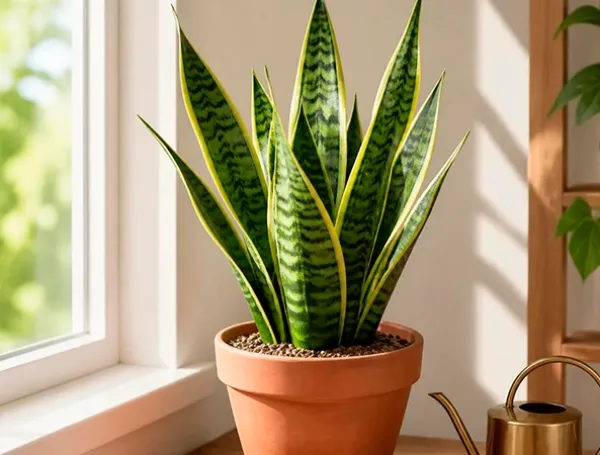
The snake plant’s signature coloration—a rich interplay of green and gray-green banding, sometimes edged with bright yellow margins—is its trademark. However, when the core green tissue starts fading into a sickly, uniform yellow, it indicates that the plant’s physiological processes are under stress.
The primary culprits behind this transformation include:
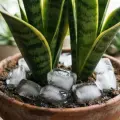
- Excessive Moisture and Poor Drainage: The single most frequent cause of yellowing, limp leaves. Because snake plants store water in their thick, fleshy leaves and rhizomes, overwatering leads rapidly to root suffocation and fungal decay.
- Light Imbalances: Extreme darkness halts photosynthesis and stunts development, while sudden, harsh, direct sunlight scorches the foliage, leaving bleached or yellow patches.
- Temperature Fluctuations: Exposure to cold drafts, air conditioning units, or sudden heat spikes shocks the plant’s cellular structure.
- Nutrient and Soil Exhaustion: Compacted soil that fails to aerate or retain structural integrity can choke root systems over time.
Horticultural analysts stress that understanding these triggers is essential for preventative care, transforming what looks like a dying plant into a thriving green specimen once more.
Chronology: The Progressive Stages of Plant Decline
To effectively reverse damage, an attentive gardener must recognize the chronological stages of how environmental stress manifests in a snake plant.
Phase 1: The Invisible Stress (Weeks 1–2)
At the onset of an environmental stressor—such as being placed in a room with zero natural light or receiving too much water—the snake plant does not immediately show visible symptoms. Internally, however, the root system begins to experience distress. In cases of overwatering, microscopic root hairs are deprived of oxygen as water displaces air pockets in the soil.
Phase 2: Loss of Turgor and Subtle Discoloration (Weeks 3–4)
As the stress continues, the physical structure of the plant begins to shift. The base of the leaves near the soil line may start to feel slightly soft or spongy to the touch. The vibrant green hue begins to dull, occasionally taking on a pale, washed-out yellow tint, particularly at the lower, older sections of the plant.
Phase 3: Systemic Breakdown and Rot (Month 2 and Beyond)
If intervention does not occur, the damage becomes systemic. Roots begin to rot, turning brown, mushy, and emitting a damp, earthy odor. The yellowing spreads upward from the base, and leaves may fold over or snap under their own weight. At this stage, the plant is fighting for survival against anaerobic pathogens that thrive in soggy soil conditions.
Supporting Data and Botanical Insights
Botanical research highlights the unique physiology of the Sansevieria family (recently reclassified under the genus Dracaena). Unlike tropical houseplants that demand consistent moisture, snake plants are native to the arid regions of tropical West Africa, stretching from Nigeria to the Congo.
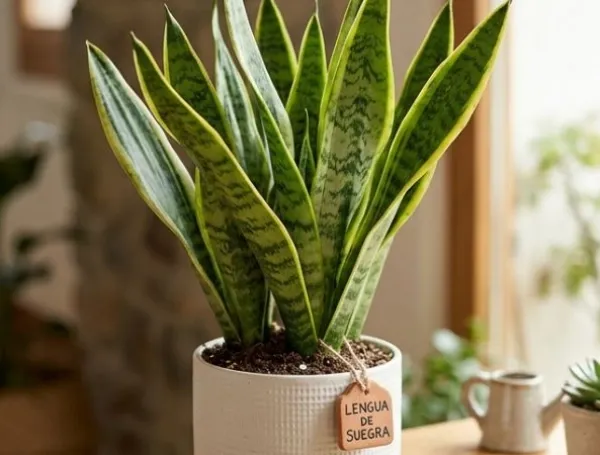
- CAM Photosynthesis: Snake plants utilize Crassulacean Acid Metabolism (CAM), an adaptation that allows them to open their stomata at night to minimize water loss. This means their metabolic processes are finely tuned to dry conditions.
- Water Storage Capacity: Their succulent leaves are specialized storage tanks. In a healthy environment, a snake plant can go weeks—sometimes months—without a drop of water, relying entirely on the moisture locked inside its cellular matrix.
- The "Finger Test" and Low-Tech Diagnostics: Professional gardeners widely recommend simple, analog diagnostics over complex machinery. For instance, many horticulturists advocate for the wooden chopstick or skewer test. By plunging a plain wooden stick deep into the pot’s substrate and leaving it for a few seconds, growers can pull it out to inspect for moisture. If damp soil or clinging wet particles adhere to the wood, watering must be delayed—a method praised for preventing root rot before it starts.
Official Responses and Expert Recommendations
Leading plant nurseries, botanical gardens, and agricultural extension offices have unified their guidelines regarding the rehabilitation of distressed snake plants. Rather than relying on guesswork, experts recommend a systematic approach to diagnosis and recovery.
1. The Moisture Assessment
If a snake plant displays yellow leaves, the first step is to evaluate the substrate. Experts suggest gently removing the plant from its container to inspect the root ball. Healthy roots are firm, white, or light yellow, and tightly bound. Unhealthy roots are dark, black, stringy, and fragile.

2. Surgical Intervention for Root Rot
When root rot is identified as the source of the yellowing, immediate surgical intervention is required:
- Using a pair of sharp pruning shears or scissors, thoroughly sterilize the blades with rubbing alcohol or a bleach solution to prevent spreading pathogens.
- Trim away all mushy, black, or decaying roots until only firm, healthy tissue remains.
- Allow the remaining root system to dry and callus over for a few hours in a shaded, well-ventilated area before replanting.
3. Repotting in Proper Substrate
Move the recovered plant into a fresh, fast-draining potting mix specifically formulated for cacti and succulents. Ensure the new pot—preferably made of unglazed terracotta, which allows excess moisture to evaporate through its walls—features adequate drainage holes at the base.

4. Pruning Damaged Foliage
Leaves that have turned entirely yellow, translucent, or mushy cannot revert to green; their cellular structure is permanently dead. These should be cut off cleanly at the base using sterilized tools. However, if a leaf is only partially yellow or damaged at the tip, experts advise leaving the green portions intact, as they can still photosynthesize and support the plant’s recovery.
Implications: The Broader Impact of Indoor Plant Care
The rising popularity of urban indoor gardening carries profound implications for mental health, indoor air quality, and sustainable living practices. Houseplants like the snake plant are no longer viewed merely as passive decor; they are recognized as active contributors to domestic well-being, known to reduce stress, boost productivity, and filter indoor pollutants such as formaldehyde and benzene.

However, the psychological connection humans build with their flora means that plant decline can often cause genuine distress for owners. Understanding the mechanics behind a yellowing snake plant shifts the paradigm from anxious, over-attentive micro-management to intuitive, science-backed care.
By respecting the plant’s evolutionary origins—honoring its need for restraint in watering, balanced indirect lighting, and porous, breathable soil—owners can ensure that their Sansevieria lives up to its legendary reputation for resilience. Ultimately, mastering the care of a snake plant is a masterclass in patience: a reminder that sometimes, in both gardening and life, doing less yields vastly superior results.