By Editorial Desk
October 27, 2026
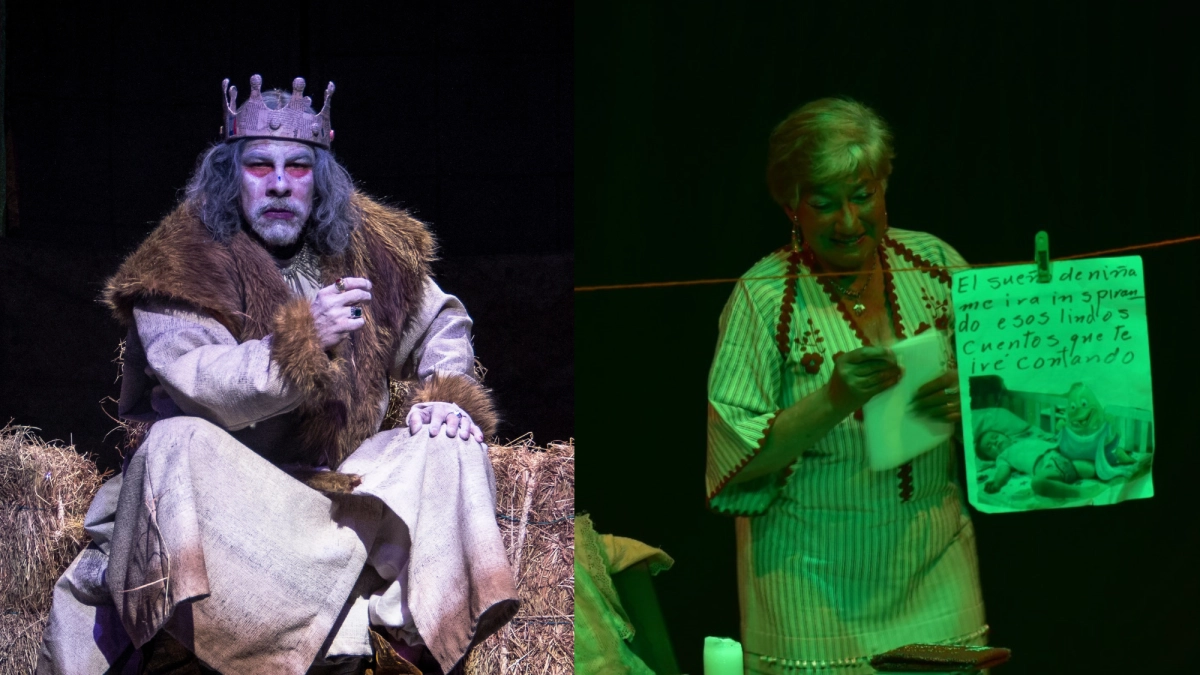
In a significant move to recognize the profound impact of artistic and social labor on the urban fabric, the city of Bogotá has bestowed its prestigious "Vida y Obra" (Life and Work) Award for 2026 upon two distinct pillars of the capital’s cultural scene. Breaking with tradition, the committee opted to expand the recognition from a single recipient to two, honoring Misael Torres in the category of Artistic Life and Work, and Margarita Ramírez for her contributions to Cultural Management. Each laureate will receive an incentive of $70 million, a financial recognition of decades spent shaping the identity, resilience, and creative spirit of the city.
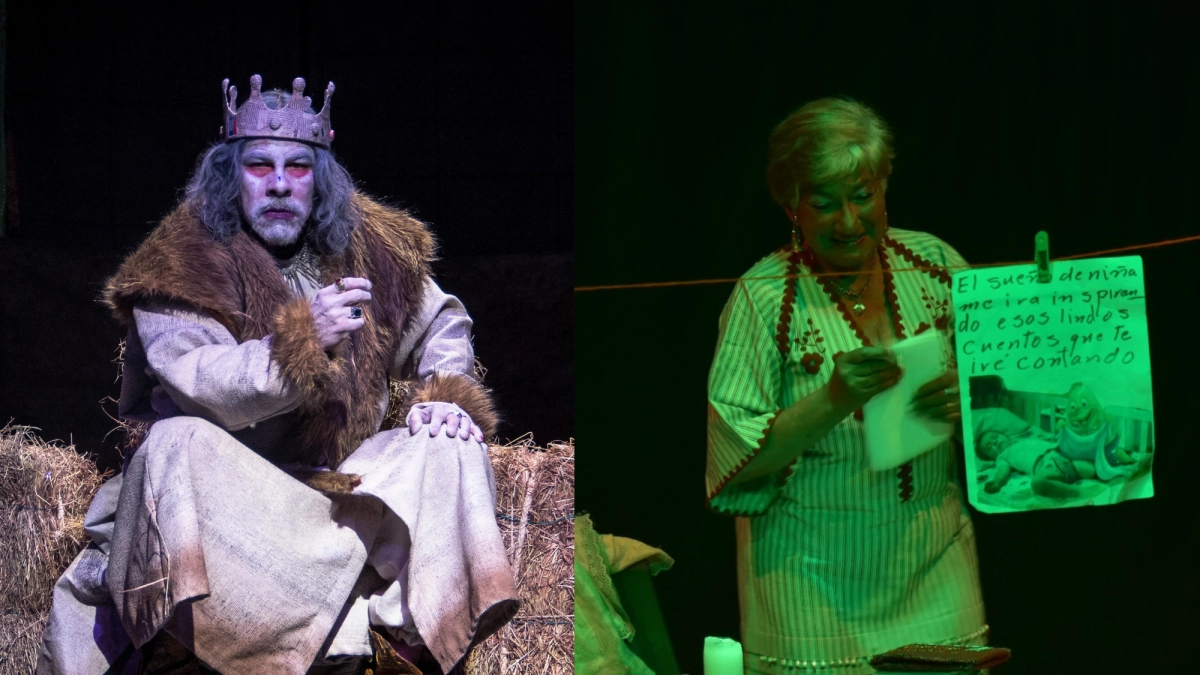
The dual recognition reflects a broader institutional acknowledgment: that culture is not merely produced on stages, but is also forged in the community centers, neighborhood associations, and the grassroots efforts that define life in Bogotá’s most challenging and vibrant districts.
The Visionary of the "Festive Actor"
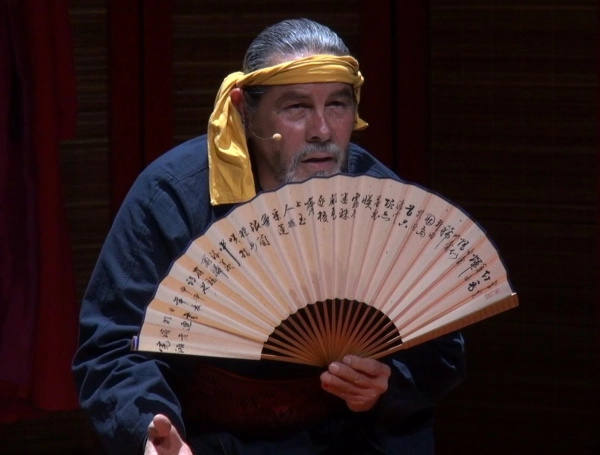
Misael Torres, born in Girardot in 1952, represents a lifetime dedicated to the interrogation of the human condition through the lens of performance. His journey, spanning over five decades, began in 1972 at the legendary Teatro La Mama. Under the mentorship of the late, great Santiago García at the National School of Dramatic Art, Torres developed a rigor that would later define his experimental approach to theater.

A Chronology of Artistic Evolution
- 1972–1980: Foundational years at Teatro La Mama, where he honed his skills as an actor and director.
- 1979: Founded the Nuevo Teatro de Pantomima, Colombia’s first dedicated mime company, which served as a vessel for his work to reach audiences across Europe and the United States.
- 1984: Co-founded El Ensamblaje with Juan Carlos Moyano, a pivotal project that blurred the lines between theater, happenings, and community ritual.
- 2000s–Present: Developed the "Actor Festivo" methodology, a pedagogical and artistic framework rooted in the mestizo and hybrid forms of Latin American performance.
Torres’s work is characterized by its resistance to "canned" theater. He has spent years traversing the Colombian landscape, documenting the festive traditions, local characters, and vernacular celebrations that form the backbone of national identity. His seminal method, The Four Keys of the Festive Actor, provides a blueprint for contemporary performers to reclaim the street as a sacred space for dramatic creation. For Torres, the theater is a living, breathing organism that must be rooted in the collective memory of the populace.
Ciudad Bolívar: The Crucible of Cultural Resistance
If Misael Torres represents the evolution of the stage, Margarita Ramírez represents the evolution of the community. Her career, deeply entrenched in the social topography of Ciudad Bolívar, serves as a testament to the power of art as a tool for political and social emancipation.
Since the early 1990s, Ramírez has been a quiet but relentless force in the transformation of one of Bogotá’s most vulnerable localities. Her work has focused on the intersection of civic participation, gender equality, and the pedagogical potential of the arts.
Key Milestones in Community Management
- 1994: Elected as a territorial councilor, setting the stage for years of advocacy in participatory planning and public investment oversight.
- 1998–2000: Continued her mandate as a councilor, focusing on the defense of social spending during periods of extreme fiscal austerity.
- 1990s–2000s: Spearheaded the Movimiento de Mujeres de Ciudad Bolívar, helping establish a network of organizations that provided a voice to women in a patriarchal and high-conflict environment.
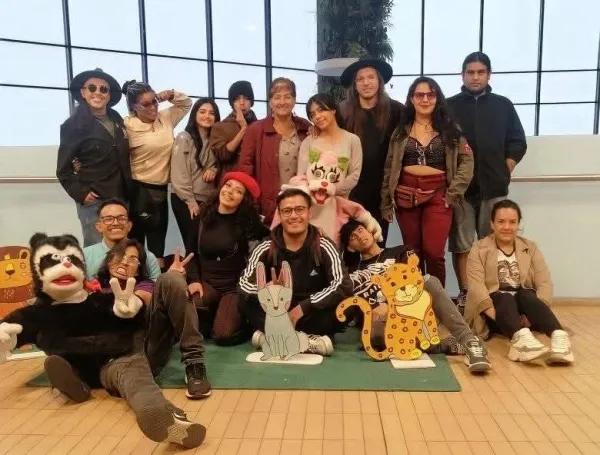
- Project "Sueños Juveniles": Created an interdisciplinary program that integrated puppetry, literature, music, and mime, eventually leading to the formation of the Colectivo Huitaca. Under her guidance, this collective took the artistic spirit of the periphery to international stages, including a historic performance in Beijing.
Ramírez’s approach is fundamentally about "territorializing" culture. By establishing the Mi Pequeño Refugio daycare center and engaging with the District System of Art, Culture, and Heritage, she has demonstrated that the most effective cultural management often occurs far from the spotlights of downtown theaters.
Supporting Data: Why This Recognition Matters
The decision to award $70 million to each recipient is more than a financial gesture; it is an economic validation of "intangible labor." In the cultural sector, decades of work often go uncompensated by traditional market forces.
According to the Bogotá Secretary of Culture, the shift to two awards in 2026 acknowledges that the "life and work" of a city are comprised of two distinct but complementary currents: the Artistic Legacy (Torres), which preserves and reinterprets our cultural heritage, and the Social Legacy (Ramírez), which creates the conditions under which that culture can be practiced and enjoyed by marginalized populations.

By investing in these individuals, the city is signaling a pivot toward supporting long-term, sustainable cultural development rather than ephemeral projects. Both recipients have spent their lives building systems—Torres through his pedagogical methodologies and Ramírez through her community networks—that will persist long after they have stepped back from their roles.
Official Responses and Institutional Significance
In an official statement, the Bogotá Secretary of Culture emphasized that the selection committee faced an unprecedented challenge. "We are no longer looking at just the aesthetic value of a body of work," the statement noted. "We are looking at the ‘social capital’ generated by these individuals. Whether through the stage or the community center, both Misael and Margarita have expanded the borders of what we consider ‘culture’ in Bogotá."

Critics and academics have praised the decision, noting that it highlights the "non-formal" sector of the arts. As one cultural historian remarked, "For too long, the ‘Life and Work’ awards prioritized academic or commercial success. By choosing Ramírez, the city finally acknowledges that the community organizer is, in fact, an artist of the social fabric."
Implications: A New Era for Cultural Recognition
The 2026 Life and Work Awards set a new precedent for how the capital will honor its cultural heroes. Moving forward, the framework for these awards will likely continue to reflect a dual mandate:

- Professionalization vs. Grassroots: The awards now create a balance between high-art mastery and community-based impact.
- Geographic Equity: By recognizing work in Ciudad Bolívar, the administration is pushing back against the centralization of the arts in the northern and historic districts of the city.
- Methodological Preservation: With Misael Torres, the city secures the documentation of his "Actor Festivo" method, ensuring that his five decades of research remain accessible to future generations of Colombian theater students.
Conclusion
The stories of Misael Torres and Margarita Ramírez are fundamentally stories of endurance. In a city as complex and often chaotic as Bogotá, they have managed to hold onto a vision of what is possible when the arts are treated as a fundamental human right. As they receive their awards, the message is clear: the history of Bogotá is not just found in its archives, but in the streets of Ciudad Bolívar and the experimental stages where the "Festive Actor" performs.
This recognition ensures that their influence will continue to ripple through the city’s cultural veins for years to come, proving that whether on the boards or in the streets, the work of a lifetime is the bedrock upon which the future of the city is built.