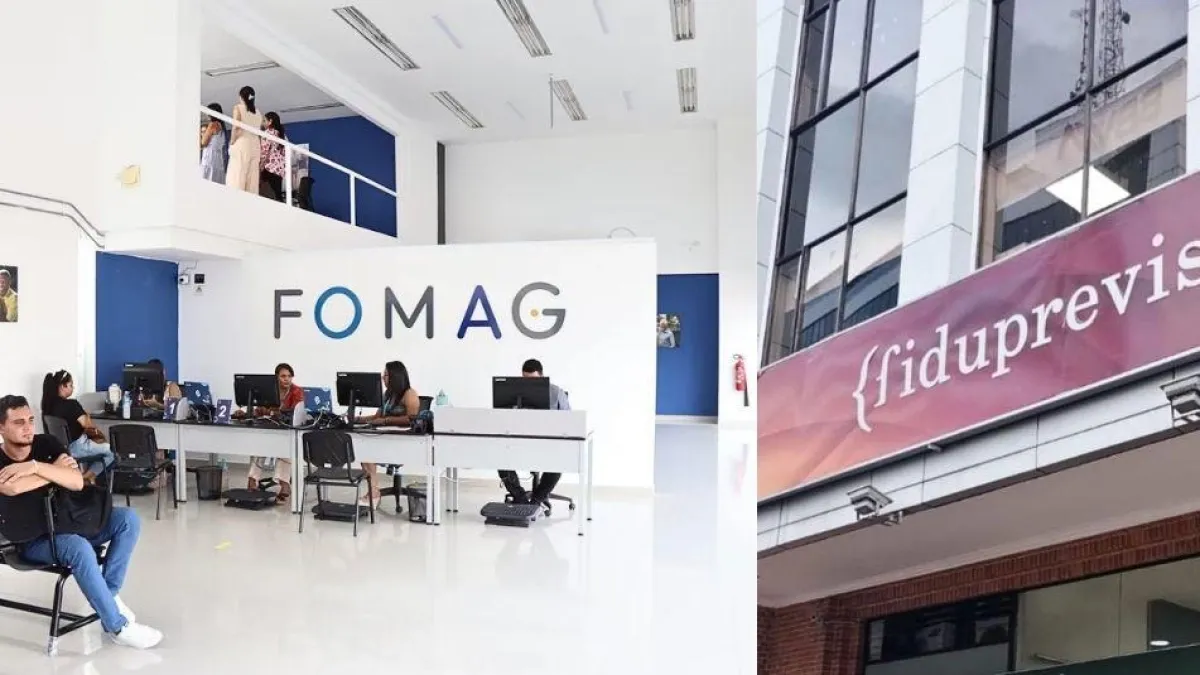
The health service model for Colombia’s public school teachers, once considered a specialized bastion of the national welfare system, is currently facing a catastrophic administrative and financial collapse. According to a formal report presented to the Seventh Commission of the Colombian Senate by the National Superintendency of Health (Supersalud), the Fondo Nacional de Prestaciones Sociales del Magisterio (Fomag) is mired in a multi-trillion peso debt crisis, characterized by a complete breakdown in contractual formalization and an alarming escalation of patient grievances.
The gravity of the situation cannot be overstated: the entity responsible for the well-being of over 820,000 affiliates—including teachers and their families—is operating in a state of administrative paralysis that threatens the fundamental right to health for a significant portion of the country’s population.
The Financial Abyss: 2.4 Trillion Pesos in Debt
The primary revelation brought to the Senate by the Superintendent of Health, María Andrea Godoy, was the staggering figure of 2.4 trillion pesos in outstanding accounts payable by Fomag. This debt covers essential medical services, supplies, and life-saving medications.
However, the headline figure masks a more sinister reality: liquidity stagnation. As of June 30, 2026, 51 percent of this total liability—amounting to 1.24 trillion pesos—has been classified as "critical debt," meaning these payments have been in arrears for more than 180 days. For the clinical and hospital providers that form the backbone of the system, this represents half a year of unpaid invoices, leading to the predictable suspension of services and the degradation of care quality.

The absurdity of the situation is compounded by the lack of legal architecture supporting the network. Despite having 3,934 registered health service providers across the country, the Superintendency discovered that, as of October 2026, only a single contract has been fully legalized. This means that the vast majority of the 820,000 beneficiaries are being attended to by a network that lacks formal, enforceable legal agreements with the fund, creating a precarious "wild west" environment for patient billing and service delivery.
A Chronology of Failure: From Reform to Reality
To understand how a system serving such a vital demographic reached this point, one must look back at the radical shift initiated in May 2024.

The 2024 Pivot
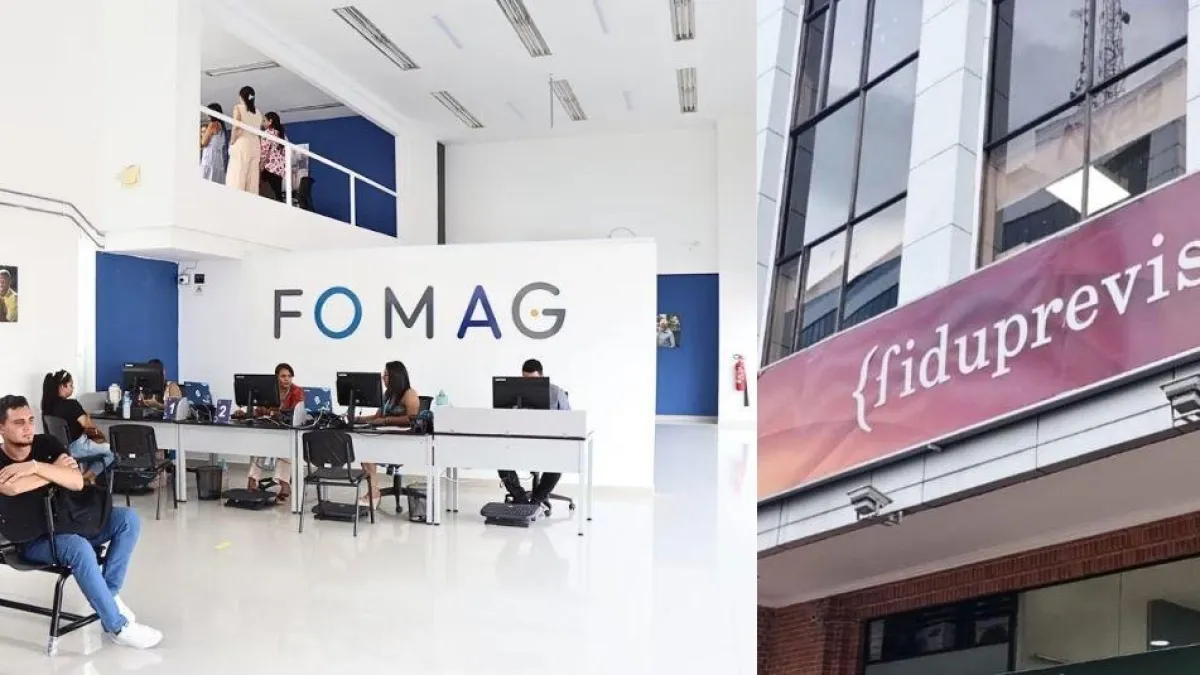
Under the administration of President Gustavo Petro, the government decided to dismantle the previous model, which relied on nine private contractors to manage health services. The administration argued that these intermediaries were inefficient and corrupt. In their place, the Fiduprevisora—a state-mixed entity under the Ministry of Finance—was designated as the sole payer and administrator of the system. The intent was to eliminate middlemen and streamline the delivery of care.
The Pilot Program That Stalled
The new model was touted as a "pilot" for the government’s broader national healthcare reform. However, by mid-2025, the model began to show deep structural fissures. Users reported increased administrative hurdles, service interruptions, and a decline in the availability of specialists. Major hospital networks, facing the lack of payment from the new central authority, began terminating contracts unilaterally.

2026: The Year of Oversight
Throughout 2026, the situation transitioned from operational inefficiency to a state-wide scandal. Nine separate audits conducted by the Superintendency between 2024 and 2026 culminated in a report released in May 2026, detailing 38 critical findings related to financial management, health risk management, and information systems. By August 2026, the volume of complaints reached a fever pitch, with over 4,000 Petitions, Complaints, Claims, and Denunciations (PQRD) filed in a single month—an average of one complaint for every 200 users.
Data Analysis: The Paradox of Higher Spending
One of the most damning aspects of the current crisis is the disconnect between funding and results. Financial records indicate that the costs of operating the teachers’ health system skyrocketed from 2.39 trillion pesos in 2023 to 4.85 trillion pesos in 2025—effectively doubling the cost while the number of affiliated users actually decreased.

Furthermore, the government continues to allocate a "UPC" (the per-capita payment for health coverage) to the Fomag that is 46.36 percent higher than the standard rate for the rest of the Colombian population. Despite receiving significantly more resources per person than the average citizen, the providers within the Fomag network are not being paid.
This leads to the question of where the money is going. The Comptroller General’s Office (Contraloría) has issued a warning regarding payments totaling 4.4 trillion pesos made to health providers for which there is zero documentary support. When combined with the 2.4 trillion in debt and the 2.7 trillion deficit projected for 2026, the system faces a total financial black hole exceeding 9 trillion pesos in potential mismanagement or lack of oversight.

Official Responses and the "Forensic" Audit
The government’s response has been reactive, characterized by emergency budget transfers rather than structural solutions. In early October 2026, the Fomag Board of Directors—comprised of the Ministers of Education, Finance, and Labor—approved the transfer of 859 billion pesos from the pension fund to the health budget. While the Minister of Education, Ilva Myriam Hoyos, defended this as a necessary measure to prevent the collapse of care for 330,000 teachers, she acknowledged that this covers only a fraction of the 2.7 trillion peso deficit.
The Call for Accountability
Minister Hoyos has been vocal in her criticism of the legacy of the 2024 model, labeling the system a failure that has actively violated the fundamental rights of educators. She has formally requested that the President initiate a "forensic audit" to uncover what she termed a "potential chain of corruption" surrounding the Fund.

The Ministry of Education has also taken the unprecedented step of filing seven separate lawsuits (tutelas) against the previous administration of the Fiduprevisora to force the release of contractual information that has been withheld. "We cannot continue to patch holes with emergency resources every month," noted the Minister of Labor, Natalia López Fuentes, highlighting the unsustainability of the current strategy.
Long-term Implications: A System at the Brink
The implications of this crisis are profound, affecting not just the financial stability of the state, but the physical health of the teaching force.

- Systemic Risk: The "single contract" situation implies that if the sole legal relationship is disrupted, the entire healthcare provision for 820,000 people could theoretically cease overnight.
- Institutional Credibility: The findings of the Comptroller and the Superintendency have severely damaged the credibility of the Fiduprevisora. The inability to justify 4.4 trillion pesos in payments suggests that the administrative controls necessary to manage a fund of this size were either deliberately bypassed or functionally non-existent.
- Political Fallout: As the administration of President Abelardo De la Espriella seeks to navigate this crisis, the Fomag has become a symbol of the dangers of centralized, state-managed healthcare models that lack transparency. With a new board meeting scheduled for October 30, the government is under immense pressure from Fecode (the teachers’ union) and civil society to provide a definitive roadmap for recovery.
In conclusion, the Fomag is currently a microcosm of the challenges facing the Colombian healthcare sector. The combination of a high-budget, low-oversight environment has allowed for a level of fiscal irresponsibility that is now threatening the livelihoods of those who educate the next generation. Unless the upcoming forensic audit and the subsequent administrative overhaul can identify the root of the "missing" trillions, the system faces a total, irreparable collapse. The coming months will be a test of whether the current administration can prioritize the health of the teachers over the bureaucratic inertia that has brought the fund to its knees.