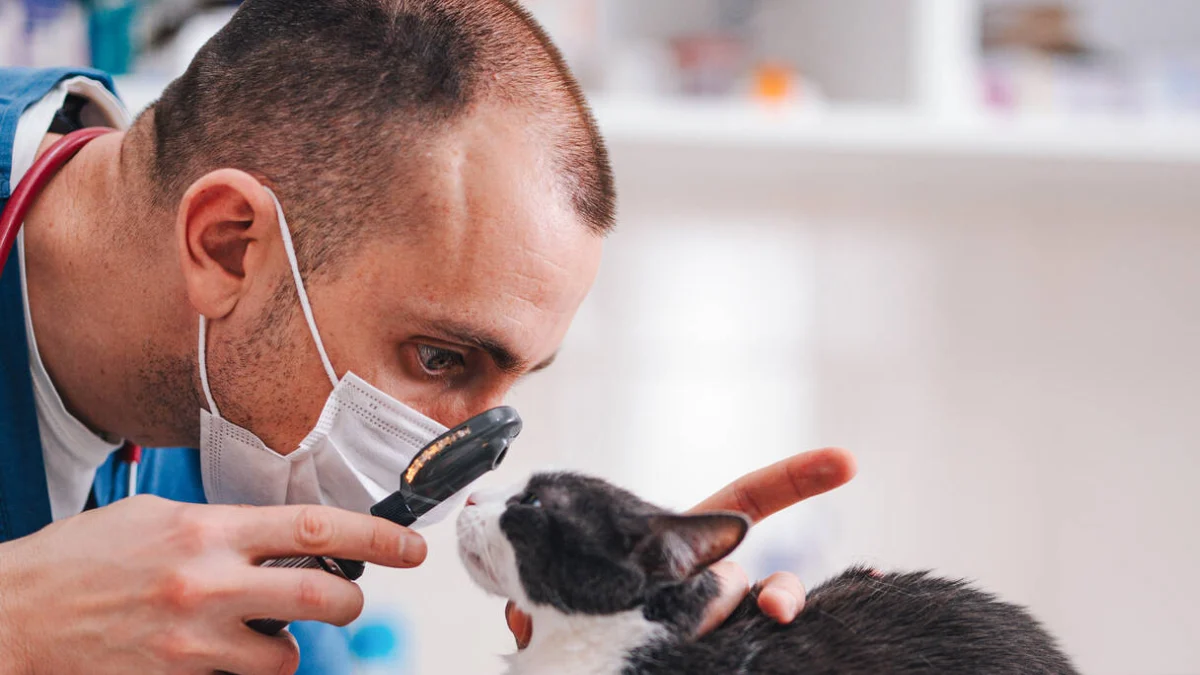
Caring for a domestic companion animal extends far beyond providing daily meals, regular exercise, and routine vaccinations. As human-animal interactions grow increasingly intimate in modern urban households, veterinary medicine and public health experts are placing a renewed emphasis on a critical yet often overlooked aspect of pet ownership: the prevention and transmission of zoonotic diseases.
Zoonoses—pathogens capable of naturally transmitting from animals to humans—form the bedrock of the globally recognized "One Health" framework. First coined in 2004 by the Wildlife Conservation Society, this concept underscores a fundamental truth: human health, animal welfare, and ecological integrity are inextricably linked.
While viral threats such as rabies and various gastrointestinal parasites have long dominated public awareness, bacterial pathogens like Leptospira and Brucella present persistent, evolving risks that demand heightened vigilance from pet owners, veterinarians, and public health authorities alike.

Main Facts: What Are Leptospira and Brucella?
To effectively mitigate the risks associated with zoonotic diseases, pet owners must understand the nature of the microscopic threats lurking in everyday environments.
Leptospira: The Spiral-Shaped Threat
Leptospira is a genus of motile, microscopic, spiral-shaped bacteria known as spirochetes. These pathogens are capable of infecting a wide spectrum of hosts, including domestic dogs, livestock, wild rodents, and humans.
- Transmission Cycle: The infection cycle typically begins when an infected animal eliminates the bacteria through its urine, contaminating surface water, moist soil, mud, and vegetation. Domestic dogs frequently contract the bacteria while walking through urban parks, puddles, or green spaces where rodents have left contaminated urine.
- Impact on Animals: Once infected, dogs can suffer severe damage to their kidneys and liver, alongside hematologic (blood) and pulmonary complications.
- Impact on Humans: In people, early-stage leptospirosis symptoms frequently mimic common respiratory infections—featuring high fever, severe headaches, myalgia (muscle aches), and generalized malaise. If left untreated, the disease advances rapidly, potentially leading to multi-organ failure affecting the kidneys, liver, lungs, and central nervous system.
Brucella: The Reproductive Pathogen
Unlike Leptospira, Brucella bacteria exhibit a distinct biological affinity for reproductive tissues. While primarily affecting cattle, sheep, goats, and swine, the bacteria can also infect canines.

- Transmission Cycle: Animals typically contract Brucella through direct contact with infected bodily fluids, such as blood, semen, vaginal secretions, or birthing byproducts like placenta and amniotic fluid. Crucially, infected animals may remain asymptomatic for extended periods, shedding the bacteria without showing outward signs of illness.
- Impact on Animals: In canines and livestock, brucellosis manifests primarily as reproductive failure. Symptoms include infertility, spontaneous abortions, the birth of weak puppies or calves, and orchitis (inflammation of the testicles) in males.
- Impact on Humans: Human infection via canine contact is relatively rare but carries significant clinical manifestations. Patients experience recurring fevers, profuse sweating, chronic fatigue, muscle and joint pain, severe headaches, and debilitating general malaise.
Chronology and Evolution of the "One Health" Paradigm
The awareness surrounding zoonotic transmission and shared ecological health has evolved significantly over the past two decades:
- Pre-2004: Veterinary and human medicine operated largely in silos. Zoonotic diseases were primarily studied reactively during localized outbreaks (such as rabies or rural brucellosis flare-ups), with minimal focus on the interconnectedness of urban wildlife, domestic pets, and human populations.
- 2004 (The Birth of "One Health"): The Wildlife Conservation Society formally introduced the "One Health" concept, establishing a multidisciplinary approach recognizing that human health cannot be safeguarded without accounting for animal health and environmental stability.
- 2010s (Urbanization of Zoonoses): As cities expanded and pet humanization trends accelerated (with pets increasingly sleeping in human beds and sharing living spaces), veterinary epidemiologists noted a shift in zoonotic disease patterns. Diseases once considered strictly rural—such as leptospirosis—began appearing with higher frequency in urban and suburban centers due to thriving rodent populations.
- 2024–2026 (Recent Escalation and Official Tracking): Public health institutions in regions like Colombia began documenting measurable increases in human and canine cases. Concurrently, veterinary boards began issuing urgent warnings regarding modern pet care practices, such as raw-food diets, which heighten the risk of introducing bacterial pathogens directly into domestic environments.
Supporting Data: The Reality in Colombia
While many pet owners assume zoonotic risks are confined to rural agricultural settings, empirical data from health institutions paints a starkly different picture of urban vulnerability.
Human Case Trends (Leptospirosis)
According to data compiled by the National Institute of Health (INS) in Colombia, human leptospirosis cases have shown a steady upward trajectory:

- 2024: The INS confirmed 233 cases of leptospirosis nationwide.
- 2025: Confirmed cases surged to 299, with several instances resulting in patient fatalities due to delayed diagnosis or advanced multi-organ complications.
Canine and Human Metrics (Brucellosis)
The surveillance of Brucella presents an even more complex challenge due to underreporting and symptom overlap with other infectious diseases.
- Urban Outbreaks: Despite the lack of comprehensive national epidemiological studies tracking baseline disease prevalence in domestic animals, the Secretariat of Health of Bogota reported 26 confirmed cases of canine brucellosis in the capital city alone during the early months of 2026.
- Human Spillover: Concurrently, the INS has registered sporadic human cases stemming from domestic animal exposure, signaling an urgent need for rigorous veterinary tracking.
Official Responses and Expert Warnings
Medical and veterinary authorities are increasingly vocal about the widening gap between perceived pet safety and biological reality.
The American College of Veterinary Internal Medicine (ACVIM)
The ACVIM has formally issued comprehensive warnings directed at pet owners and clinical veterinarians alike. Experts emphasize that the risk profile extends far beyond large, working farm dogs. Particular caution must be exercised regarding:

- Small-breed dogs: Often carried or allowed closer physical contact with human faces and mucosal entry points.
- Urban-dwelling pets: Animals residing exclusively in concrete environments are still exposed to urban rodent vectors during walks.
- Vulnerable cohorts: Puppies with immature immune systems and geriatric dogs with declining physiological reserves face heightened susceptibility and severe clinical outcomes.
The Myth of Rural Exclusivity
A prevalent misconception among pet guardians is that indoor-only pets or urban dogs are entirely safe from environmental pathogens. However, public health officials stress two major urban risk factors:
- The Rodent Vector: Urban centers feature dense rodent populations that inhabit parks, drainage systems, and alleyways. These rodents constantly shed Leptospira into puddles, standing water, and moist soil, transforming routine neighborhood dog walks into exposure events.
- Raw Diets (BARF Diets): The rising popularity of feeding dogs raw meat diets—derived from cattle, sheep, or goats—introduces a direct vector for bacterial transmission. If the meat originates from herds inadequately screened for pathogens like Brucella, both the pet and the human handler handling the raw food face direct infection risks.
Implications for Public Health and Pet Guardianship
The intersection of human and animal medicine demands a structural shift in how society approaches preventive care.
1. Reforming Veterinary Surveillance
The current lack of systematic, nationwide screening for zoonotic pathogens in domestic pets leaves a dangerous blind spot in public health policy. Establishing mandatory reporting protocols for veterinary clinics—similar to human epidemiological tracking—is essential for mapping outbreaks before they spill over into human populations.

2. Redefining "Responsible Pet Ownership"
Modern pet ownership must transcend basic feeding and grooming. Guardians need thorough education regarding:
- Environmental hygiene: Avoiding stagnant water during walks, preventing dogs from drinking from puddles, and managing rodent control around residential properties.
- Dietary safety: Exercising extreme caution with raw meat diets and ensuring commercial or homemade pet foods adhere to strict sanitary and sourcing standards.
- Routine veterinary check-ups: Prioritizing diagnostic screenings during regular wellness visits, particularly for breeding animals or pets exhibiting vague, flu-like symptoms.
3. Collaborative Medical Practice
Medical doctors and veterinarians must bridge the communication gap. When a human patient presents with unexplained fever, myalgia, or hepatic dysfunction, human healthcare providers should routinely inquire about household pets and animal exposures. Conversely, veterinarians diagnosing canine leptospirosis or brucellosis must advise human household members to consult physicians promptly.
By embracing the principles of "One Health," communities can better navigate the delicate balance of sharing our homes and cities with companion animals, ensuring that the human-animal bond remains a source of mutual well-being rather than unmitigated health risk.