By José Carlos García R.
Multimedia Editor
For years, the smart home market has resembled the Wild West. It has been characterized by a disjointed collection of devices for different functions, manufactured by competing brands, each requiring its own dedicated app and proprietary standards. This fragmented landscape has made achieving a truly unified and interoperable "ecosystem" a frustrating challenge for consumers.
Amidst this digital chaos, Apple has officially entered the fray. In a surprising pivot from its historically closed-garden approach, the tech giant is making its move into home automation not by working entirely in isolation, but by forging unprecedented alliances with major hardware manufacturers.
The strategy is clear: bring order to the smart home, leverage the ubiquity of the iPhone, and expand Apple’s sprawling empire of services and hardware into domestic spaces worldwide.
Main Facts: What Is Apple ‘Home Collection’?
On October 13, Apple announced "Home Collection," a curated line of home automation accessories—including security cameras, smart locks, and climate control systems—designed and manufactured in strategic collaboration with industry heavyweights LG Electronics and Schneider Electric.
This hardware partnership is complemented by three proprietary Apple devices:

- HomePod: The foundational smart speaker for audio and voice interactions.
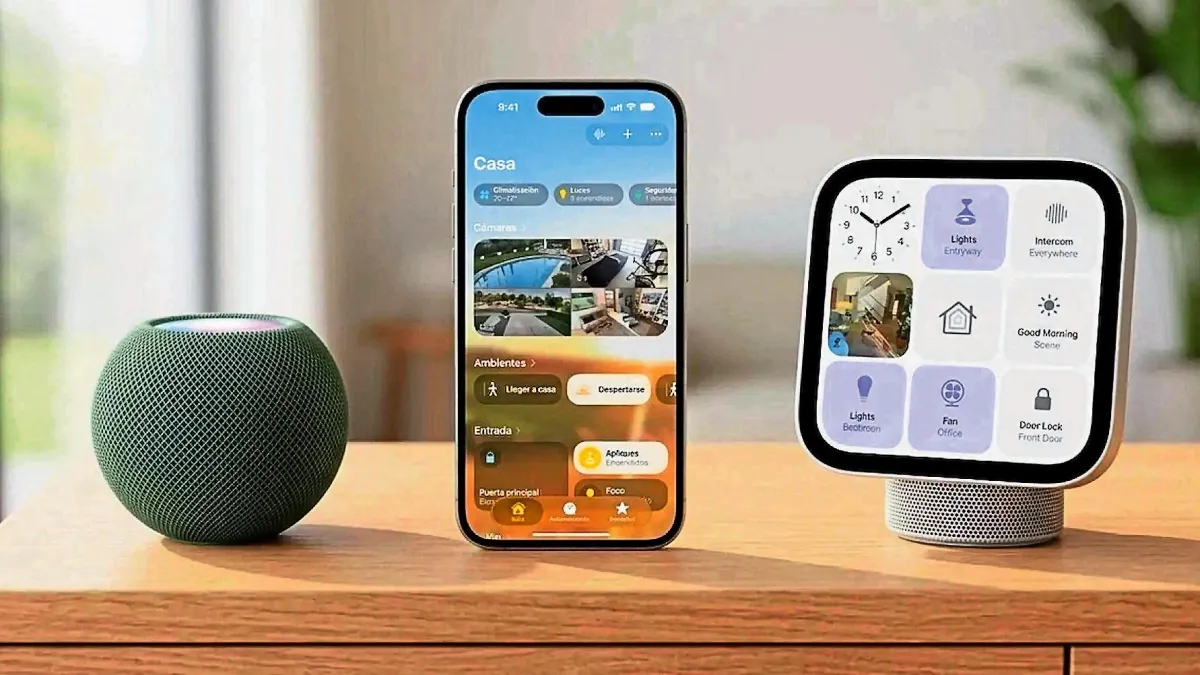
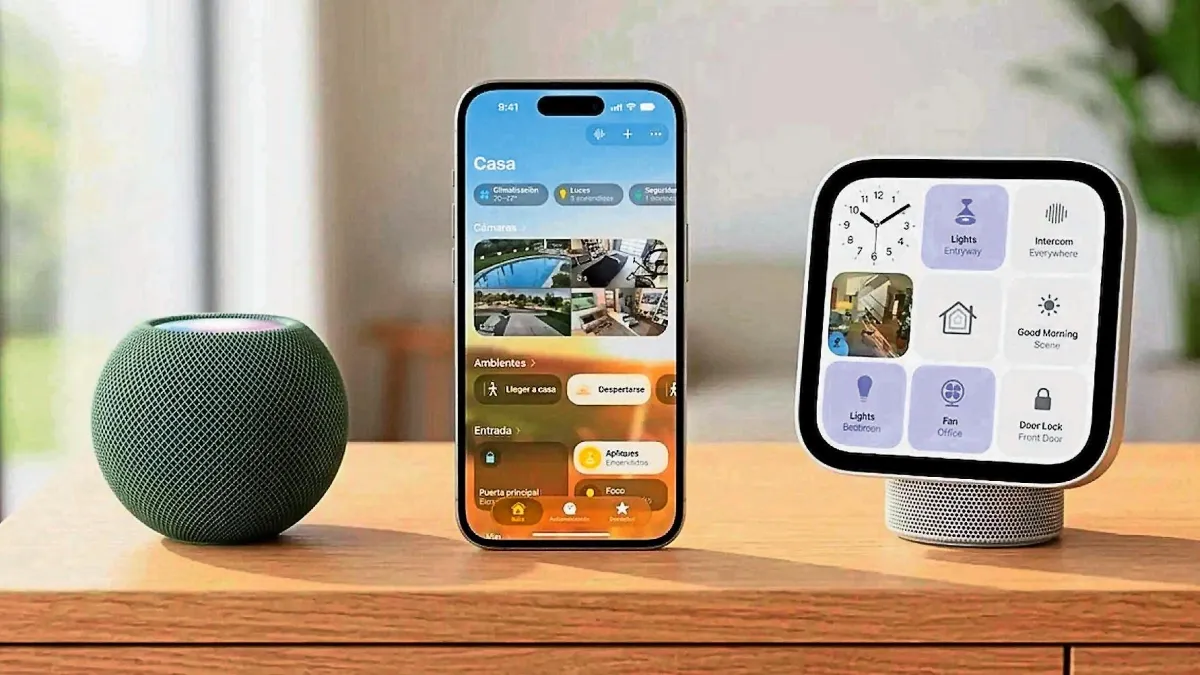
- HomeView: A dedicated central control hub for the home.
- Apple TV: A redesigned version serving as an additional entertainment and processing anchor.
The cornerstone of this rollout is seamless integration. Apple promises to transfer one of its most celebrated brand attributes to the smart home sector: effortless connection, control, and configuration via a single tap. Everything is managed through the native ‘Casa’ (Home) app, which comes pre-installed on the new HomeView hub and is already standard across iPhones, iPads, MacBooks, and Apple TVs. This ensures absolute interoperability between Apple’s proprietary hardware and the new third-party devices.
However, entering this space means stepping onto a battlefield already dominated by entrenched rivals. Amazon and Google have fought an intense war for years using their respective voice assistants—Alexa and Gemini—to command a wide array of third-party smart home appliances, cameras, and sensors. Other legacy brands like Siemens, TP-Link, and Philips have spent decades cementing their market footprints.
Rather than engaging in a direct feature-by-feature war with these giants, Apple is playing a different game. Home Collection is designed to expand Apple’s footprint in services, content, and hardware by leaning on its ultimate competitive advantage: the iPhone.
Chronology: The Evolution Toward a Unified Ecosystem
- The Fragmented Era (Pre-2024): Consumers faced steep learning curves, managing multiple apps, disparate firmware updates, and complex automation protocols (such as Matter, Thread, and Zigbee) that often required advanced technical knowledge to troubleshoot.
- The Foundation of Interoperability (Late 2024 – 2025): Apple incrementally improved its HomeKit framework, encouraging industry-wide adoption of universal standards while laying the groundwork for deeper hardware integrations.
- October 13, 2026: Apple officially unveils Home Collection, announcing its landmark partnerships with LG Electronics and Schneider Electric, alongside the introduction of the HomeView control hub.
- Late October 2026: The initiative rolls out globally, introducing high-end smart home hardware aimed at simplifying setup and bypassing the traditional "geek-only" barrier to entry.
Supporting Data: Pricing and Product Lineup
While Apple’s pitch centers on simplicity and elegance, the initial hardware lineup is squarely positioned in the high-end luxury tier. The products currently available in the first wave of Home Collection reflect significant investments:
- LG Video Doorbell Wired: Starts at $250 USD (approx. $800,000 COP before local taxes and import fees).
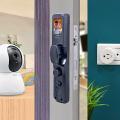
- LG Smart Deadbolt Lock: Priced at $350 USD (approx. $1,117,000 COP).
- Schneider Home Smart Thermostat: Retails for $200 USD (approx. $640,000 COP).
Current Scope of the Home Collection
It is worth noting that Apple’s initial rollout is deliberately constrained. The first wave focuses strictly on three pillars: surveillance, access control, and climate management.
- Cameras: LG Video Doorbell and security systems.
- Temperature Sensors & Climate: Schneider Home Smart Thermostat.
- Access Control: Smart Deadbolt Locks.
- Control Hub: HomeView central display.
- Audio: HomePod integration.
Currently, the collection does not include smart lighting systems, smart plugs, or motorized window blinds. Consumers seeking a total, end-to-end home automation solution for every room will still need to incorporate third-party devices outside of this specific collaborative line.
Official Responses and Strategic Vision
The core philosophy behind Home Collection is not about offering the most complex or technical specifications on the market, but rather offering the most frictionless user experience.
For the average consumer, attempting to install a smart camera, robotic vacuum, deadbolt, or smart plug often results in wasted hours spent creating new accounts, troubleshooting Wi-Fi bands, and pairing stubborn devices. Apple aims to eliminate this friction entirely. With Home Collection, setup requires a simple tap of an iPhone against the device, instantly integrating it into the ‘Casa’ app without the need for auxiliary apps or specialized networking knowledge.
Matthew Costello, Apple’s Vice President of Hardware Engineering, framed the strategy around trust and usability during the official announcement:

"Apple Home Collection hace que sea fácil elegir accesorios de hogar inteligente con confianza. Hemos trabajado codo a codo con LG Electronics y Schneider Electric, empresas líderes del sector, para diseñar accesorios que se integren a la perfección con la app Casa de Apple."
(Translation: "Apple Home Collection makes it easy to choose smart home accessories with confidence. We have worked hand-in-hand with LG Electronics and Schneider Electric, industry-leading companies, to design accessories that integrate seamlessly with Apple’s Home app.")
Industry analysts point out that Costello’s statement highlights a brilliant psychological strategy. Apple is not necessarily claiming its hardware specs outperform every competitor on paper. Instead, it is betting that ease of use and guaranteed ecosystem synergy are more valuable to the average consumer than navigating confusing technical protocols like Matter or Zigbee.
Implications for the Smart Home Market
The arrival of Apple’s Home Collection, backed by LG and Schneider Electric, sends powerful ripple effects across the consumer technology landscape:

1. The Death of Complex Setup
By shifting the barrier to entry from technical configuration to a "one-tap" iPhone setup, Apple is expanding the addressable smart home market. Mainstream users who were previously intimidated by domotics are far more likely to adopt technology that works natively within an interface they already use daily.
2. Pressure on Competitors
Amazon and Google have long relied on voice dominance (Alexa and Google Assistant) to anchor their smart home ecosystems. Apple’s counter-strategy—leveraging the physical dominance of the iPhone hardware base combined with elite manufacturing partnerships—forces competitors to rethink how they deliver hardware reliability and software simplicity.
3. A Shift Toward Brand-Agnostic Collaboration
Apple’s willingness to partner with external giants like LG and Schneider Electric signals a mature evolution in Cupertino. Rather than attempting to manufacture every single household appliance internally, Apple is positioning iOS and the ‘Casa’ app as the definitive operating system of the modern home, letting trusted industrial partners handle specialized heavy-duty hardware.

4. Accessibility and the Premium Tax
The primary hurdle for Apple’s new venture remains pricing. At $250 to $350 per device, Home Collection is a luxury investment. While it guarantees premium build quality and frictionless software integration, it currently prices out budget-conscious consumers who can easily find cheaper, albeit more complicated, alternatives in the broader market.
As Apple expands Home Collection in the coming years, the smart home industry may finally transition out of its "Wild West" phase into a standardized, user-friendly reality—provided consumers are willing to pay the Apple premium for peace of mind.