Political Desk | Exclusive Report Published: October 24, 2026
Main Facts
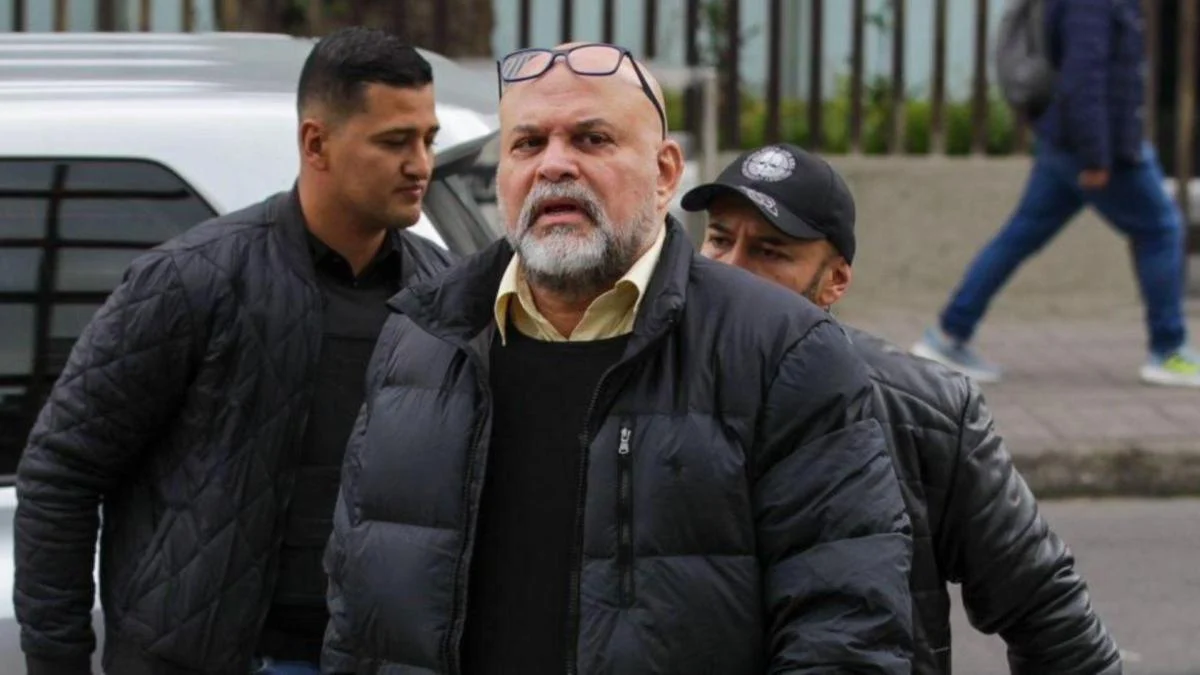
In the midst of the ongoing, complex liquidation process of Colombia’s Ministry of Equality, Jhon Milton Rodríguez—the official tasked with overseeing the winding down of the controversial government entity—has formally filed a criminal complaint with the Prosecutor General’s Office (Fiscalía General de la Nación). The legal action exposes a web of alleged administrative irregularities, potential corruption, and abuse of power pointing directly toward sisters Juliana and Verónica Guerrero.
According to documentation presented by Rodríguez to the investigative authorities, both women allegedly participated in high-level institutional meetings and executive decisions without any legal mandate, official employment contract, or justification to be present. The scandal deepens scrutiny over the administration of President Gustavo Petro, shedding light on what liquidators describe as a parallel exercise of power that bypassed standard bureaucratic transparency and governmental checks and balances.
Juliana Guerrero, who previously faced public backlash and a legal conviction tied to a falsified academic credentials scandal, was reportedly documented acting as an official delegate of the Ministry of the Interior. However, investigators noted that the Ministry of the Interior held no formal role within the corporate governance structure of the Ministry of Equality.
Meanwhile, official records reviewed during the inventory and liquidation process indicate that Verónica Guerrero was designated as an advisor to the director of the "Fund for Equality" (Fondo para la Igualdad). This specific fund served as the primary financial engine and execution route for multi-million-dollar resources allocated to the ministry—resources that are now frozen, audited, and redirected following the legislative decision by the Colombian Congress not to renew the portfolio’s operational lifespan.
Chronology of Events
To understand the gravity of the current legal actions, it is essential to trace the timeline of events that led to the downfall of the Ministry of Equality and the emergence of the Guerrero sisters at the center of institutional decision-making:
Foundation and High Expectations: The Ministry of Equality was established under the administration of President Gustavo Petro with the stated objective of closing historical gaps for vulnerable populations, women, and marginalized communities. From its inception, however, it faced heavy political scrutiny regarding its budget, administrative bloating, and executive appointments.
The Rise of Informal Influence: According to findings from the liquidating team, Juliana and Verónica Guerrero gradually integrated themselves into the operational core of the ministry. Long before any formal, albeit failed, attempts to officially appoint Juliana Guerrero to high-ranking positions—such as Vice Minister of Youth—both sisters allegedly began exerting "de facto" authority.
Active Participation in Governance: Documentation shows the sisters consistently attending sessions of the Board of Directors and strategic planning meetings. During these gatherings, they allegedly issued directives, influenced structural processes, and exercised persuasive leverage over sitting ministers and deputy ministers.
Legislative Dissolution: Facing persistent political opposition, budgetary questions, and administrative bottlenecks, the Colombian Congress ultimately voted against renewing the legal vigencies required for the ministry to continue operating, triggering a mandatory institutional liquidation process.
Appointment of the Liquidator: Jhon Milton Rodríguez was appointed to lead the dismantling, asset recovery, and administrative auditing of the defunct ministry.
The Formal Denunciation (October 2026): Upon uncovering administrative discrepancies and unauthorized presences in governance logs, Rodríguez took public to expose the findings, subsequently filing formal criminal complaints before the Prosecutor General’s Office.
Supporting Data and Context
The allegations brought forward by Jhon Milton Rodríguez are not isolated administrative oversights; they strike at the heart of public asset management and governance protocols in Colombia.
The Fund for Equality: The core financial vulnerability highlighted in the investigation centers on the Fund for Equality. Designed to distribute substantial public funds swiftly, the fund’s management required strict adherence to public contracting laws and corporate governance standards. The presence of Verónica Guerrero—ostensibly acting as an advisor without a clear, verified statutory framework—raises serious legal questions regarding the validity of decisions made concerning these public monies.
Past Controversies: Juliana Guerrero’s inclusion in the portfolio carries heavier baggage. Her prior involvement in a scandal involving falsified university titles creates an immediate conflict of integrity. Investigators are looking closely at how an individual with a documented history of credential falsification managed to infiltrate the highest advisory echelons of a premier state ministry.
Parallel Power Structures: The concept of "poder de facto" (de facto power) highlighted by Rodríguez points to a systemic governance failure. In modern bureaucratic states, informal advisors exercising binding influence over cabinet-level officials undermine legal accountability, making it nearly impossible for oversight entities like the Office of the Attorney General (Procuraduría General de la Nación) or the Comptroller General (Contraloría General de la República) to trace responsibility for questionable policy implementations.
Official Responses and Statements
Public reaction to the unfolding scandal has been swift and sharply polarized, reflecting broader political fractures within Colombia.
In a video statement releasing the details of the criminal complaint, Jhon Milton Rodríguez did not mince words regarding the nature of the findings:
"We have to continue stating that Mrs. Juliana Guerrero entered the Ministry of Equality without having any business being there," Rodríguez declared.
He further emphasized the broader institutional damage, adding:
"We continue denouncing, within the framework of the liquidation of the Ministry of Equality, alleged crimes against the national patrimony and public administration that have no right to have occurred in Colombia during the government of Gustavo Petro."
Rodríguez elaborated on how the sisters bypassed official channels, noting that their physical and virtual presence in high-level meetings allowed them to pressure cabinet members: "The Guerrero sisters had a presence on the Board of Directors of the entity and exercised a de facto power that influenced ministers and vice ministers."
As of the publication of this report, representatives for the Guerrero sisters have not issued a comprehensive legal defense, though legal analysts anticipate swift petitions to review the evidentiary value of the documents submitted by the liquidator. Meanwhile, allies of the Petro administration have sought to distance current state policies from the administrative turbulence surrounding the ministry’s final days, framing the liquidation as an orderly administrative closure rather than a concession of systematic corruption.
Implications
The formal investigation into the Guerrero sisters carries profound political, legal, and structural implications for Colombia:
Legal Precedents for Public Liquidation: The case sets a critical benchmark for how government entities are shut down in Colombia. It demonstrates that liquidation processes are not merely bureaucratic accounting exercises, but vital forensic opportunities to uncover past administrative anomalies, ghost employment, and illegal lobbying.
Political Fallout for the Petro Administration: Coming from a ministry that was heralded as a cornerstone social policy of the current administration, the scandal provides powerful ammunition for opposition lawmakers. It reinforces narratives regarding administrative laxity, cronyism, and the risks of unchecked political appointments.
Scrutiny on Public Trust and Ethics: The involvement of individuals with tainted professional backgrounds—such as Juliana Guerrero’s academic title scandal—focuses a harsh light on the background-check protocols utilized by executive branch entities. Moving forward, civil society organizations and legislative watchdogs are expected to demand tighter vetting processes for advisory roles across all public institutions.
Judicial Outcomes: The Prosecutor General’s Office now faces intense public pressure to thoroughly examine the documentation provided by Rodríguez. If formal indictments are issued, the trial could expose the exact mechanisms by which informal actors bypassed institutional walls to direct public funds and state policy in Colombia.
Stay tuned to El Tiempo for ongoing updates on this developing judicial investigation.
By Juan Pablo Penagos Ramírez / Political Desk Enriched English Adaptation Main Facts: The End of an Exception Through Resolution 429 of 2026, the administration of Abelardo De La Espriella officially stripped former paramilitary commander…
BOGOTÁ — In a move that has sent shockwaves through the nation’s cultural sector, the current national administration has revealed a massive financial shortfall totaling $185,482 million pesos within the Ministry of the Cultures, Arts,…
POLITICS — In a high-stakes confrontation before the Senate, the current security strategy of the administration led by President Abelardo De La Espriella faced its most rigorous legislative test to date. General (r) Jorge Eduardo…