By Laura María Villarraga Ariza Updated October 23, 2026, 3:51 PM EST
Main Facts
In a sweeping move designed to reshape the vacation rental experience for millions of users worldwide, Airbnb has announced a comprehensive global update to its guest and host policies. Set to take effect on November 20, 2026, the new regulatory framework aims to curb excessive cleaning fees and unreasonable chores traditionally imposed on travelers by property owners.
According to reports from the British daily The Guardian and official statements published on Airbnb’s corporate platform, the updated policies will apply universally to all future reservations. The core objective of this operational pivot is to eliminate friction between guests and hosts, ensuring that temporary accommodations retain a hospitality-focused environment rather than shifting domestic labor onto paying visitors.
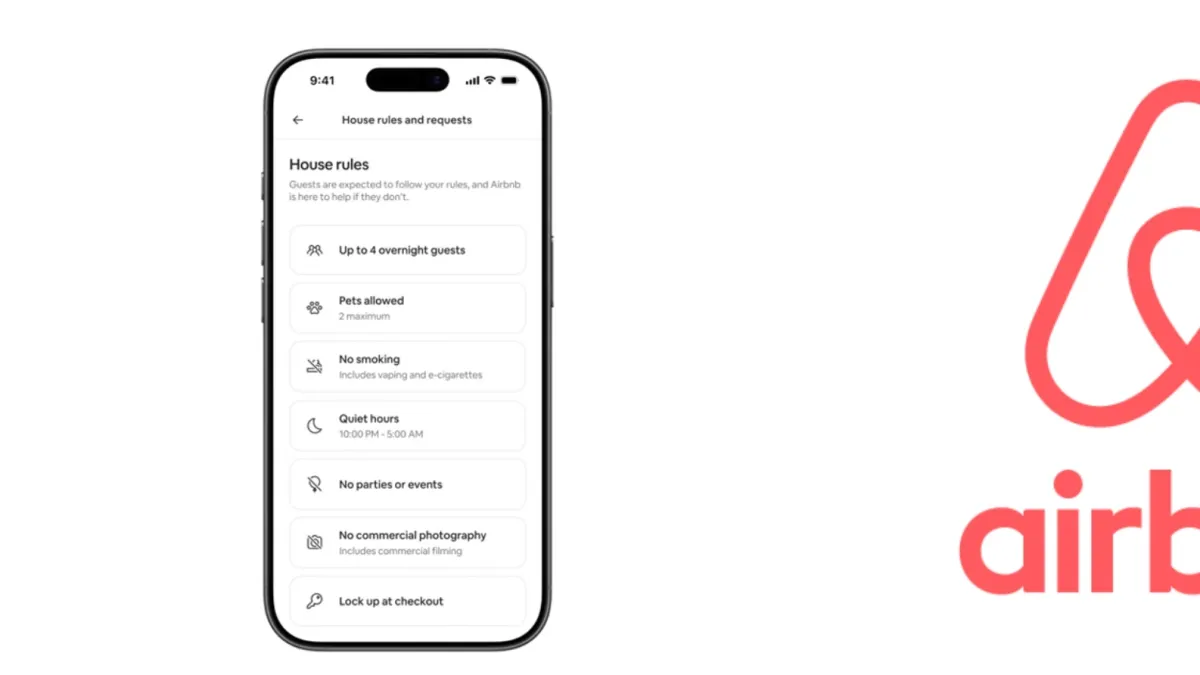
Under the new guidelines, property owners will be restricted to setting up to seven standardized parameters for a stay, alongside reasonable supplementary requests. Most notably, the rules explicitly outlaw demanding tasks such as washing, drying, or putting away dishes, stripping beds of linens, or operating laundry machines. Instead, the platform is drawing a strict boundary between basic standards of cleanliness and tasks that rightfully fall under professional housekeeping duties.
Chronology of the Policy Shift
The journey toward these sweeping regulatory updates has been gradual, driven by years of escalating consumer complaints regarding inflated cleaning fees coupled with extensive "checkout checklists."
Early 2024–2025: Consumer dissatisfaction reached a boiling point across social media and mainstream news outlets. Travelers worldwide expressed frustration over paying steep cleaning fees while simultaneously being asked to strip beds, take out the trash, and run dishwashers before departure.
May 2026: Initial framework discussions and soft rollouts of streamlined property management tools began appearing for select markets, signaling Airbnb’s intent to tackle checkout chore culture.
October 22, 2026: Airbnb officially published its comprehensive global update on its corporate website, establishing a definitive implementation timeline.
October 23, 2026: International media outlets, including The Guardian, amplified the announcement, detailing the specific parameters of what hosts can and cannot demand.
November 20, 2026 (Upcoming): The new global policies officially become active across all properties worldwide, backed by automated platform enforcement tools.
Supporting Data and Specific Regulations
To ensure absolute clarity for both parties, Airbnb has established precise boundaries outlining acceptable guest duties versus prohibited overreaches. The platform categorized these rules into four primary domestic areas:
1. Kitchen Etiquette
What is prohibited: Hosts cannot force guests to wash, dry, or put away dishes, silverware, or cookware.
What is permitted: Guests can be asked to neatly organize dirty dishes and place them directly into the sink.
2. Bedrooms and Linens
What is prohibited: Demanding that guests strip bed sheets, pillowcases, or load the washing machine is strictly banned.
What is permitted: Property owners may request that used towels be gathered and piled together in a single, designated location within the room or bathroom.
3. Waste Management and Utilities
What is prohibited: Guests cannot be compelled to haul trash bags out to external municipal bins or off-site collection points.
What is permitted: Requiring guests to sort general waste from recyclables and deposit them into designated indoor bins located on the property is fully allowed.
Climate Control: While hosts cannot completely ban the use of air conditioning or heating during a stay, they retain the right to request that systems be turned off when guests leave the premises.
4. Independent Contracts and Supplementary Agreements
The updated policy also addresses off-platform paperwork. The signing of independent, separate contracts is now restricted and will only be considered valid under strictly exceptional circumstances. These include:
Mandated legal requirements.
Homeowners association (HOA) rules.
Long-term lease agreements.
Specialized Airbnb Luxe properties.
Coverage for optional amenities, such as golf carts or private watercraft.
Airbnb explicitly emphasized that it holds no responsibility for drafting, enforcing, or arbitrating these independent agreements.
Official Responses and Platform Enforcement
Airbnb’s leadership has taken a firm stance regarding the psychological and physical toll that excessive checkout chores inflict on travelers. In internal guidance memos distributed to property owners, the company noted:
"The majority of guests have no desire to deal with unexpected chores, and asking them to perform tasks that properly belong to professional cleaning staff can severely diminish the quality of their stay."
To guarantee compliance without overwhelming human moderators, Airbnb has engineered an automated technical solution. The platform’s infrastructure will automatically scan all property descriptions and host-configured rules.
Automated Flagging: Any rule or requirement that violates the new policy will be immediately flagged directly within the listing editor interface.
Host Notifications: Property owners will receive automated email notifications containing targeted adjustment suggestions. Hosts retain the right to appeal if they believe their specific request falls under a justified exemption.
Dispute Resolution: In instances of direct conflict or non-compliance, both hosts and guests can escalate the matter to Airbnb’s official support network, which holds the authority to evaluate the situation and enact "appropriate measures."
Furthermore, the company reminded travelers that compliance remains a two-way street. Guests are still expected to adhere to basic house rules and fulfill reasonable host requests as outlined in Airbnb’s foundational guest standards.
Implications for the Vacation Rental Market
The rollout of these standardized global rules carries profound implications for the short-term rental industry, signaling a maturation phase where user experience overrides host autonomy in specific operational domains.
1. Rebalancing the Cost-Value Equation
For years, consumers criticized the paradox of paying high cleaning fees while performing manual labor upon checkout. By prohibiting excessive chores, Airbnb is directly addressing this value discrepancy. Industry analysts predict this may force hosts to either absorb cleaning realities into their operational models or adjust their pricing transparently, rather than relying on guests to finish the job.
2. Professionalization vs. Mom-and-Pop Hosts
While professional property management companies already integrate robust cleaning staff into their cost models, independent "mom-and-pop" hosts who rely on guest labor may face operational adjustments. These hosts will either need to invest more time in turnover maintenance, hire local cleaning crews, or scale back their expectations regarding property turnaround times.
3. Enhanced Platform Trust
By automating the enforcement of these policies through smart listing filters, Airbnb is proactively reducing friction points that previously resulted in negative reviews and customer service disputes. A more uniform global standard ensures that a traveler booking an apartment in Tokyo, Paris, or Bogotá encounters a predictable, stress-free checkout experience.
As the November 20 deadline approaches, hosts worldwide are reviewing their listings to align with the new seven-parameter limit, marking a definitive shift toward a more traveler-friendly era in peer-to-peer lodging.
Nestled in the lush river valley of the Tarn in southern France, Albi stands as a testament to medieval grandeur, architectural ingenuity, and artistic brilliance. Though it boasts UNESCO World Heritage status—awarded in 2010—and features…
By Angie Rodríguez Travel and Trends Journalist The short-term rental market and tourist housing sector in Colombia have officially entered a mature, highly sophisticated era. No longer characterized solely by informal peer-to-peer property listings, the…
By Edwin Caicedo Environment and Health Journalist Main Facts Aruba, widely celebrated across the globe as the "Happy Island," offers visitors a fascinating contrast between dry, cactus-studded desert landscapes and some of the most luminous,…