By Edwin Caicedo, Environment and Health Journalist
October 15, 2026
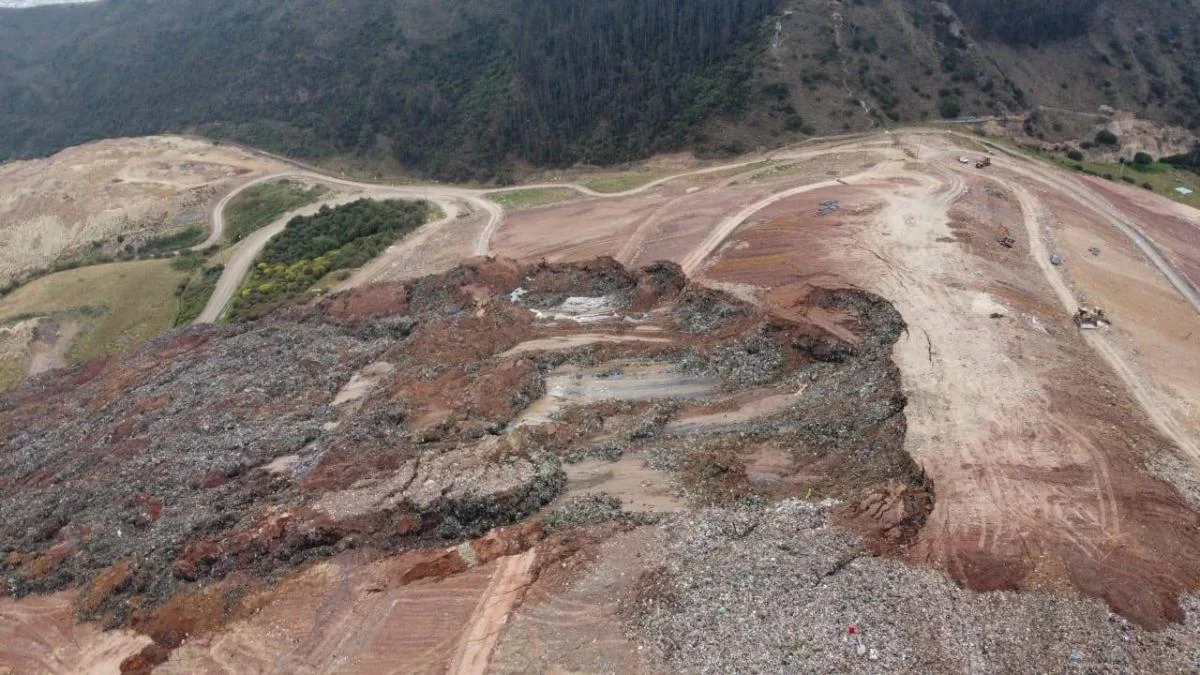
Colombia is currently standing on the precipice of a silent but potentially catastrophic environmental crisis: the exhaustion of its landfill infrastructure. As the nation’s urban centers continue to expand, the "out of sight, out of mind" model of waste management is rapidly reaching its physical and ecological limits. With 63% of the country’s major cities operating landfills that will reach full capacity in less than three years, authorities and private industry are scrambling for sustainable alternatives.
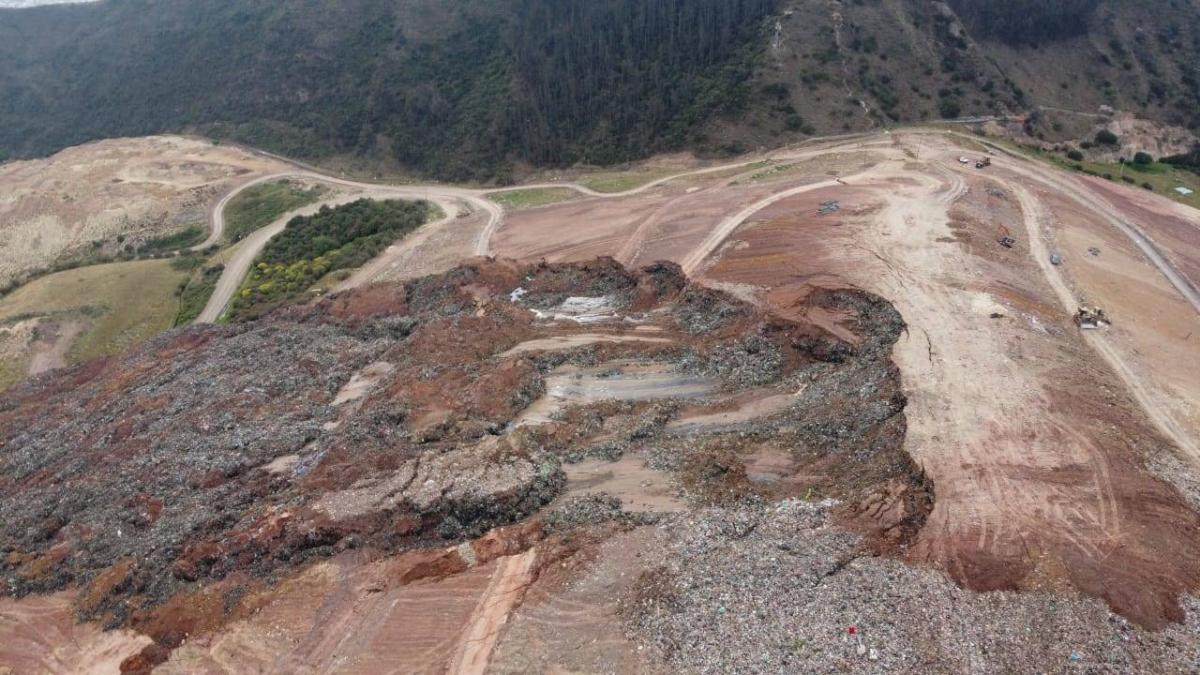
Central to this search for solutions is the cement industry’s proposal to scale up "coprocessing"—a circular economy model that utilizes non-recyclable waste as a fuel source in industrial kilns, effectively turning a burgeoning environmental liability into a component of infrastructure development.
The Magnitude of the Challenge: A Nation at Capacity
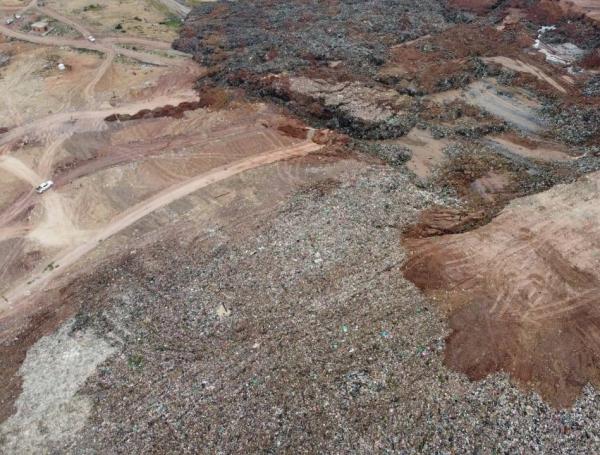
The crisis is most visible in the capital, Bogotá. During the first quarter of 2026, the Doña Juana landfill, the primary disposal site for millions of residents, received 608,100 tons of waste—an average of 6,769 tons per day. According to data from the Administrative Unit of Special Public Services (UAESP), this represents a 5% increase in volume compared to the same period in 2025.

These figures are not merely administrative burdens; they are indicators of a systemic failure to decouple economic growth from waste generation. As these sites reach their capacity, the pressure to find new locations for waste disposal creates social friction, health risks for nearby communities, and a massive carbon footprint. The accumulation of waste in these landfills is a significant contributor to climate change. As organic matter decomposes in anaerobic conditions, it releases methane—a greenhouse gas with a global warming potential approximately 80 times higher than carbon dioxide over a 20-year span.
Chronology of a Crisis: From Landfill Dependency to Circularity
For decades, the "landfill-only" model was the standard for waste management in Colombia. However, the environmental costs have become impossible to ignore.

- 1988–2023: The formative years of the Doña Juana landfill saw the accumulation of 63.3 million tons of waste. Epidemiological models, cross-referenced with air quality data from the UAESP, suggest that the methane emissions from these decades of decomposition have been linked to over 1,000 premature deaths globally.
- 2020–2024: The Colombian cement industry began a significant shift toward sustainability. The substitution rate of fossil fuels with waste-derived fuel in cement kilns grew from 7.5% in 2020 to nearly 13% by 2024.
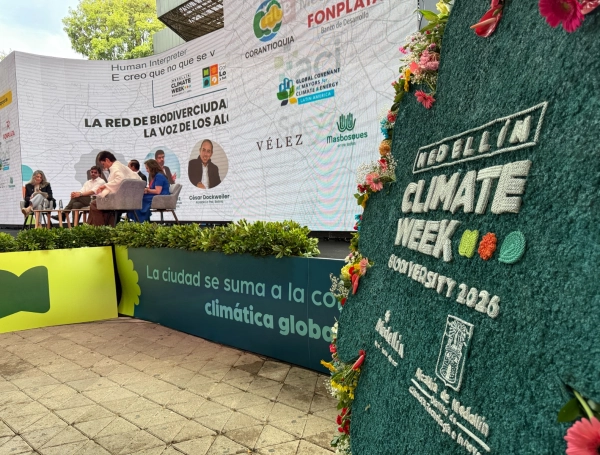
- Early 2026: The crisis reached a boiling point as municipal governments reported that over 60% of regional landfills had less than 36 months of remaining life, prompting the government to convene experts and industry leaders during the Climate Week in Medellín.
- October 2026: The ongoing debate regarding regulatory reform to incentivize coprocessing has become a top priority for environmental policymakers, as the country seeks to avoid a total collapse of its municipal sanitation systems.
Supporting Data: The Environmental Toll
The data presented by the Colombian Cement Chamber (Procemco) during the 2026 Climate Week in Medellín paints a stark picture. The current emissions generated by the nation’s waste sector are equivalent to keeping 623,000 internal combustion engine vehicles on the road year-round. Currently, the waste management sector accounts for 9.4% of Colombia’s total national greenhouse gas (GHG) emissions.
To put this in perspective, the industry’s current annual coprocessing capacity—which sits at roughly 140,000 tons of waste per year—is equivalent to two full months of waste that would otherwise be sent to the Doña Juana landfill, or six months of waste from the La Pradera site in Medellín. While these numbers are impressive, they are only a fraction of what is possible. In European nations like Austria and Germany, cement kilns substitute over 85% of their traditional fuel requirements with non-recyclable waste, providing a roadmap for what Colombia could achieve with the right regulatory framework.
Understanding Coprocessing: The Technical Solution
Coprocessing is not merely "burning trash." It is a highly controlled, high-temperature industrial process. The technology involves identifying specific, non-recyclable materials that possess high calorific or chemical value, preparing them (shredding, sorting, and drying), and then feeding them into cement kilns.
Because the temperatures in these kilns exceed 1,400°C, the process is efficient enough to destroy complex organic compounds that would otherwise linger in a landfill. The result is twofold: the waste is eliminated without producing methane, and the energy generated is used to manufacture the building blocks of the country’s infrastructure.

Manuel Lascarro, Director General of Procemco, emphasizes that this is an essential pillar of a modern circular economy. "What the industry already coprocesses is a significant step, but it is just the beginning," Lascarro explains. "By transitioning from a linear model of ‘take-make-dispose’ to one where industrial waste is recovered as energy, we directly address the lifespan of our landfills while reducing our carbon footprint."
Official Responses and Regulatory Barriers
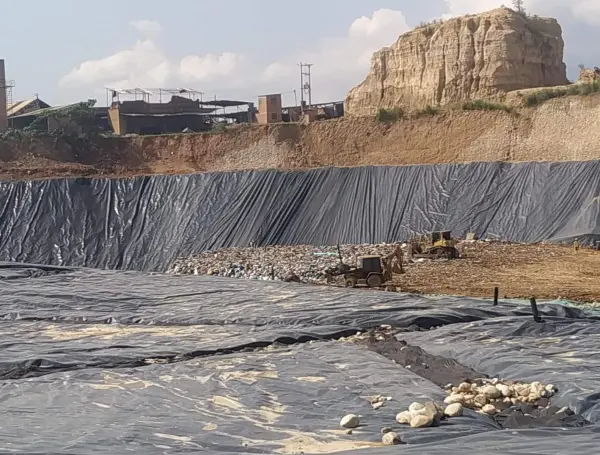
The primary hurdle to expanding this practice is not technological—it is regulatory. Currently, the national tariff framework for waste management in Colombia makes it financially more attractive for municipalities to bury waste in landfills than to invest in the logistics of transporting it to cement plants for coprocessing.
During the recent Forum on Circular Economy and Waste Management in Cement Kilns, representatives from the national government, the Water and Basic Sanitation Regulatory Commission, and various NGOs debated the path forward. The consensus was clear: the government must modernize the regulatory framework to incentivize private sector participation in waste recovery.
"If we can reform the tariff structure to reflect the true environmental cost of landfilling—including the social and health costs of methane emissions—coprocessing will become the logical and standard choice for non-recyclable materials," noted one industry participant at the forum.

Broader Implications: A Holistic Approach
The discourse surrounding this issue has evolved to recognize that recycling and coprocessing are not mutually exclusive; they are complementary.
- Reduction at the Source: The primary goal remains the reduction of waste generation through sustainable consumption and stricter packaging regulations.
- Increased Recycling: Strengthening the informal and formal recycling sectors remains a priority to recover plastics, metals, and paper.
- Coprocessing as a Final Filter: For those materials that are physically or economically impossible to recycle—such as certain contaminated plastics, textile scraps, and non-recyclable residues—coprocessing serves as the final, responsible destination.
The urgency of this transition is underscored by the reality of the next three years. If Colombia fails to act, the country will likely face an unprecedented public health crisis caused by the inability to manage urban refuse. The shift toward utilizing cement kilns represents more than just a technological upgrade; it represents a fundamental change in how the nation views its industrial assets and its environmental responsibilities.
As the country looks toward 2030, the integration of cement kilns into the national waste management strategy stands as one of the most viable paths to achieving the nation’s climate goals. By transforming the "trash problem" into an industrial solution, Colombia has the opportunity to lead in the region, proving that economic development and environmental stewardship can, and must, go hand in hand.
Key Takeaways for Stakeholders:
- Urgency: 63% of capital city landfills have less than 3 years of life left.
- Climate Impact: Waste sector accounts for nearly 10% of national GHG emissions.
- Industry Potential: The cement sector is ready to scale, but requires a shift in the regulatory and tariff landscape to make coprocessing competitive with landfilling.
- Policy Needed: A unified strategy that promotes recycling first, followed by energy recovery for residual waste, is essential for long-term urban stability.