By Edwin Caicedo | Environment and Health Journalist
Updated: September 7, 2026
Main Facts
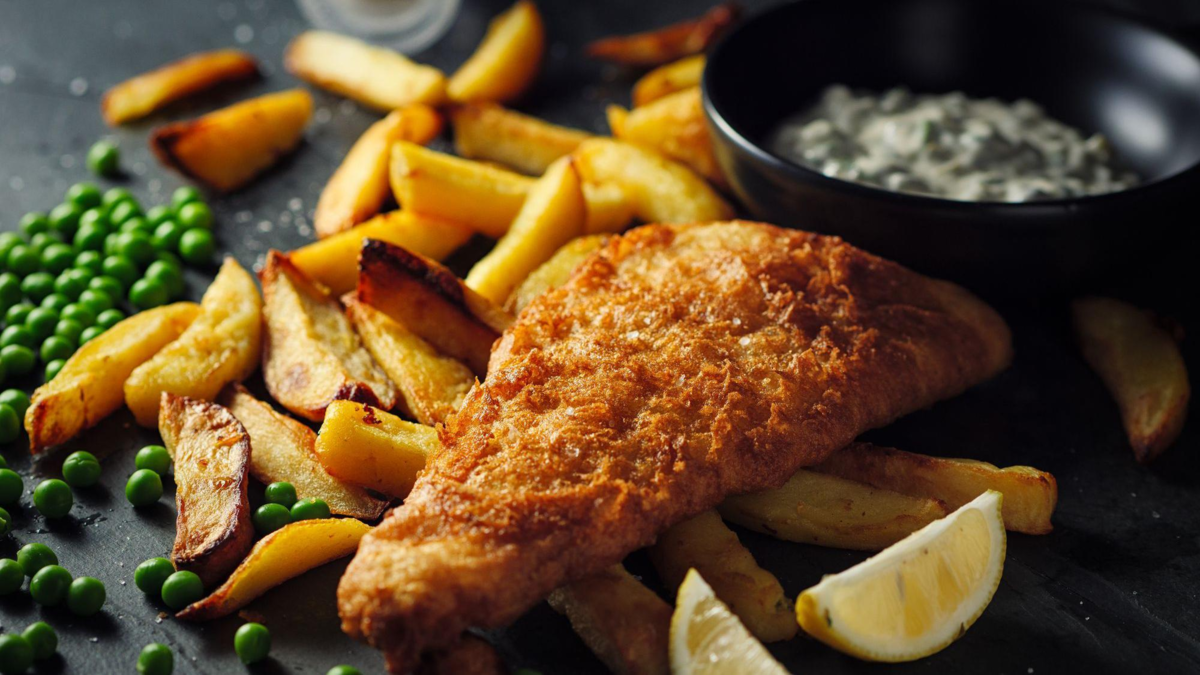
When it comes to frying fish or vegetables, achieving that elusive combination of a light, lace-like, golden crust without a heavy, greasy interior has long been the holy grail of both home cooks and professional chefs. For generations, culinary folklore has sworn by an unconventional secret ingredient: beer. Far from being an old wives’ tale or a simple kitchen myth, modern culinary science and rigorous laboratory testing have proven that substituting a portion of the liquid in a batter with beer fundamentally alters the physical and chemical dynamics of frying, yielding a measurably superior product.
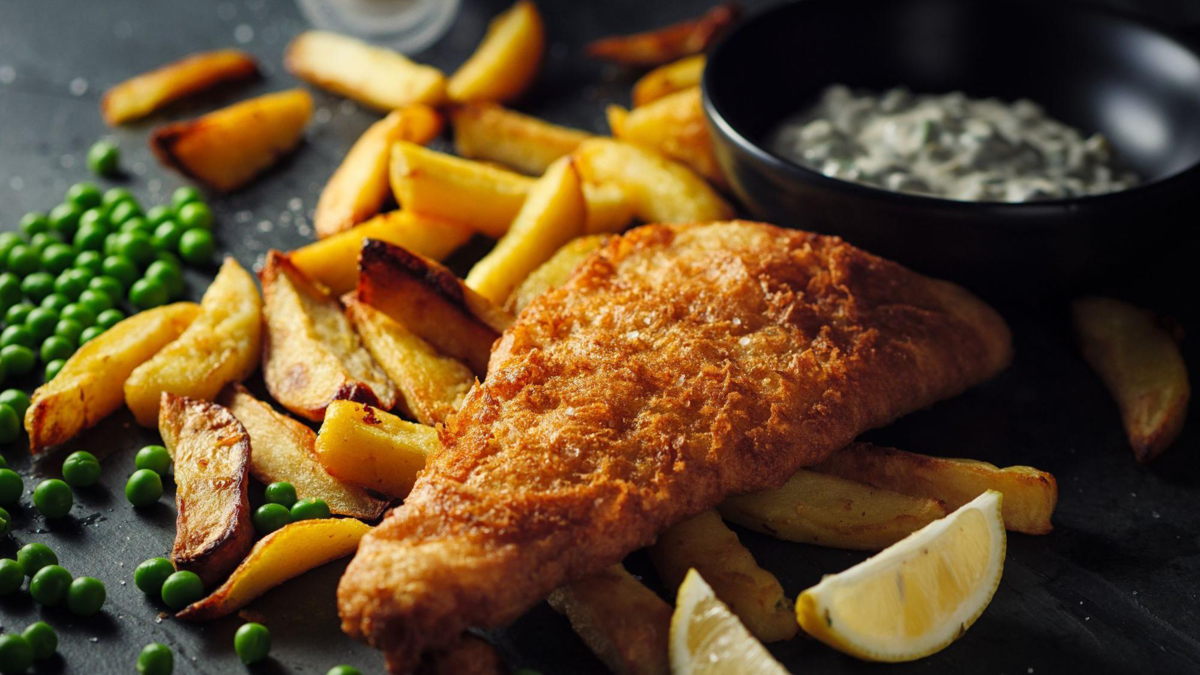
According to research highlighted by scientific publications like Scientific American and data from culinary testing laboratories such as America’s Test Kitchen, the magic behind beer batter lies in a triad of properties: carbonation, foaming agents, and alcohol content. When the batter hits hot oil, these elements trigger a series of rapid reactions. The dissolved carbon dioxide forms expanding bubbles that create an airy, ultra-crisp matrix, while secondary chemical properties help control gluten development, ensuring the exterior remains shatteringly crisp without becoming tough.
Chronology: From Tavern Tradition to Food Science Laboratories
While cooks in European pubs—particularly those serving traditional fish and chips—have intuitively used beer in their batters for centuries, the scientific validation of this practice has evolved through distinct phases over the last few decades:

- Pre-2000s (The Empirical Era): For generations, cooks relied on trial and error. Traditional pub chefs noticed that substituting water with ale or lager yielded a lighter batter, but the underlying mechanisms were chalked up to "kitchen magic" rather than science.
- The 2000s (Rise of Culinary Science): As food science gained popularity through media outlets and publications like Scientific American, researchers began examining the thermodynamics of deep frying, identifying carbon dioxide solubility and gas expansion as key drivers of texture.
- The 2010s (Controlled Laboratory Testing): Culinary institutions such as America’s Test Kitchen and platforms like ChefSteps began conducting controlled, side-by-side experiments. By isolating variables—testing batters made with regular beer, non-alcoholic beer, club soda, and plain water—scientists finally separated the physical effects of carbonation from the chemical effects of alcohol.
- Present Day (Mainstream Gastronomic Integration): Today, the science of beer batter is a staple curriculum in modern culinary schools. Chefs leverage precise knowledge of pH levels, evaporation rates, and gas kinetics to optimize fried foods, transforming a rustic pub trick into a precise culinary science.
Supporting Data: What the Experiments Reveal
To understand why beer outperforms water in a batter, one must look closely at the data gathered by food scientists and test kitchens. The results consistently point to three major factors:
1. The Power of Carbonation
When a carbonated liquid is mixed into a flour-based batter, it traps microscopic pockets of carbon dioxide ($CO_2$). According to Scientific American, when this batter encounters oil heated to standard frying temperatures (typically between 350°F and 375°F / 175°C to 190°C), the solubility of the dissolved gas drops precipitously.
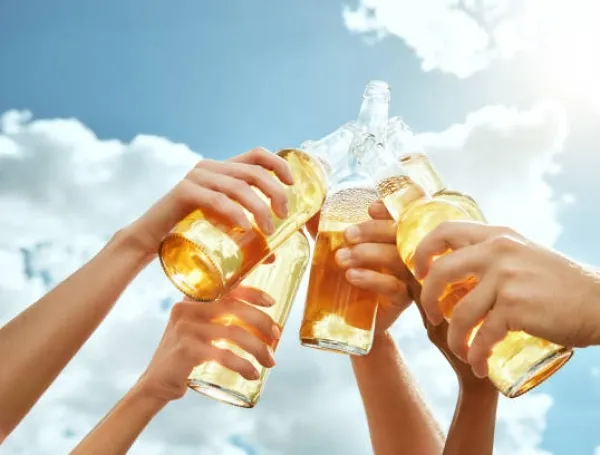
The $CO_2$ rapidly expands and escapes, acting as a natural leavening agent. This expansion forces the batter outward and upward, creating a porous, lace-like structure. In controlled experiments conducted by America’s Test Kitchen, batters made with carbonated liquids (including club soda and non-alcoholic beer) consistently produced significantly lighter, crispier crusts than those made with flat water.
2. The Gluten Connection and pH Balance
Gluten is the structural protein network formed when wheat flour is mixed with water. While desirable in bread, too much gluten development in a delicate batter results in a tough, chewy, and heavy coating.
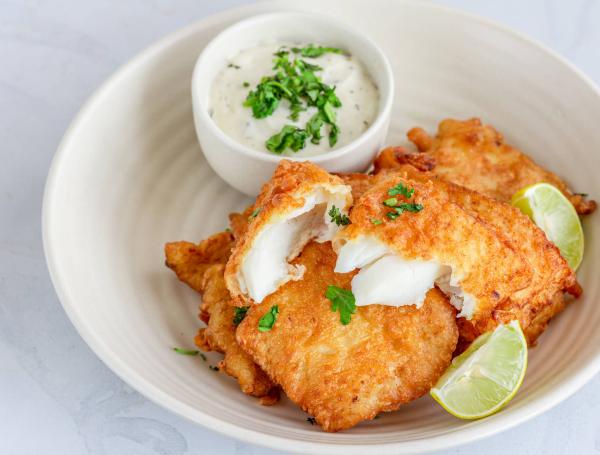
Here, chemistry plays a vital role. Gluten forms most efficiently in a neutral pH environment, typically ranging between 5 and 6. Most beers, however, possess a slightly acidic pH of around 4. When introduced to the flour mixture, this elevated acidity inhibits excessive gluten formation. The result is a more tender, delicate bite that shatters easily upon consumption rather than rubberizing in the mouth.
3. The Role of Alcohol
A common misconception is that the alcohol in beer is the primary driver of the crisp texture. However, America’s Test Kitchen debunked this by demonstrating that non-alcoholic carbonated beverages achieve a similarly crisp result due to their bubbles alone.
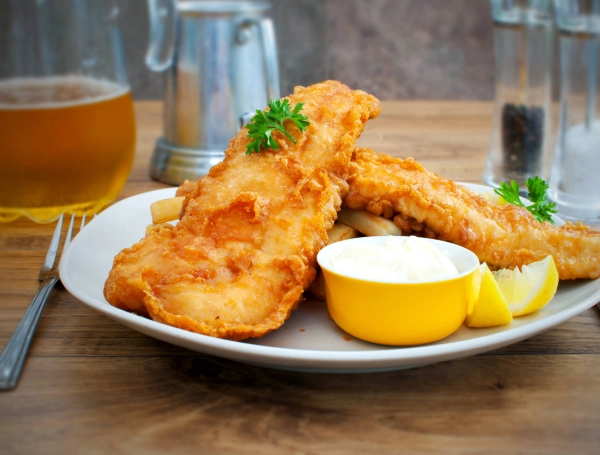
Nevertheless, alcohol does play a vital secondary role, as highlighted by advanced culinary platforms like ChefSteps. Because ethanol has a lower boiling point and evaporates much faster than water, alcoholic liquids flash-boil and leave the batter earlier in the cooking process. This rapid evaporation accelerates the drying out of the outer crust, locking in crunchiness and preventing the interior food (such as delicate fish fillets) from overcooking or absorbing excess oil.
Expert Insights and Culinary Perspectives
Professional chefs and food scientists emphasize that while beer is a powerful tool, it must be integrated correctly into a holistic frying technique.

"The magic of beer batter isn’t just about throwing an ingredient into a bowl; it’s about understanding how physics and chemistry accelerate the drying process," notes a senior food technologist at ChefSteps. "By utilizing the rapid evaporation rates of alcohol alongside the structural expansion of carbon dioxide, you shorten the time the food spends submerged in hot oil. Less time in the oil means less grease absorption and a juicier interior."
Furthermore, culinary instructors stress that the temperature of the beer matters immensely. Cold beer mixed into flour creates a thermal shock when it hits the hot oil. This sharp temperature differential intensifies the vaporization of liquids and gases, maximizing the expansion of the crust.

Implications for Home Cooks and the Food Industry
The scientific validation of beer batter carries several practical implications for both domestic cooking and commercial food preparation:
- Democratizing Professional Techniques: Home cooks no longer need expensive culinary equipment to replicate restaurant-quality fish and chips or tempura-style vegetables. A simple bottle of chilled lager or pale ale can dramatically elevate everyday meals.
- Healthier Frying Profiles: Because the combination of carbonation and alcohol accelerates crust formation and moisture barrier creation, food absorbs less oil during the frying process. This results in a lighter final product with a less greasy mouthfeel.
- Versatility Beyond Fish: While traditionally associated with fish and chips, the principles of beer batter apply successfully to onion rings, chicken tenders, zucchini blossoms, and other vegetables, opening up new avenues for creative home cooking.
- Culinary Innovation: Craft breweries and kitchen supply brands have begun collaborating, creating specialty cooking beers optimized with specific hop profiles, protein contents, and carbonation levels tailored exclusively for culinary applications.
Ultimately, science has vindicated generations of pub chefs and home cooks. The next time you prepare a crispy fried meal, reaching for a cold, carbonated brew isn’t just a nod to tradition—it is a masterclass in culinary physics.