By International Desk | EL TIEMPO
Published: September 18, 2026
Main Facts
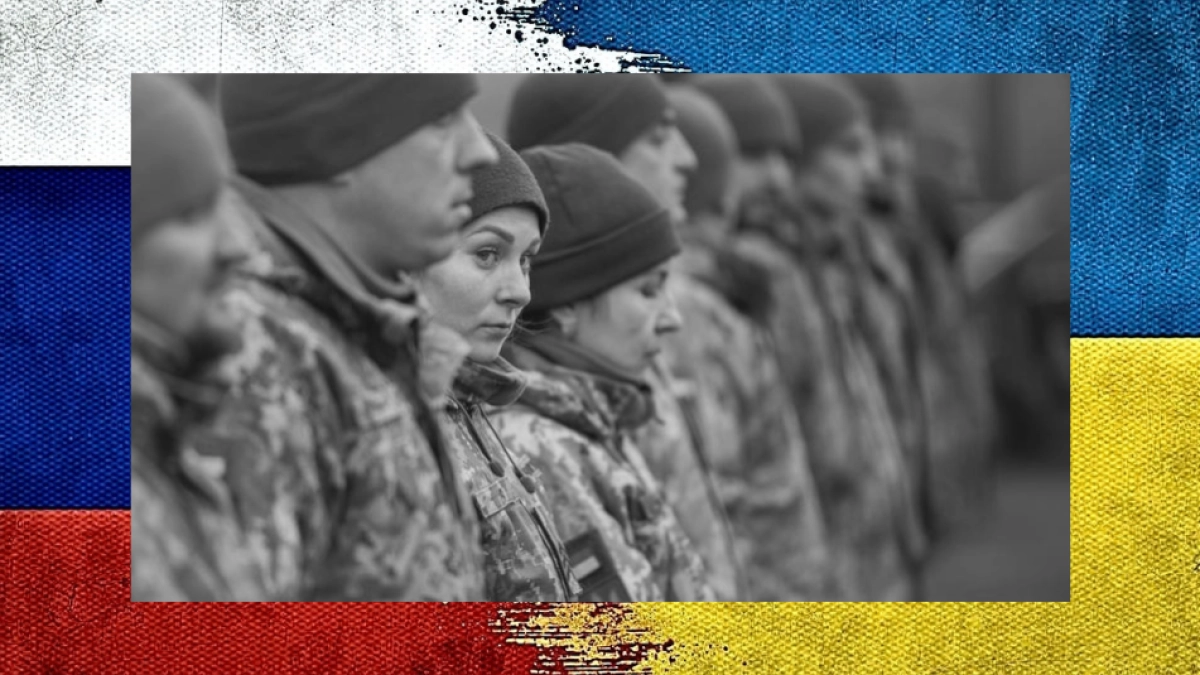
More than four years after the escalation of the armed conflict in Eastern Europe, the human cost continues to manifest in devastating and insidious ways far beyond the frontlines. In a landmark and sobering presentation in Geneva, the United Nations Office of the High Commissioner for Human Rights (OHCHR) formally denounced the systematic deployment of sexual violence as a weapon of war in Ukraine.
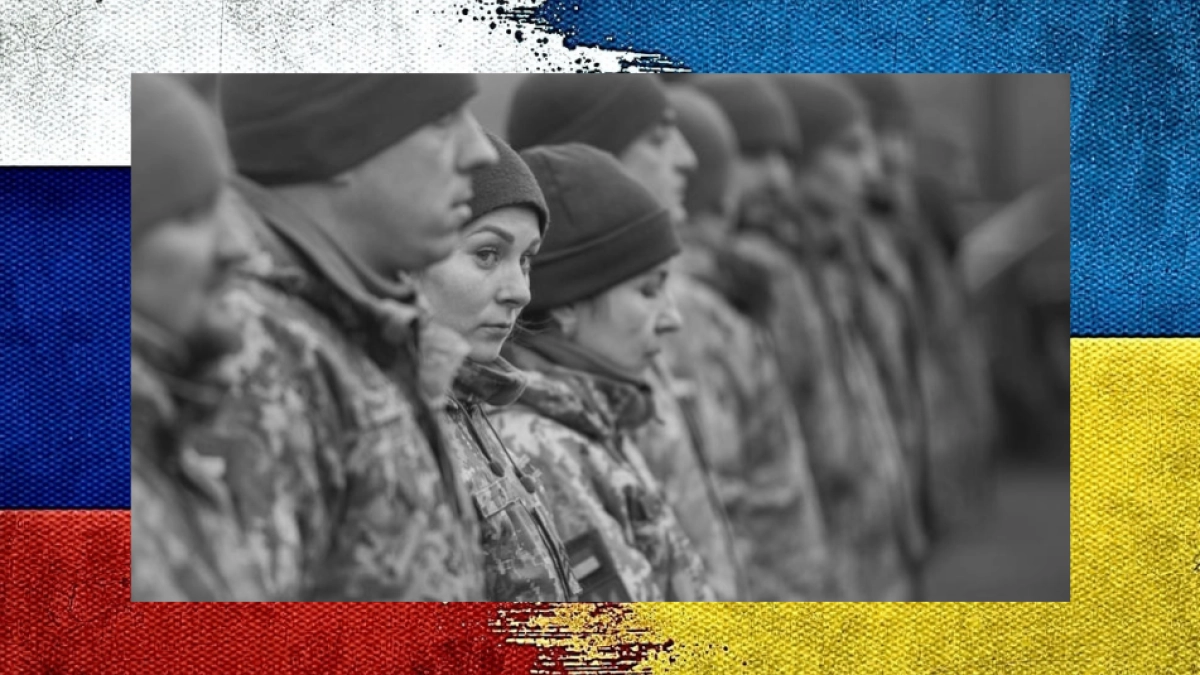
According to an exhaustive investigative report released on Friday, the UN has documented at least 1,004 distinct cases of conflict-related sexual violence (CRSV) since the full-scale Russian invasion commenced in February 2022. The findings paint a grim picture of torture, intimidation, and coercion targeting civilians and prisoners of war alike.
The data compiled by international monitors attributes the vast majority of these atrocities to Russian actors. Specifically, 89% of the documented cases were linked directly to members of the Russian armed forces, prison administration staff, and various security service personnel. Conversely, 11% of the cases involved actions or threats originating from Ukrainian authorities.

However, international officials were quick to emphasize that these figures do not establish a moral or operational equivalence between the warring parties. Danielle Bell, head of the UN Human Rights Monitoring Mission in Ukraine, underscored during the press briefing that the scale, methodology, and intent demonstrated by the two sides are fundamentally disparate.
"The pattern is not comparable in scale nor in scope," Bell stated firmly. Highlighting the qualitative differences in the data, she revealed that nearly half of the total cases attributed to Ukrainian authorities consisted strictly of verbal threats of sexual violence rather than physical assaults—a stark contrast to the widespread physical mutilations and systemic rapes documented on the Russian side.
The report concludes that sexual violence has not been executed merely as a series of isolated, opportunistic crimes by rogue soldiers, but rather as an institutionalized mechanism of terror, utilized methodically to break the spirit of detainees, subjugate populations in occupied territories, and extract information or compliance.
Chronology of the Investigation
The documentation of these heinous acts did not happen overnight. It represents the culmination of years of meticulous, high-risk investigative work conducted by human rights monitors, forensic experts, and legal investigators operating under extreme wartime conditions.
- February 2022: The full-scale Russian invasion of Ukraine begins. Within weeks, early reports of targeted sexual assaults in areas surrounding Kyiv, Chernihiv, and Sumy begin trickling into local human rights organizations and international monitors.
- Late 2022 – 2023: As territories change hands and mass graves and torture chambers are uncovered in liberated zones (such as Bucha, Izium, and Kherson), the UN Human Rights Monitoring Mission expands its mandate to actively trace patterns of conflict-related sexual violence. Confidential interviewing protocols are established for survivors.
- 2024 – 2025: Investigators broaden their scope beyond civilian populations in occupied territories to include formal and informal detention facilities, documenting systemic abuses inflicted upon prisoners of war (POWs) held by both sides. The case files swell past the 500-mark, and preliminary findings are shared with specialized UN committees.
- September 2026: The UN formally releases its comprehensive cumulative report in Geneva, consolidating at least 1,004 verified cases, outlining structural methodologies of torture, and calling for immediate international accountability mechanisms.
Supporting Data and Evidence
The methodology underpinning the UN report relied heavily on confidential, trauma-informed interviews with hundreds of survivors, alongside a rigorous cross-examination of medical records, court files, and official state registries. Despite the breadth of the investigation, human rights officials have repeatedly warned that the published statistics represent merely the tip of the iceberg. Stigma, fear of reprisal, ongoing hostilities, and the displacement of millions of Ukrainians mean that countless victims remain silent.
Demographic Breakdown and Spectrum of Abuse
While popular perception often casts sexual violence in war as a crime exclusively affecting women and girls, the UN data reveals a harrowing reality: the majority of identified victims in this conflict have been men, predominantly detained civilians and military personnel held as prisoners of war. Women and minors, however, bore the brunt of sexual violence within Russian-occupied territories.

The age range of documented victims underscores the indiscriminate cruelty of the perpetrators. Investigators identified the youngest victim as a four-year-old girl and the oldest as an 82-year-old woman, with both extreme cases tied directly to Russian occupation authorities.
Methods of Torture
The physical abuses documented within the report go far beyond individual and gang rapes. The catalogue of terror includes:
- Genital mutilation and severe trauma.
- The application of high-voltage electric shocks directly to the genital area.
- Beatings, humiliation, and forced public nudity.
According to testimonies gathered by investigators, torturers frequently utilized military field telephones—specifically the Soviet-era model known as the tapik—alongside electrical stun guns to administer agonizing shocks to captive men during interrogation sessions. Multiple Ukrainian prisoners of war testified to having been subjected to aggravated sodomy using batons, wrenches, and other foreign objects.
Meanwhile, women trapped in occupied zones shared accounts of enduring prolonged captivity. In one particularly harrowing testimony cited in the report, a female resident from the Zaporiyia region detailed how she was repeatedly raped by a Russian soldier over the course of a month, while the perpetrator used extortion tactics, promising better treatment for her detained husband in exchange for her compliance.

Official Responses
The release of the report has drawn sharp condemnations from top international leadership, alongside direct demands for institutional reform and judicial accountability.
Volker Türk, the UN High Commissioner for Human Rights, expressed profound dismay over the scale and brutality of the findings. In a public statement issued from Geneva, Türk emphasized the urgent need to halt these practices before they become an entrenched, generational trauma.

"I am deeply alarmed by the prevalence of these atrocious acts and I fear that they continue in the context of the incessant violence we witness every day in Ukraine," Türk remarked.
Directing his attention to Moscow, the High Commissioner called upon Russian leadership to enforce immediate, visible, and verifiable measures to shield civilians and captured combatants from sexual violence and torture. Simultaneously, Türk urged both the Russian Federation and the Ukrainian government to investigate all credible allegations thoroughly and impartially.

"Rusia and Ukraine must investigate all credible accusations of sexual violence in a prompt, exhaustive, and impartial manner, and guarantee that those responsible are brought to justice to face accountability," Türk concluded.
Implications and the Path Forward
The formal categorization of these acts as systematic violence carries profound legal, geopolitical, and humanitarian implications.

- International Criminal Jurisprudence: The aggregation of over 1,000 verified cases provides international prosecutors, including those at the International Criminal Court (ICC), with a robust evidentiary framework. This documentation shifts the legal narrative from isolated criminal acts committed by undisciplined soldiers to a demonstrable pattern of command responsibility and state-sponsored coercion, which constitutes a war crime and potentially a crime against humanity.
- The Crisis of Male Survivors: By highlighting that men constitute the majority of documented victims—largely within the closed environment of detention camps—the UN report breaks long-standing societal taboos surrounding male sexual violence in conflict. This revelation demands an immediate overhaul of psychosocial support systems, which historically have been ill-equipped to address the specific trauma faced by male survivors of sexual torture.
- Long-Term Societal Healing: The psychological scars of systemic sexual violence will reverberate across Ukrainian society for decades. Experts warn that rebuilding communities will require not only physical reconstruction and economic aid, but a massive, sustained expansion of specialized mental health services, legal aid, and destigmatization campaigns.
As the war grinds on with no immediate end in sight, the international community faces a monumental test. The UN’s stark warning serves as an urgent reminder that accountability cannot wait for the cessation of hostilities; it must run parallel to the pursuit of peace if justice is to have any meaningful resonance for the survivors.