Introduction: A New Paradigm in Narco-Trafficking
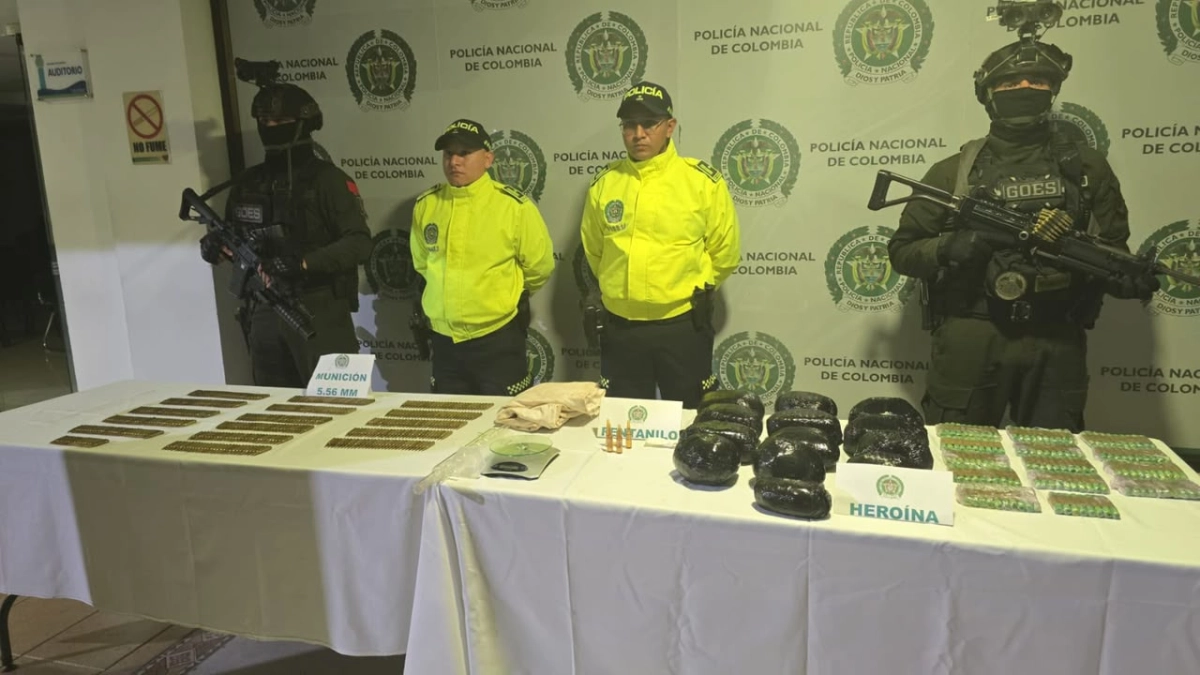
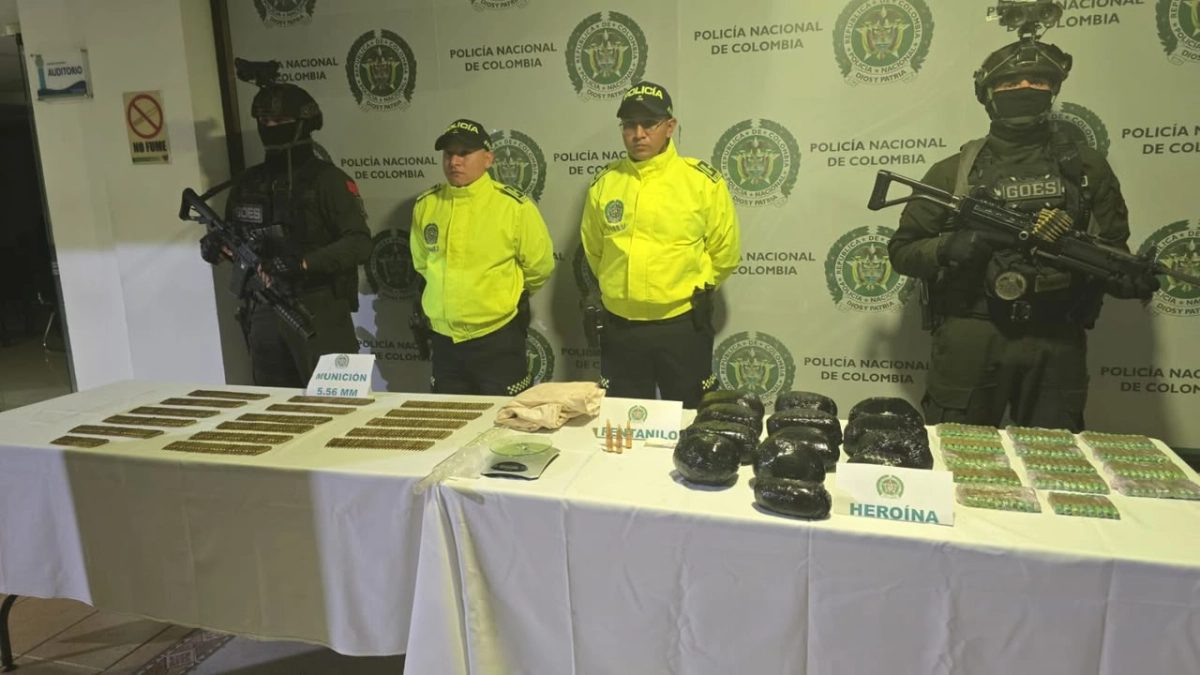
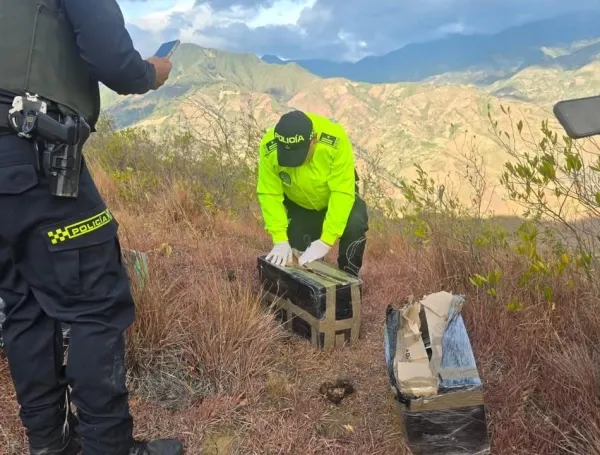
In a sophisticated joint operation conducted in the rural heartlands of Buesaco, Nariño, Colombian authorities—in close coordination with the United States Federal Bureau of Investigation (FBI)—have struck a significant blow against a transnational criminal network. The seizure of 15 kilograms of high-purity heroin, various vials of synthetic fentanyl, and 500 rounds of 5.56mm ammunition has not only disrupted a specific supply chain but has exposed a troubling evolution in how illegal armed groups, specifically the National Liberation Army (ELN), are diversifying their illicit portfolios.
The operation, led by the Colombian National Police’s Directorate of Criminal Investigation and Interpol (DIJIN) alongside the Police’s Special Operations Group (GOES), revealed a complex logistics web designed to funnel potent opioids into the American market. This case is particularly alarming to intelligence officials, as it highlights the "outsourcing" of drug trafficking logistics to guerrillas and the increasingly common practice of mixing traditional narcotics with synthetic additives to create highly lethal, addictive cocktails.
The Facts: Anatomy of the Seizure
The operation unfolded in the rugged terrain of Buesaco, a municipality in the department of Nariño known for its strategic location between the Andean highlands and the Pacific coast. Intelligence reports indicate that the cache was part of a larger, coordinated movement of contraband intended for export.
The Inventory
- Heroin: 15 kilograms, characterized by high purity levels, suggesting it was destined for "cutting" or blending in final markets.
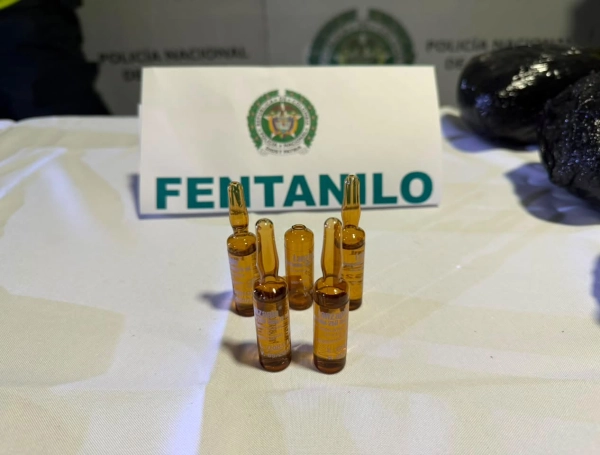
- Synthetic Opioids: Multiple vials of fentanyl, marking a critical transition point where traditional plant-based narcotics are being supplemented with high-potency synthetics.
- Ammunition: 500 rounds of 5.56mm caliber cartridges. These were not merely incidental to the haul; investigators suggest this munitions cache serves as a form of "currency" or "tax payment" to local armed actors.
- Secondary Evidence: Found alongside the primary cargo were traces of cocaine residue, leading forensic teams to investigate whether the facility was being used to package "cocktail" substances—mixtures designed to increase the psychological and physical impact on the end consumer.
Chronology of the Investigative Process
The unraveling of this network was the result of a long-term, multi-agency intelligence effort.

- Initial Surveillance (Q1–Q2 2026): Intelligence units identified a pattern of atypical movement in the Buesaco region. Unlike traditional drug shipments, these movements involved smaller, more frequent loads, often guarded by individuals associated with peripheral elements of the ELN.
- International Coordination (Q3 2026): Recognizing the transnational reach of the network, the DIJIN engaged the FBI. The focus shifted from local interdiction to tracking the "logistics chain" that connected the Colombian highlands to the streets of the United States.
- The Buesaco Operation (September 2026): Following weeks of tactical reconnaissance, the GOES launched the raid on the identified site. The precision of the operation ensured that the evidence—and the links to the logistics facilitators—remained intact for legal analysis.
- Forensic and Intelligence Follow-up: Post-operation, the focus has shifted to analyzing the chemical composition of the seized drugs and tracing the origins of the 5.56mm ammunition, which is crucial for determining the supply chain of the ELN’s weaponry.
The "Outsourcing" Model: The ELN’s Role
One of the most significant revelations from this investigation is the confirmation of a "criminal outsourcing" (or tercerización criminal) model. In this arrangement, the ELN does not necessarily manage every aspect of the drug production and transport. Instead, they provide "security services" and safe passage through the territories they control.
The Ammunition as Currency
The presence of 5.56mm rounds, which are standard for assault rifles used by the ELN, is a smoking gun in the eyes of investigators. It is widely believed that these munitions were not intended for the traffickers’ use, but were instead a payment-in-kind to the guerrillas. By allowing the movement of these narcotics, the ELN gains access to military-grade supplies that are otherwise difficult to procure, thereby bolstering their fighting capacity while simultaneously benefiting from the illicit economy.
The "Super Zombie" Threat: Implications for the U.S. Market
Perhaps the most concerning aspect of the seizure is the presence of fentanyl mixed with, or intended to be mixed with, heroin. Intelligence sources have indicated that this specific combination is being marketed on the streets of the United States under various street names, including the alarming moniker "Super Zombie."
The Synthetic Danger
The shift from pure heroin to fentanyl-laced products represents a massive increase in mortality risk for users. Fentanyl, which is significantly more potent than heroin, is often added to lower-quality batches to increase the "high." When this process occurs in clandestine, unmonitored labs in rural Colombia, the lack of quality control often results in lethal doses.
Authorities are now working to determine whether the mixing happens in Colombia or if the substances are shipped separately to be processed in transit hubs like Mexico. This discovery has forced a change in the cooperation protocols between Colombian and American agencies, as the fight against "traditional" narco-trafficking is increasingly becoming a fight against synthetic chemical warfare.
Official Responses and Strategic Outlook
Colonel Elver Vicente Alfonso Sanabria, Director of DIJIN and Interpol, provided a clear assessment during the press briefing following the operation:

"The investigative efforts have allowed us to determine that the narcotics and the munitions belong to a transnational heroin trafficking structure that operates under a criminal outsourcing model, directly serving the interests of the ELN armed group."
Strategic Challenges
The operation underscores the difficulty of dismantling networks that utilize a modular, decentralized structure. By relying on third-party facilitators, the main architects of these trafficking routes remain insulated from direct law enforcement action.

- Transnational Logistics: The identified route—Nariño (Colombia) to Ecuador, followed by maritime transport to Mexico, and final entry into the United States—is a testament to the resilience of global trafficking cartels.
- The Nexus of Conflict and Crime: The collaboration between the ELN and international traffickers creates a hybrid threat. It complicates peace negotiations and domestic security, as the guerrilla groups are no longer just political actors, but essential cogs in the global opioid supply chain.
- Future Interdiction: The FBI’s involvement indicates that the U.S. government views this specific pipeline as a high-priority threat. Further joint operations are expected as the evidence from this seizure is processed.
Conclusion: A Borderless Crisis
The Buesaco operation is more than a successful drug seizure; it is a diagnostic of the current state of transnational crime. The convergence of guerrilla logistics, synthetic drug production, and international organized crime creates a "perfect storm" that transcends national borders.
As Colombian and U.S. authorities continue to piece together the structure of this network, the primary focus remains on cutting off the supply of synthetic precursors and dismantling the "protection" agreements that allow these groups to operate with relative impunity in remote regions. The war on drugs has shifted; it is no longer just about the kilos of product, but about the complex, evolving alliances that ensure these substances reach their deadly destination.

For the residents of Nariño and the communities in the U.S. affected by the opioid crisis, this operation represents a small but vital victory in a much larger, ongoing struggle to reclaim territory and save lives from the devastating influence of the illicit drug trade.