International Desk — EL TIEMPO
With reporting from AFP
Main Facts
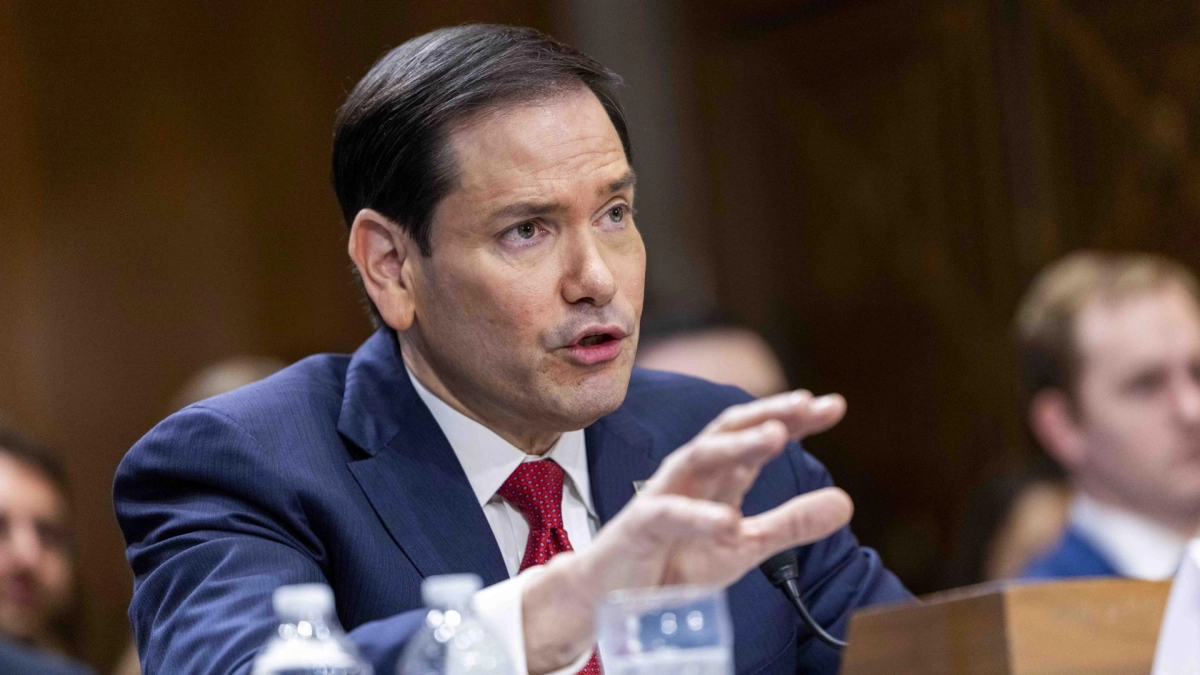
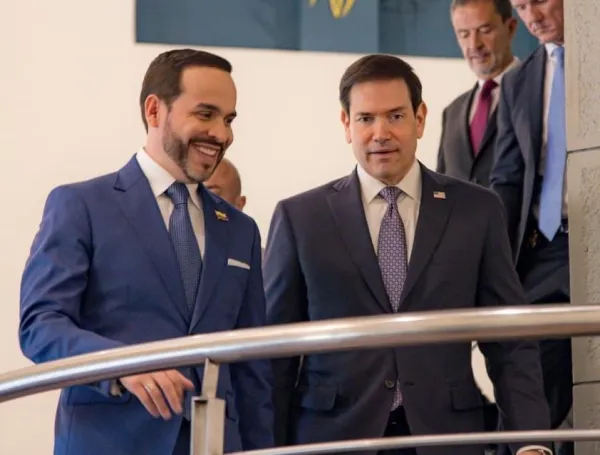
The geopolitical landscape of South America is undergoing a sharp realignment under the renewed focus of Washington’s foreign policy. US Secretary of State Marco Rubio arrived in Quito on Wednesday, September 9, 2026, for a high-stakes official visit with Ecuadorian President Daniel Noboa. The meeting serves as a cornerstone of Rubio’s broader regional tour—which commenced in Colombia on Tuesday and concludes in Peru—aimed at consolidating diplomatic, security, and economic ties between the United States and key South American partners.
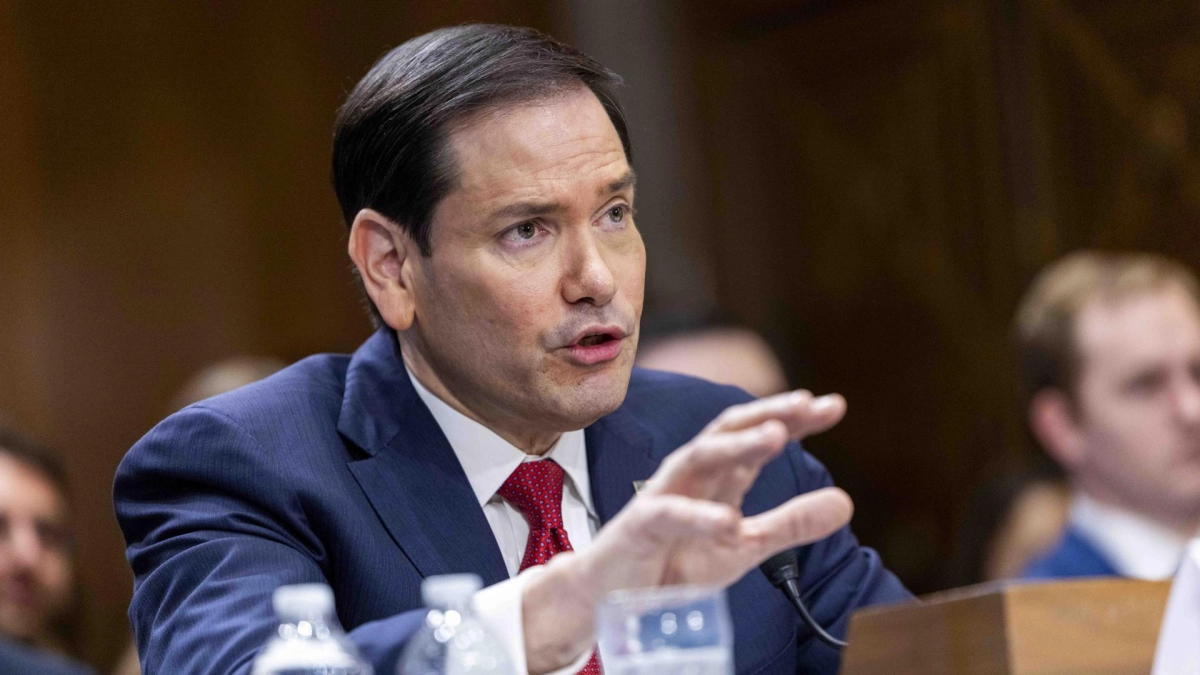
The central pillars of Rubio’s discussions in Ecuador center on intensifying joint counter-narcotics efforts, updating bilateral extradition treaties to target transnational cartels, and expanding technological investments from major US corporations, including Google, Palantir, and SpaceX.
However, this renewed diplomatic and military partnership arrives amid mounting controversy. The visit coincides with aggressive joint naval operations in the Pacific Ocean that have resulted in the neutralization of multiple vessels accused of supplying drug-trafficking networks. While Washington and Quito hail these missions as critical blows against organized crime, human rights organizations have raised alarms over alleged abuses, arbitrary detentions, and extrajudicial actions. Furthermore, the aggressive US-led push to solidify regional security blocs is part of a deliberate strategy to counter the expanding economic and diplomatic footprint of China, Russia, and Iran in Latin America.

Chronology: A High-Stakes Regional Tour
The unfolding diplomatic itinerary maps out a concerted effort by the administration of US President Donald Trump to bind key Andean nations closer to Washington’s strategic orbit through the "Shield of the Americas" initiative.
- Monday, September 7, 2026 (Pre-Departure): Secretary of State Marco Rubio issues a stark policy memo and regional op-ed warning against the "predatory practices" of external actors in Latin America, signaling that countering Chinese influence will be a primary objective of his upcoming South American mission.
- Tuesday, September 8, 2026 (Colombia Leg): Rubio arrives in Barranquilla, Colombia, where he holds formal talks with recently elected Colombian President Abelardo de la Espriella. The discussions focus on incorporating Colombia deeper into the "Shield of the Americas" alliance, supplying specialized military equipment, and expanding intelligence-sharing protocols. Concurrently, in the Pacific, a suspected drug-supply vessel is intercepted and sunk, marking the sixth such operational strike in a fortnight.
- Wednesday, September 9, 2026 (Ecuador Leg): Rubio touches down in Quito to meet with President Daniel Noboa. The talks emphasize coordinated maritime interdictions, extradition frameworks, and tech sector investments. On the same day, local and international human rights reports highlight growing tensions in coastal areas like Manta regarding the legality of ongoing maritime operations.
- Thursday, September 10, 2026 (Peru Leg – Scheduled): Rubio is scheduled to travel to Lima to conclude his diplomatic circuit with a bilateral summit alongside Peruvian President Keiko Fujimori, addressing domestic security challenges and bilateral commerce.
Supporting Data and Strategic Security Operations
Ecuador has evolved into one of the most critical geopolitical flashpoints in the global cocaine trade, serving as a primary logistical corridor for shipments destined for North America, Europe, and Asia. President Daniel Noboa has staked his political capital on a relentless military offensive against powerful domestic and transnational criminal syndicates that historically operated with impunity.

"Noboa is facing criminal organizations that used to operate as if they were untouchable. But they are not," Rubio wrote in a regional op-ed published ahead of his arrival.
This uncompromising posture has translated into intense, kinetic operations in the territorial waters and exclusive economic zones of the eastern Pacific. In coordination with US intelligence and naval assets, Ecuadorian forces have stepped up interdiction protocols targeting fishing vessels suspected of acting as floating fuel stations and logistical nodes for high-speed drug-smuggling semi-submersibles and go-fast boats.
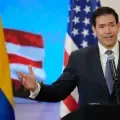
According to military reports, at least six suspect vessels have been disabled or sunk over a two-week period leading up to Rubio’s visit, including an operation executed on Tuesday. While these tactics underline a zero-tolerance doctrine shared by Washington and Quito, they have also triggered a fierce domestic debate regarding proportionality, sovereignty, and human rights compliance under international maritime law.
Official Responses and the Human Rights Debate
The intensification of the US-backed security strategy has drawn severe scrutiny from civil society organizations. The Permanent Committee for the Defense of Human Rights in Ecuador (CPDH) released figures indicating that at least 143 arbitrary detentions have been executed throughout 2026 in direct connection with these maritime operations. Furthermore, the committee has cataloged concerning allegations involving potential enforced disappearances, torture, and the systematic destruction of property belonging to artisanal fishing communities in coastal hubs like Manta.
Families of local fishermen and community leaders have vocally protested the sweeping nature of the security sweeps, asserting that innocent workers are frequently caught in the crosshairs of militarized anti-drug campaigns. Protesters maintain that many targeted vessels are engaged in legitimate commercial fishing rather than illicit logistics.
In response, the administration of President Noboa and high-ranking security officials have firmly defended the legitimacy and precision of the operations. Ecuador’s Minister of the Interior, John Reimberg, took to social media to refute allegations of systemic abuse, emphasizing that the state’s military might is strictly calibrated to dismantle criminal infrastructure.
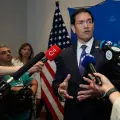
"We are not attacking fishermen or honest citizens: we are attacking the logistics of drug trafficking," Minister Reimberg stated via his official account on X (formerly Twitter).
US officials accompanying Rubio have similarly defended the collaborative framework, arguing that modern transnational cartels deliberately blur the lines between legal commerce and illicit maritime trafficking, necessitating a robust, uncompromising operational response.
Geopolitical Implications: The Great Power Pulse in Latin America
Beyond tactical counter-narcotics cooperation, Secretary Rubio’s tour represents a clear manifestation of Washington’s broader grand strategy: reclaiming uncontested hegemony in the Western Hemisphere and directly challenging the economic penetration of Beijing.
The timing of Rubio’s visit to Quito is particularly delicate given Ecuador’s complex economic balancing act. Only weeks prior to the US Secretary of State’s arrival, President Noboa traveled to Beijing on an official state visit to negotiate trade agreements and secure foreign direct investment. During that summit, Chinese President Xi Jinping publicly underscored that Latin American nations must act with complete autonomy and structure their international partnerships around domestic national interests.
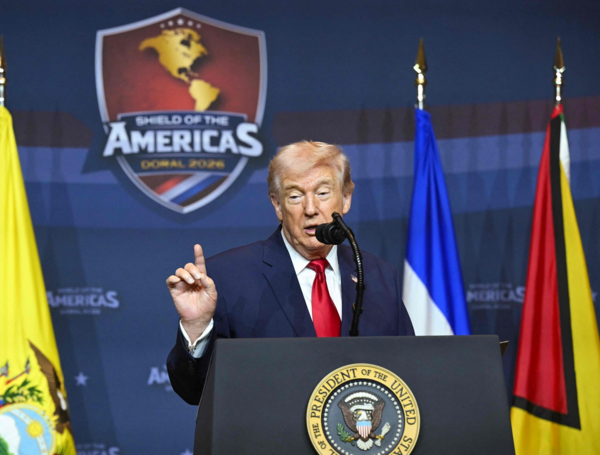
Washington views such overtures through the prism of national security. The Trump administration’s "Shield of the Americas" initiative is explicitly designed to offer an alternative security and economic architecture to conservative governments across the region—such as those of Noboa in Ecuador, De la Espriella in Colombia, and Fujimori in Peru—while warning against the systemic risks of relying on Chinese capital, telecommunications infrastructure, and resource extraction projects.
By leveraging technological packages from American giants like Google, Palantir, and SpaceX alongside enhanced military hardware and intelligence sharing, Washington hopes to anchor Andean nations firmly to its strategic sphere. However, as local resistance to heavy-handed militarization grows and regional leaders continue to navigate the lucrative pull of Chinese trade markets, Secretary Rubio’s tour highlights both the opportunities and the profound fragilities inherent in America’s renewed South American strategy.