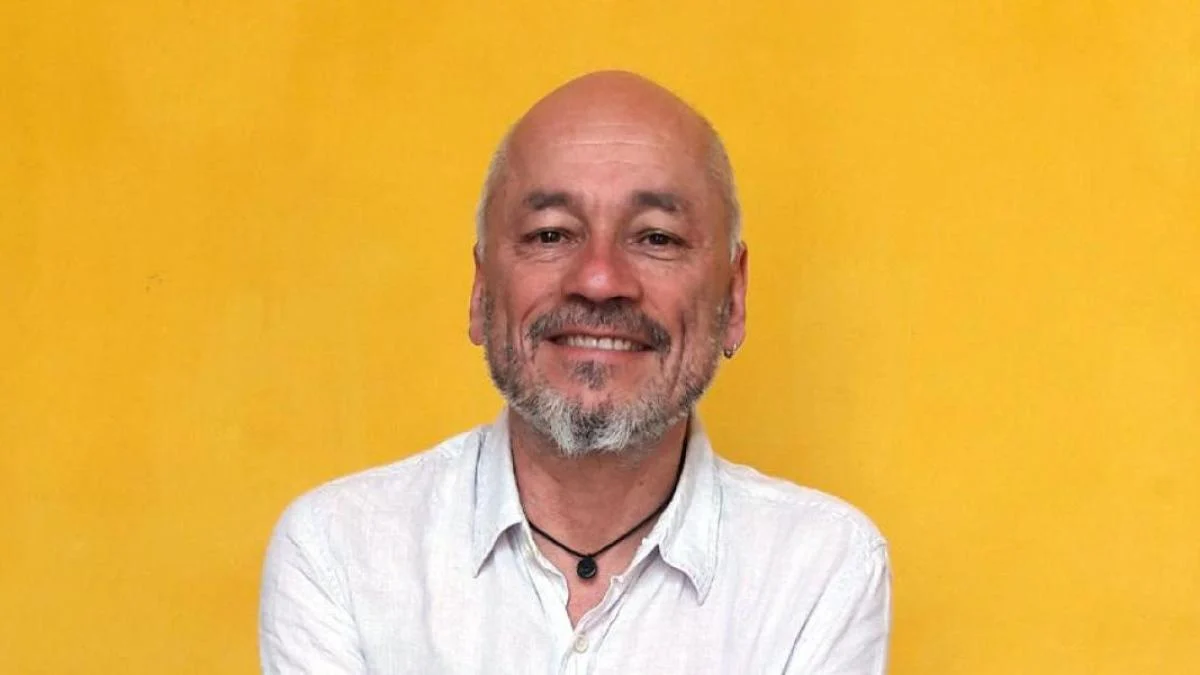

By Óscar Acevedo
The arrival of Rosalía in Bogotá for her double-date residency at the Movistar Arena was not merely a concert series; it was a cultural phenomenon that redefined the parameters of live performance in South America. Accompanied by an immense logistical apparatus—a troupe of 90 professionals ranging from technicians to artistic directors—the Spanish sensation transformed the venue into a multisensory cathedral. As a critic and musician observing the spectacle, one cannot help but feel overwhelmed by the sheer scale of the production, a "concert-ritual" that suggests the contemporary pop star has evolved into something closer to a modern-day deity.

The Architecture of a Ritual: Staging and Visual Language
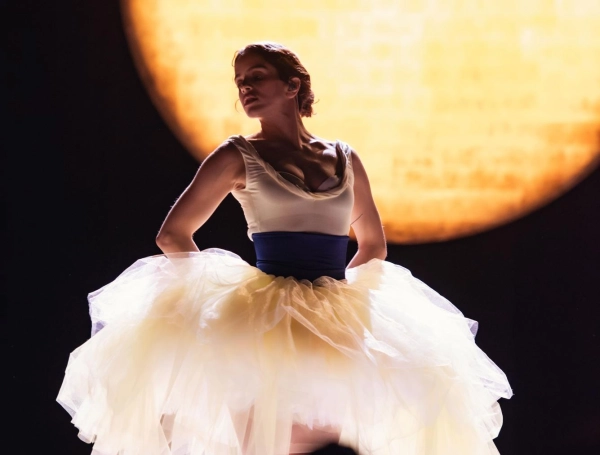
The visual narrative of the performance was heavily steeped in religious iconography, a deliberate choice that elevated the concert from a standard musical show to a theatrical liturgy. The stage design featured a central platform configured in the shape of a crucifix, upon which the orchestra was positioned, effectively framing the music as a sacred offering.
Rosalía’s aesthetic choices further cemented this theme. Throughout the night, she adorned herself with white crowns and, at one pivotal juncture, a set of colossal feathered wings that commanded the attention of every soul in the arena. The minimalist yet highly symbolic set design—characterized by stark white staircases that seemed to lead toward an ethereal ascent—provided a clean, almost antiseptic backdrop that allowed the performer’s presence to dominate the space.

The audience, too, participated in this ritual. Many attendees appeared as mirrors of the star, dressed in rebozos, camándulas, and flowing white tunics. This homogeneity of dress among the crowd turned the arena into a living, breathing extension of the stage, blurring the lines between the performer and the collective.
Chronology of a Sonic Revolution
The experience at the Movistar Arena unfolded as a meticulously paced journey through sound and symbol.
- The Opening Overture: The atmosphere was set by an overwhelming auditory assault—deep, resonant bass frequencies and percussive bombs that literally shook the structural foundations of the arena.
- The Mid-Set Transformation: As the show progressed, the integration of technology became more pronounced. Computer-synced audio samples—ranging from robotic vocal loops to intricate electronic textures—interwove with live instrumentation.
- The Multilingual Bridge: One of the most striking elements was the effortless transition between languages. Rosalía moved fluidly from Arabic to Italian, Spanish, Iberian youth slang, and Catalan. By providing translations on the massive screens, she removed linguistic barriers, fostering a sense of global inclusivity that resonated deeply with the Bogotá audience.
- The Climax: The performance reached its zenith during a choreography sequence where dancers surrounded the artist with long white gloves, creating circular, hypnotic movements. This moment, which drew clear stylistic parallels to the avant-garde work of La Fura dels Baus, marked the intersection of high-art theater and pop accessibility.
Supporting Data and Technical Nuances
To understand the magnitude of this production, one must analyze the technical components that made it possible. The use of an "intrusive" camera system was a masterstroke of stagecraft. By following the artist in real-time, the production team projected intimate, high-definition close-ups of her expressions and suggestive poses onto giant screens.
This technique achieved a dual purpose: it created an illusion of proximity for those in the back rows, and it reinforced the "divinization" of the performer. By constantly centering her image, the screens framed her as the singular protagonist of a narrative that was as much about her physical presence as it was about her "punishingly frank" lyrical content.
From a musical standpoint, the sonic landscape was a dense, complex tapestry. While the heavy electronic influence provided the necessary kinetic energy for a modern crowd, it occasionally threatened to overshadow the subtler nuances of her voice. Specifically, the artist’s frequent reliance on the falsetto technique, while stylistically consistent with her current aesthetic, at times seemed to limit the expressive range of her voice. In moments where she utilized her full, natural register, the emotional impact was arguably more profound, proving that even a goddess of pop must grapple with the physical limitations of her own instrument.
The Implications of "The Rosalía Phenomenon"
The success of these shows in Bogotá serves as a critical case study in the evolution of the global pop industry. Rosalía is not just a singer; she is a "recursive creator" who takes calculated risks, consistently pushing the boundaries of what is expected of a mainstream artist.

A Masterclass in Branding
By incorporating religious motifs, experimental theater, and a multi-ethnic linguistic palette, Rosalía has successfully branded herself as a figure who transcends local Spanish-speaking markets. Her ability to synthesize disparate influences—from traditional flamenco to avant-garde electronic music—into a cohesive, high-budget product is a testament to the current era of "total art" in music.
The Audience as Disciples
The implications for the live music industry are significant. Fans are no longer satisfied with merely listening to a performance; they seek to participate in an immersive experience. The "Rosalía ritual" demonstrates that there is a massive market for performances that offer a deeper, more thematic engagement. The venue is no longer just a place to hear songs; it is a space for congregation, identity expression, and shared transcendence.

The Critique of the Performative
However, the reliance on such heavy production also raises questions about the future of live music. As artists rely more on digital synchronization, giant screens, and choreographed movements to "divinize" their stage presence, is there a risk of losing the raw, unpolished connection that once defined live performance? The artist’s choice to use the falsetto is a stylistic one, but for the purist, it highlights a broader trend in pop music where aesthetic perfection is often prioritized over vocal versatility.
Conclusion: A New Standard for Live Entertainment
Rosalía’s residency at the Movistar Arena was a triumph of vision and execution. By blending the sacred with the profane, the ancient with the futuristic, and the personal with the political, she has established a new benchmark for what a pop concert can achieve.

She remains a figure of intense fascination—a performer who is acutely aware of her own myth-making. Her natural charisma, paired with a willingness to experiment with the very nature of her own fame, ensures that she will remain at the forefront of the cultural conversation for the foreseeable future. Whether one views her through the lens of a religious acolyte or a skeptical critic, the conclusion remains the same: the "Rosalía experience" is a testament to the power of the spectacle in the digital age, a mirror reflecting our own desire for beauty, divinity, and connection in a fractured world.
Oscar Acevedo is a veteran music critic and composer. For further insights on the intersection of music and culture, follow his ongoing work in the arts section.