By Edwin Caicedo, Environment and Health Correspondent
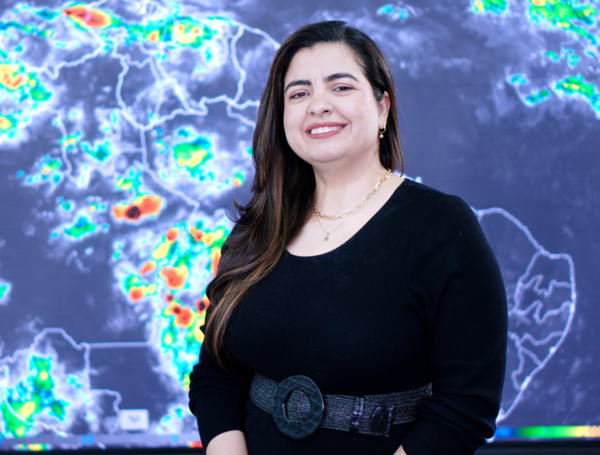
In January 2023, when scientist Ghisliane Echeverry Prieto took the helm of Colombia’s Institute of Hydrology, Meteorology and Environmental Studies (IDEAM), she inherited an institution grappling with profound technological obsolescence, severe financial constraints, and an operational framework that struggled to keep pace with the accelerating climate crisis.

Nearly four years later, as she prepares to step down, Echeverry leaves behind an institution that is fundamentally unrecognizable from the one she joined. Having navigated the turbulent environmental landscape of the Gustavo Petro administration, Echeverry hands over a modernized, data-driven entity. Yet, her departure comes at a hauntingly critical juncture: Colombia stands on the threshold of what models suggest could be the most intense El Niño phenomenon in recorded history.
The State of the Nation: A Climate in Flux
In an exclusive interview with EL TIEMPO, Echeverry offered a candid assessment of her tenure and a stark warning for the future of the nation. While she expresses pride in the structural reforms she spearheaded, her primary focus remains the looming climate emergency.

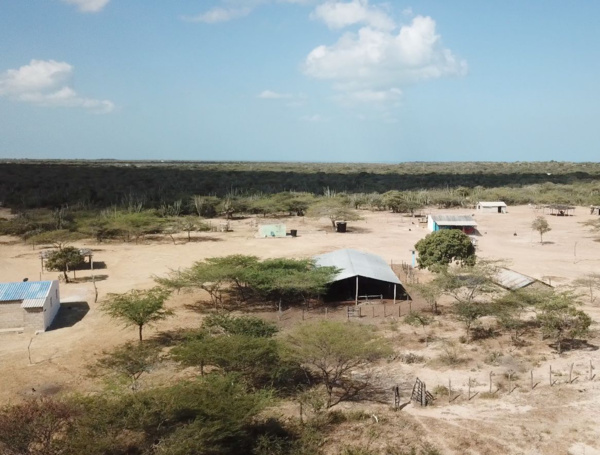
"What is currently manifesting in our models is, quite likely, the strongest El Niño phenomenon since instrumental records began," Echeverry stated. The Pacific Ocean has witnessed a rapid, anomalous warming, and the atmospheric indicators are now aligning with alarming speed. For a country already grappling with a warmer baseline climate, the compounding effect of El Niño is expected to push Colombia into uncharted territory.
A Chronology of Transformation: From Obsolescence to Innovation
When Echeverry took office, the IDEAM was operating with infrastructure that was, in many areas, two decades behind modern standards. Her administration’s strategy focused on three pillars: data acquisition, processing speed, and accessibility.
Phase 1: Technological Overhaul (2023-2024)
The early stages of her tenure were dedicated to replacing legacy systems. The institute faced frequent digital outages, which crippled its ability to provide real-time alerts. Echeverry prioritized the stabilization of digital platforms, which now boast an uptime of over 99%. Simultaneously, the institute invested heavily in the renewal of hydrological monitoring equipment, laboratory infrastructure, and the calibration of meteorological radar networks.
Phase 2: The Digital Revolution (2024-2025)
By mid-term, the focus shifted to data processing. Under the previous regime, critical data could take up to 60 days to reach stakeholders. Today, that window has been compressed into minutes. The introduction of proprietary artificial intelligence tools and a centralized mobile application for environmental data has democratized access to climate intelligence, moving the institute away from a reliance on static, periodic PDF bulletins toward a dynamic, live-data environment.
Phase 3: Scientific Institutionalization (2025-2026)
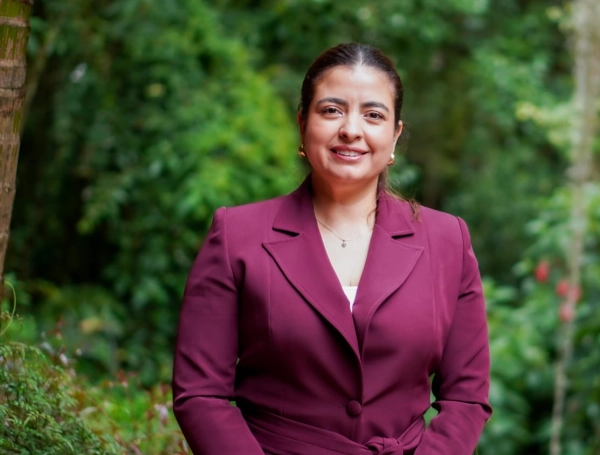
The final stage of her leadership saw the formal recognition of two research groups by the Ministry of Science. This marked a shift in the IDEAM’s identity, elevating it from a technical service provider to a recognized hub of scientific knowledge. This move was crucial for legitimizing the institute’s role in shaping international environmental policy and national climate strategies.
Supporting Data: The Indicators of a Changing Climate
The severity of the current climate scenario is not merely anecdotal. Echeverry points to the record-breaking temperatures consistently logged since May, particularly across the Caribbean region.
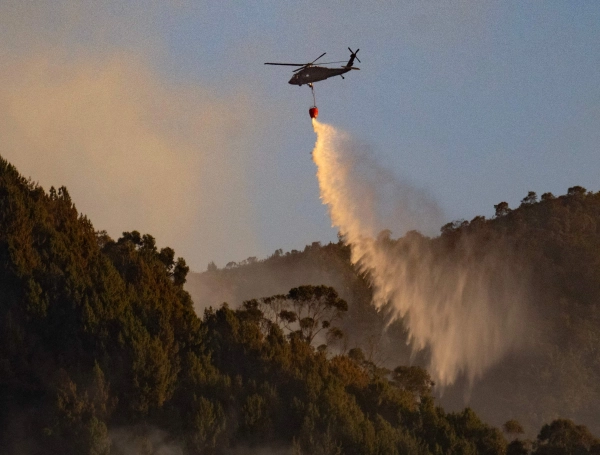
- Thermal Extremes: Almost every day, coastal municipalities have seen new historical maximums.
- Hydrological Stress: Projections for the upcoming peak of the El Niño (expected between December 2026 and February 2027) indicate a sharp reduction in water supply.
- Regional Impacts: While the Caribbean and Andean regions will face the most acute water shortages, the Amazon and Orinoquía regions face an unprecedented threat of wildfires due to the predicted prolonged drought.
"We are dealing with a double-edged sword," Echeverry explained. "We have the inherent variability of El Niño, but it is occurring in a global atmosphere that is significantly warmer than in previous decades. This means the impacts—whether we talk about fire risk, air quality degradation, or water scarcity—are amplified."
The Political Crossroads: The Future of IDEAM
Perhaps the most contentious aspect of Echeverry’s departure is the uncertainty regarding the institute’s future under the incoming political landscape. Suggestions from political circles regarding the potential reorganization or even the dissolution of the IDEAM have sparked alarm within the scientific community.

Echeverry was firm in her assessment of what such a decision would entail. "If you strip away the functions of the IDEAM, the country effectively becomes blind," she warned.
The Consequences of Institutional Weakening:
- Loss of Planning Capacity: Without the institute, the national and departmental government would lack the data to conduct water studies, map flood risks, or plan urban expansion.
- Climate Accountability: The IDEAM is the body responsible for national inventories of greenhouse gas emissions. Its removal would render Colombia unable to fulfill its international climate commitments, potentially inviting global sanctions or a loss of international cooperation funds.
- Shift to Reactive Governance: Without the early warning systems provided by the institute, the government loses the ability to act preventively. Disaster management would shift from proactive mitigation to a purely reactive, costly, and inefficient emergency response.
"When you have information in advance, you can save lives and protect infrastructure," Echeverry noted. "Without it, you are simply waiting for the disaster to strike."
Implications for the Future
The sustainability of the IDEAM is not merely a matter of technical capacity, but of financial continuity. Echeverry highlighted that many of the gains made during her tenure were funded through temporary international cooperation agreements. These resources, while helpful, do not provide the long-term stability required for an institution that must operate 24/7.
"Information is a continuous necessity," she asserted. "Maintaining a network of stations, radars, and software licenses is a permanent operational cost. If the funding is intermittent, the service becomes intermittent, and in the case of climate monitoring, that is a risk the country cannot afford to take."
Conclusion: A Legacy of Vigilance
As Ghisliane Echeverry prepares to leave her post, her message to the public and to her successor is one of urgent vigilance. She leaves behind a modernized, robust institution that has proven its worth in data accessibility and scientific rigor.
The challenge for the next administration will not be whether to maintain the IDEAM, but how to ensure its financial and political independence. As Colombia stares down the barrel of a potentially historic drought, the institute stands as the country’s primary line of defense. The question remains whether that line will be fortified or allowed to erode at a moment when the country needs its guidance more than ever.
Quick Facts: The Legacy of Echeverry
- Data Openness: 90% of current open-access data was digitized or made available during her term.
- Processing Efficiency: Reduced data analysis time from 30-60 days to mere minutes.
- Technological Shift: Transitioned the institute from 20-year-old legacy hardware to advanced, high-capacity processing nodes.
- Scientific Recognition: Secured first-time recognition for two research groups from the Ministry of Science.
- Operational Uptime: Stabilized critical digital infrastructure to over 99% availability.