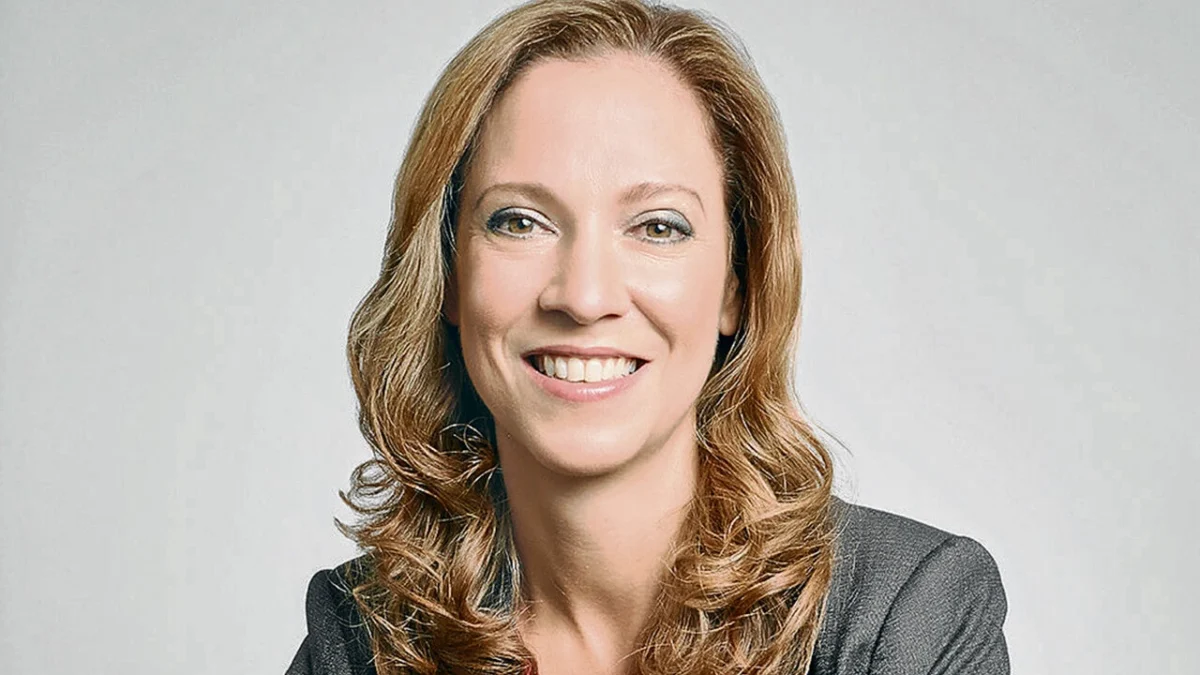
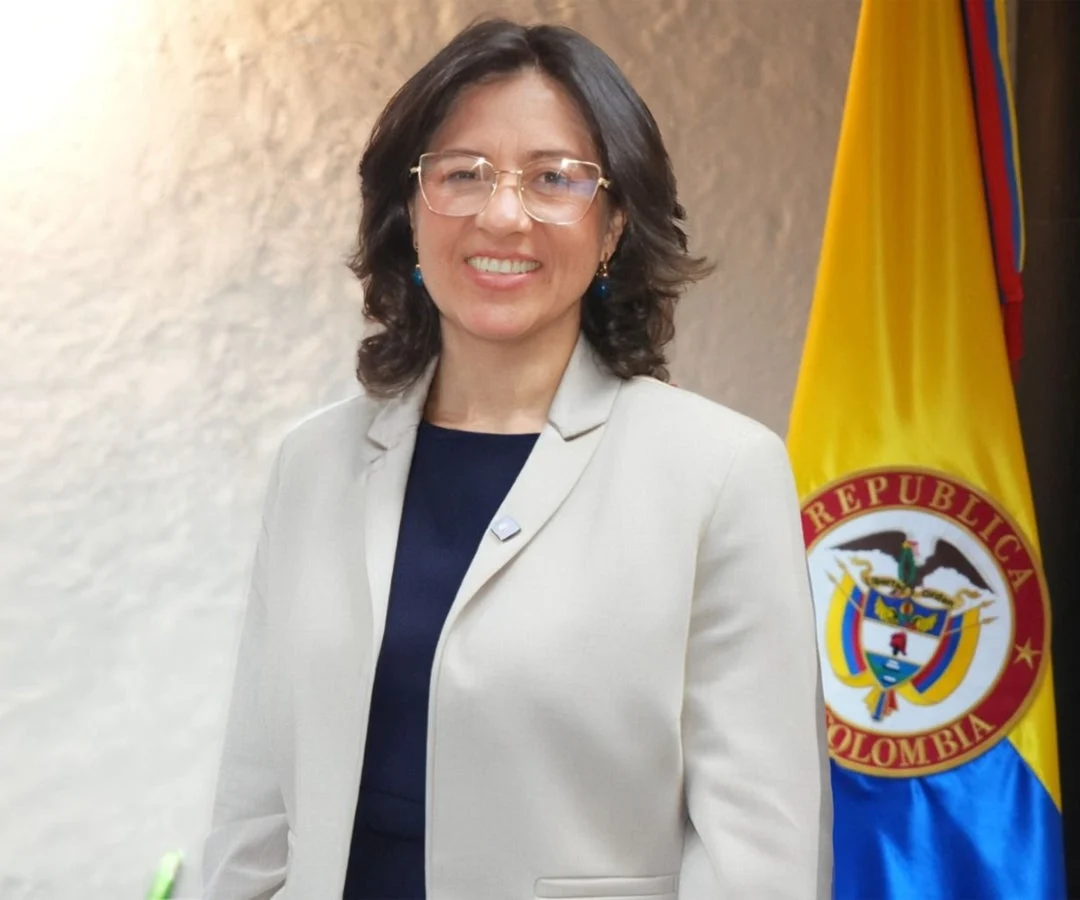
In a strategic move during the final weeks of the current administration, President Gustavo Petro has officially appointed Ruth Maritza Quevedo Fique as the Acting Minister of Housing, City, and Territory (MinVivienda). The appointment, formalised through Decree 0793 on July 22, 2026, comes at a critical juncture for Colombia as the country grapples with severe climatic shifts and the closing chapter of the "Total Peace" and "Life as a Priority" legislative agendas.
Quevedo Fique, a seasoned economist and a key architect of the administration’s water policies, steps into the role with a mandate to solidify the government’s legacy in social housing and, more urgently, to manage the national water crisis exacerbated by the El Niño phenomenon. Her elevation from the Vice Ministry of Water and Basic Sanitation to the head of the portfolio signals a shift in focus toward climate resilience and the decentralization of resource management in the administration’s twilight days.
I. Main Facts: A Strategic Transition in a Time of Crisis
The appointment of Ruth Maritza Quevedo Fique is not merely a personnel change but a tactical deployment of expertise. As the Petro administration enters its final weeks, the Ministry of Housing, City, and Territory faces the dual challenge of finishing major infrastructure projects and managing a declared national disaster.
The New Minister’s Profile
Ruth Quevedo Fique is an economist graduated from the National University of Colombia (Universidad Nacional de Colombia), an institution known for producing the country’s leading public policy thinkers. She is also a candidate for a Master’s degree in Urban and Regional Planning, a background that bridges the gap between macroeconomic theory and the practicalities of territorial development.
Before her appointment as Acting Minister, Quevedo served as the Vice Minister of Water and Basic Sanitation. Her career has been defined by a commitment to "Water as a Common Good," a philosophy that challenges traditional privatized models of utility management. She previously served as an expert commissioner and Executive Director of the Commission for the Regulation of Drinking Water and Basic Sanitation (CRA) during the early years of the Petro government.
The Immediate Mandate: Climate Resilience
The primary driver for this appointment is the urgent need to address the "National Disaster" status declared by President Petro. Colombia is currently facing the dual threat of a severe "El Niño" phenomenon—characterized by prolonged droughts and water scarcity—and the intermittent disruption of cold fronts (Frentes Fríos).
Quevedo’s role is to ensure that the Ministry of Housing does not just build structures but secures the essential services required to make those structures habitable. Her focus is on "early intervention" to prevent humanitarian crises in regions where water supplies are reaching critical lows.
II. Chronology: The Path to the Ministry
The journey of Ruth Quevedo Fique to the cabinet reflects the evolution of the Petro administration’s approach to urban and environmental justice.
2012–2015: The "Basura Cero" Era
Quevedo’s professional trajectory is deeply rooted in the "Bogotá Humana" mayoralty of Gustavo Petro. She was a key figure in the implementation of the "Basura Cero" (Zero Waste) policy. This ambitious project sought to transform waste management in the capital by formalizing the work of recyclers and reducing the environmental footprint of the city’s landfills. This period established her as a specialist in public services and social inclusion.
2022–2024: Regulatory Leadership
Upon Petro’s ascension to the presidency in 2022, Quevedo was appointed to the CRA. During her tenure, she focused on revising the tariff structures for water and sanitation to make them more equitable for low-income users and "historically forgotten territories." Her work at the CRA was instrumental in laying the regulatory groundwork for the government’s "Community Water Management" model.
2025–July 2026: Vice Ministry and Crisis Management
As Vice Minister of Water, Quevedo oversaw the expansion of the "Agua al Barrio" program, which aims to bring legal water connections to informal settlements. By early 2026, as the El Niño phenomenon intensified, she became the administration’s primary spokesperson on water conservation and the technical lead for the national contingency plan.
July 22, 2026: The Acting Ministry Appointment
With the administration nearing its end on August 7, 2026, Decree 0793 was signed. Quevedo was elevated to Acting Minister to ensure a seamless transition and to maintain the momentum of emergency response measures during the final fifteen days of the government’s term.
III. Supporting Data: The Scale of the Challenge
To understand the weight of Quevedo’s new role, one must look at the data surrounding Colombia’s current housing and water infrastructure.
The Water Deficit
According to data from the Ministry of Housing, approximately 12 million Colombians have inadequate access to drinking water, particularly in rural and peripheral urban areas. The El Niño phenomenon of 2025-2026 has reduced reservoir levels in the Andean region to below 35% capacity in certain sectors, threatening both human consumption and hydroelectric power generation.
"Basura Cero" and Circular Economy
During her career, Quevedo has championed the circular economy. Data from her previous initiatives suggests that formalizing recycling associations can divert up to 20% of waste from landfills while providing stable incomes for thousands of vulnerable families. Her appointment suggests that the "Zero Waste" philosophy will be a permanent fixture in the government’s closing urban policy recommendations.
Territorial Development
As a specialist in Urban and Regional Planning, Quevedo oversees a portfolio that has invested heavily in "Territorial Ordering around Water." This policy prioritizes environmental conservation over industrial expansion. Under this framework, the ministry has mapped over 500 municipalities where urban growth must be restricted to protect vital watersheds.
IV. Official Responses: A Vision for the Final Stretch
Upon assuming the role, Acting Minister Quevedo Fique emphasized that her tenure, though brief, would be intensive and focused on inter-agency coordination.
Strengthening Articulation
"I assume this challenge in the final stretch of the National Government with the purpose of strengthening articulation to address events like the Cold Front or the El Niño phenomenon early," Quevedo stated. She highlighted that the Ministry would act as a hub connecting the National Unit for Disaster Risk Management (UNGRD) with local mayors.
The Supply Mandate
Quevedo further elaborated on the gravity of the current environmental status: "At this moment, in which President Gustavo Petro announced the declaration of a national disaster due to the threat of El Niño, it is important to intensify coordination with various national and territorial entities. Our goal is to conduct strict monitoring that allows us to take key decisions aimed at ensuring the water supply across the national territory."
Commitment to Historically Forgotten Territories
The Minister also reaffirmed the administration’s ideological commitment to the peripheries. She noted that the "Management of Water as a Common Good" is not just a technical goal but a social one, ensuring that the Guajira, Chocó, and Amazonas regions—territories historically neglected by central infrastructure projects—remain at the forefront of the emergency response.
V. Implications: The Legacy and the Transition
The appointment of Ruth Quevedo Fique has significant implications for both the immediate future of Colombia and the long-term legacy of the Petro administration.
1. Continuity of the "Social Contract with Water"
By appointing a technical expert who shares the President’s vision of water as a public right rather than a commodity, the administration ensures that its core principles will not be diluted in the final days. Quevedo’s presence guarantees that the "Community Water Management" pilots—where local communities are empowered to manage their own small-scale aqueducts—will be documented and protected as a viable model for the incoming government.
2. Emergency Response as a Priority
The "National Disaster" declaration gives the Ministry extraordinary powers to reallocate funds and bypass certain bureaucratic hurdles to provide immediate relief. Quevedo’s deep knowledge of the CRA and regulatory frameworks means she is uniquely positioned to implement temporary tariff freezes or emergency subsidies for water trucking in drought-stricken areas.
3. Urban Planning and Climate Change
Quevedo’s background in regional planning suggests that the administration wants to leave behind a robust framework for "Climate-Smart Cities." This involves moving away from high-density developments in water-scarce areas and promoting "Sponge Cities" that can better handle the extreme weather cycles of the 21st century.
4. The Political Transition
As the new government prepares to take over in August, Quevedo will be responsible for the "Empalme" (handover) process. Her role is to present a clear, data-driven account of the state of Colombia’s housing and water sectors. Given her academic and technical pedigree, she is expected to provide a transition that emphasizes technical continuity over political friction.
5. Finalizing "Basura Cero" at a National Scale
The Ministry is expected to release a final set of guidelines regarding the national implementation of circular economy principles in waste management. Quevedo’s appointment is a signal to the waste-picking unions and environmental advocates that the government’s commitment to these groups remains steadfast until the final hour.
Conclusion
Ruth Maritza Quevedo Fique’s appointment as Acting Minister of Housing, City, and Territory represents a convergence of technical expertise and ideological alignment. In the high-stakes environment of a national disaster and a presidential transition, her leadership will be defined by how effectively she can protect Colombia’s most vulnerable populations from the parching effects of El Niño. While her time in the role may be measured in weeks, the decisions made under her watch regarding water sovereignty and territorial planning will likely resonate for years to come.