By Angie Rodríguez | July 22, 2026
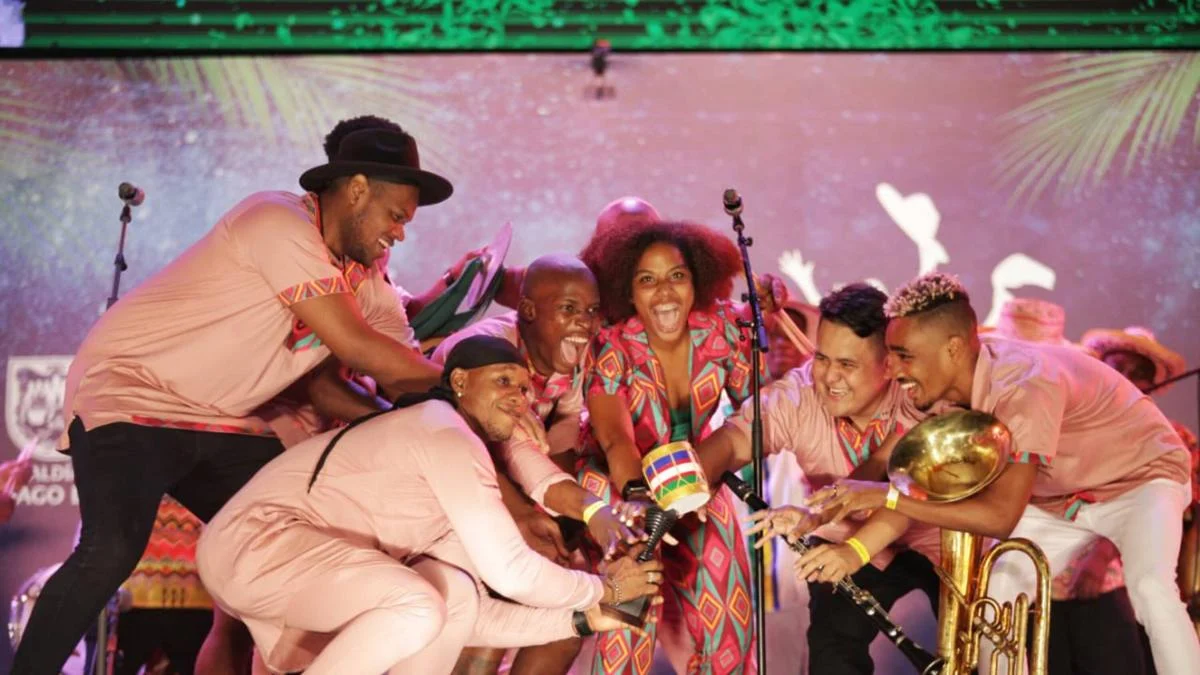
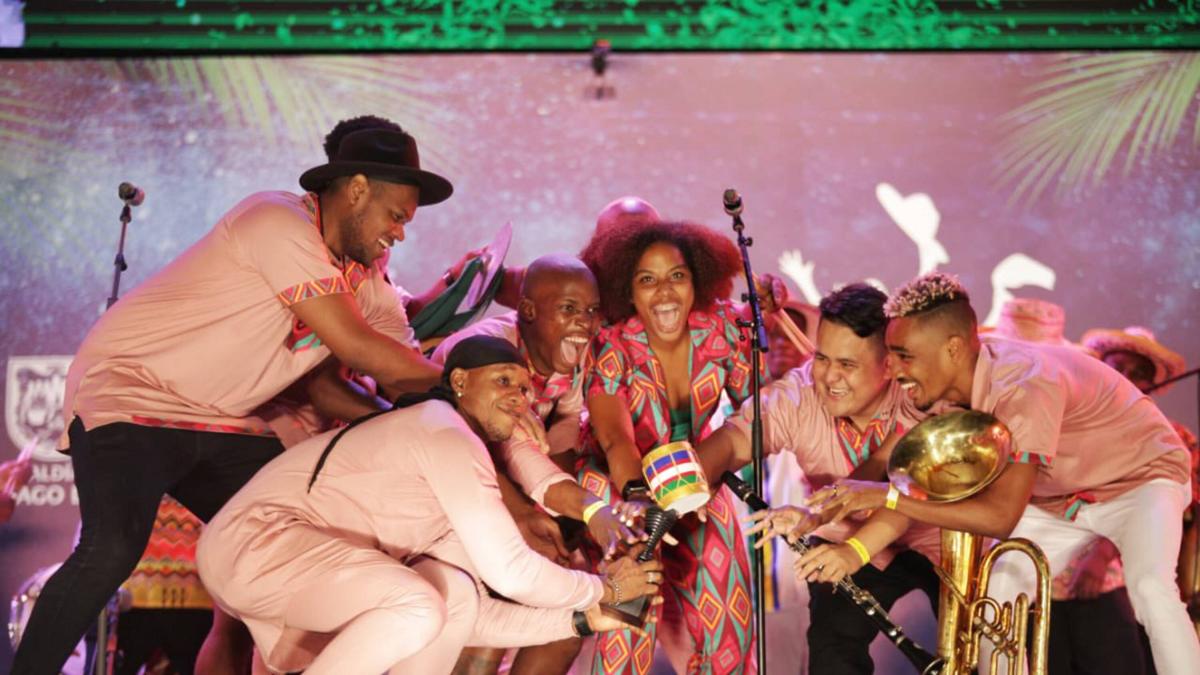
The city of Cali, Colombia, is preparing to cement its position as the epicenter of Afro-descendant culture and political discourse in the Americas. As the iconic Petronio Álvarez Festival celebrates its 30th anniversary from August 12 to 16, 2026, the event will undergo a historic transformation: the inaugural inclusion of the Global Afro-Diasporic Summit.
This unprecedented convergence is set to bring together a powerful coalition of international leaders, government officials, academic luminaries, and private sector pioneers. While the Petronio Álvarez Festival has long been celebrated as the heartbeat of Pacific Colombian culture, this year’s expansion signifies a shift toward a more strategic, high-level engagement regarding the future of the African diaspora.
The Genesis of a Global Dialogue: Main Facts
The 30th edition of the festival is not merely a celebration of music, gastronomy, and ancestral traditions; it is a declaration of political and economic intent. The Global Afro-Diasporic Summit aims to bridge the gap between cultural heritage and institutional development.
More than 60 prominent Afro-descendant leaders and approximately 50 mayors from across the globe are confirmed to attend. The core mission is to establish a permanent platform for collaboration, focusing on the systemic challenges and unique opportunities facing Afro-descendant populations in the Americas and the Caribbean.
The summit will function as a nexus where policy meets culture. By embedding these discussions within the framework of the Petronio Álvarez—a festival that attracts hundreds of thousands of attendees annually—the organizers intend to make the discourse on racial equity and economic development accessible and grounded in the lived realities of the community.

A Chronology of the Petronio Álvarez: From Local Roots to Global Influence
To understand the significance of this year’s summit, one must look at the evolution of the Petronio Álvarez Festival, which has served as a beacon for cultural resistance and pride for three decades.
- 1997: The inaugural festival is held in Cali, created to honor the legacy of Petronio Álvarez Quintero, a musician and composer who epitomized the spirit of the Colombian Pacific.
- 2000s: The event expands its scope, becoming the most important festival of Afro-Colombian music in the country, highlighting marimba, chonta, and traditional vocal expressions.
- 2015-2020: The festival receives international acclaim, recognized by UNESCO and other cultural bodies as a vital space for the safeguarding of intangible cultural heritage.
- 2024: Discussions begin regarding the need to move beyond purely cultural manifestations toward an agenda of political and economic empowerment.
- August 12-16, 2026: The 30th anniversary marks a watershed moment. The integration of the Global Afro-Diasporic Summit represents the professionalization of the festival’s advocacy efforts, shifting from a celebratory model to a hybrid of celebration and international summitry.
Supporting Data: Why the Afro-Diaspora Matters
The economic and political weight of the African diaspora is often underestimated in traditional policy circles. The summit organizers have highlighted several key metrics that underpin the necessity of this meeting:
- Cultural Industry Potential: The "orange economy" (creative industries) within Afro-descendant communities contributes significantly to the GDP of nations across the Americas. The summit will feature workshops on how to scale these industries through international investment.
- Leadership Density: With over 60 global leaders in attendance, the summit provides a unique opportunity for horizontal diplomacy—peer-to-peer networking between mayors and policymakers from cities with high concentrations of Afro-descendant populations.
- Social Inclusion Gaps: Despite cultural richness, these communities continue to face systemic disparities in education and formal employment. The agenda explicitly targets "economic development" as a mechanism to close these gaps.
- Regional Integration: By inviting representatives from across the Caribbean and the Americas, the summit aims to facilitate the exchange of public policies that have successfully reduced poverty and improved social mobility in diverse regions.
Official Responses and Strategic Vision
The vision for the summit is rooted in a philosophy of "active reconciliation." Julián Eduardo Arteaga, the Secretary of Culture of Cali, articulated the municipal government’s ambition during a recent press briefing.

"The Petronio is a living festival that continues to reconcile our citizenry and safeguard the cultural heritage of the Colombian Pacific," Arteaga stated. "This is the first time we are leading a dialogue on the future of Afro-descendants, their opportunities, and their capabilities from within the Petronio. We are not just hosting a party; we are serving as a platform for global connection."
The local government views this as a vital step in "branding" Cali as a global hub for Afro-descendant affairs. By hosting international mayors, the city hopes to attract foreign direct investment and create bilateral cooperation agreements that could last well beyond the five-day event.
Implications: The Road Ahead
The inclusion of the Global Afro-Diasporic Summit carries profound implications for the future of the festival and the city of Cali.

Strengthening Global South Cooperation
The summit is designed to foster a "South-South" dialogue. By connecting the experiences of communities in the Colombian Pacific with those in Brazil, the United States, and across the Caribbean, the event challenges the traditional North-South development paradigm. It suggests that solutions for social inclusion should be co-created by those who possess the lived experience of the diaspora.
Economic Empowerment Through Culture
One of the most anticipated outcomes of the summit is the focus on "industries of the future." The organizers have explicitly included sessions on the digital economy, sustainable tourism, and creative entrepreneurship. The goal is to move the conversation from "heritage preservation" to "economic self-determination," ensuring that the creative labor of Afro-descendant artists and artisans is protected and monetized effectively on a global stage.
The Institutionalization of the Summit
Perhaps the most ambitious goal is for the Summit to become an annual or biennial institution. The organizers are currently working on a "Cali Charter," a document intended to be signed by the participating leaders to establish a standing secretariat for the Global Afro-Diasporic Summit. If successful, this would mean that the work begun in August 2026 will continue year-round, with Cali serving as a permanent secretariat for regional policy coordination.

Challenges and Critiques
While the enthusiasm is palpable, the success of the summit will be measured by its tangible outcomes. Skeptics point to the history of "summitry," where high-level discussions often fail to trickle down to the grassroots communities that need them most. To mitigate this, the organizers have integrated the summit into the public festival spaces, ensuring that the dialogue is not confined to closed-door hotel conference rooms but is visible to the thousands of festival-goers.
Conclusion: A New Era for the Pacific
As the countdown to August 12 begins, Cali is transforming. The city’s streets, usually filled with the sounds of the currulao and the aroma of traditional Pacific cuisine, will now also be filled with the buzz of diplomatic activity.
The 30th anniversary of the Petronio Álvarez Festival is set to be a transformative moment. By blending the soul of the Pacific with the strategy of global governance, the event is positioning itself as a template for how cities can leverage their cultural identity to drive political and economic change.

Whether the Global Afro-Diasporic Summit will result in long-term policy shifts remains to be seen. However, by bringing the world’s attention to the realities and the untapped potential of the Afro-descendant population, Cali has already achieved a significant victory: it has placed the future of the diaspora at the center of the international conversation.
For ongoing coverage of the 30th Petronio Álvarez Festival and updates on the Global Afro-Diasporic Summit, follow our special coverage on El Tiempo’s digital platforms and subscribe to our weekly newsletter for exclusive insights from the ground in Cali.