By Sports Editorial Desk
Madrid, July 21, 2026
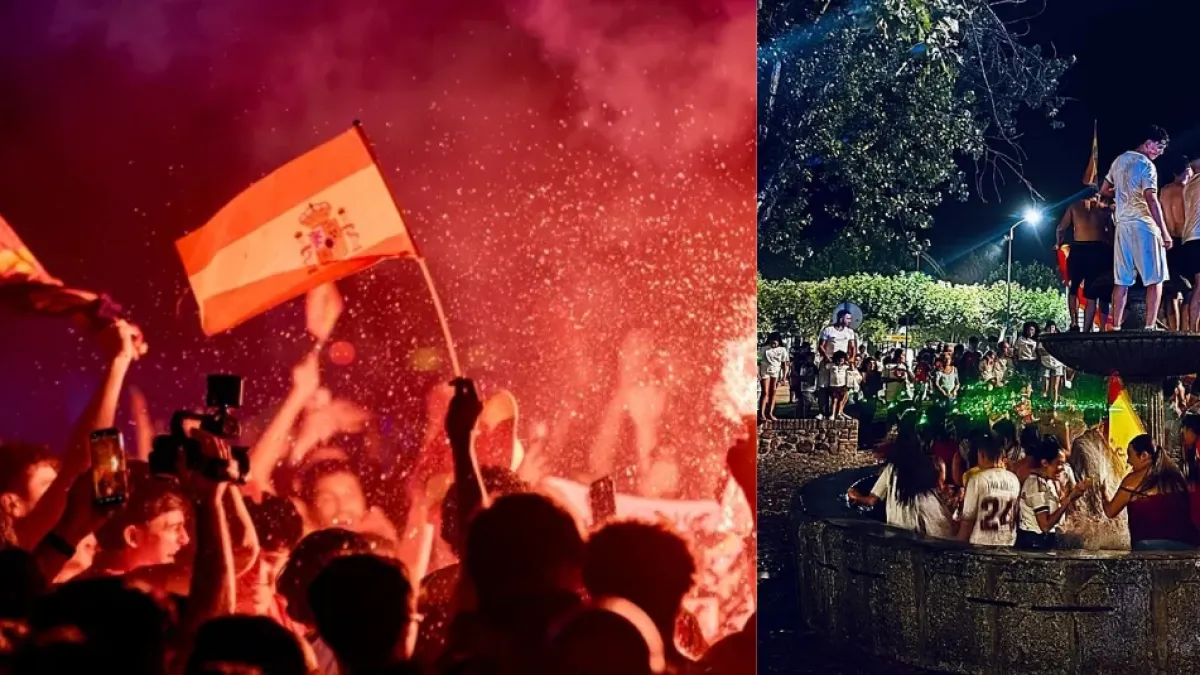
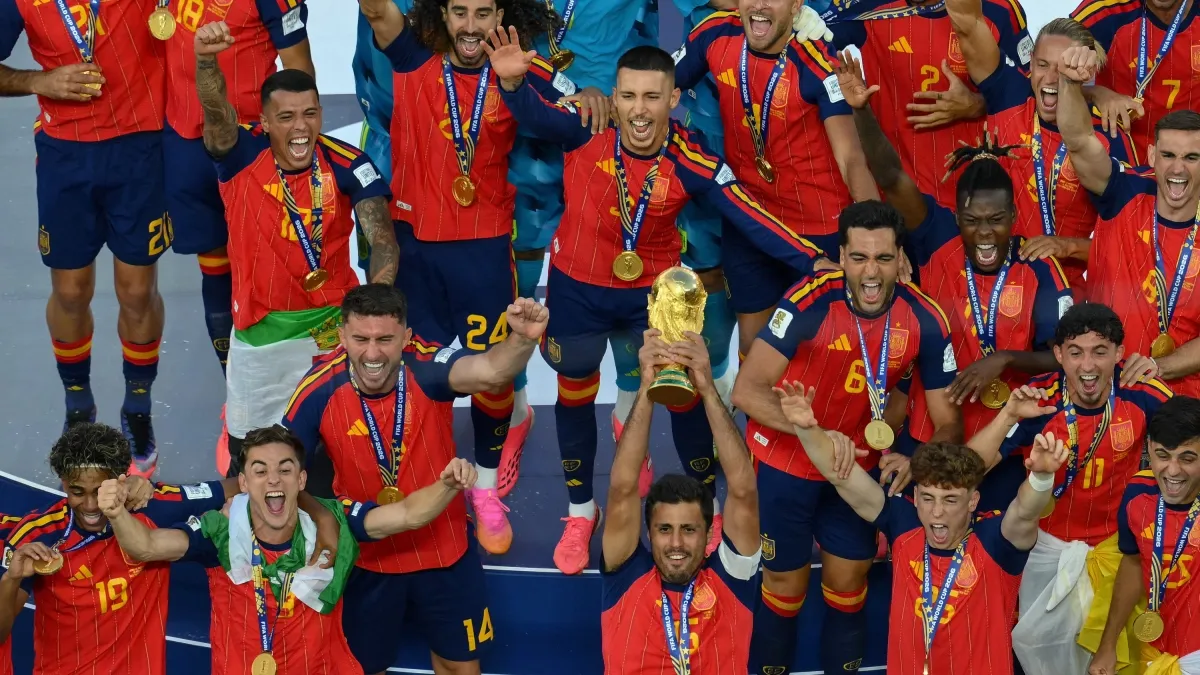
The streets of Madrid became the epicenter of the sporting universe this week, as an estimated two million people converged on the Spanish capital to welcome home their national heroes. Following a grueling and spectacular tournament in the United States, the Spanish national football team returned home as the undisputed kings of the world, having defeated Argentina in a final that will be etched into the annals of football history for generations to come.
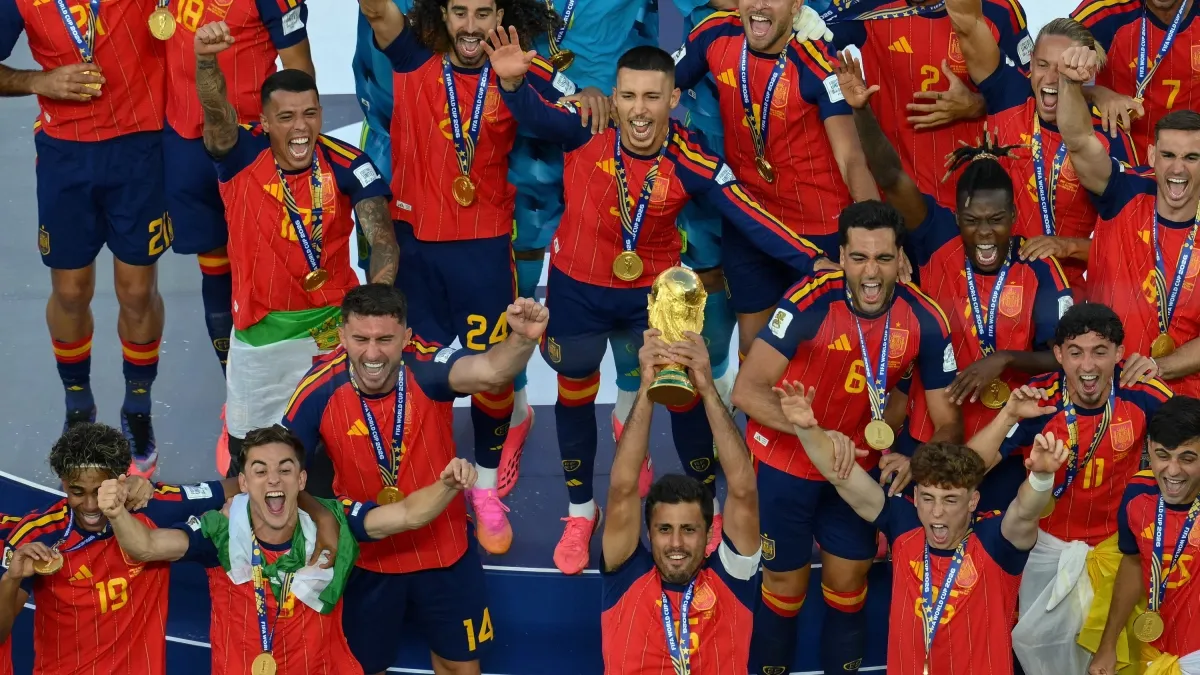
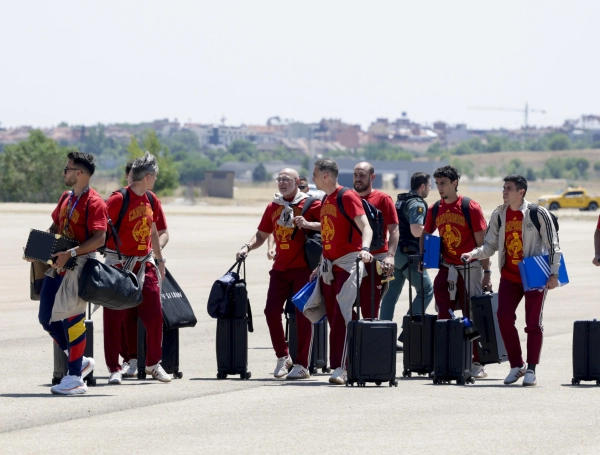
From the moment the charter flight touched down at Adolfo Suárez Madrid–Barajas Airport, the atmosphere was one of unbridled national pride. What followed was a day of emotional homecoming, royal recognition, and a jubilant procession through the city’s most iconic arteries, culminating in a night of celebration at the legendary Cibeles Fountain.
A Royal Welcome: The First Official Honors
Before the masses could claim their champions, the team—led by captain and the tournament’s standout performer—made their first stop at the Zarzuela Palace. King Felipe VI, a fervent supporter of Spanish sports, greeted the squad with the warmth reserved for national icons.

"It has been an epic triumph," the King remarked during the private ceremony. "You return perhaps a bit battle-worn, having weathered your fair share of criticism, but what is all that compared to the joy of bringing the World Cup home? You are a stellar and legendary collective."
The meeting, also attended by Prime Minister Pedro Sánchez, underscored the unifying power of the victory. In a country often characterized by regional diversity, the 2026 World Cup trophy acted as a singular magnet for national identity. The King reminded the players that their success was not just a personal or professional achievement, but a gift to "all of Spain," a sentiment that resonated deeply with the millions watching the broadcast live.

Chronology of a Historic Day
The logistical operation to manage the celebration was unprecedented. Following the official reception, the squad boarded two open-top buses, transforming the solemnity of the palace visit into a high-energy, public celebration.
- 10:00 AM: The team arrives at the airport, greeted by a flurry of flashbulbs and chanting airport staff.
- 12:00 PM: Private audience with King Felipe VI and Prime Minister Pedro Sánchez at the Zarzuela Palace. The team presents the golden trophy to the Crown.
- 2:30 PM: The victory parade begins. The bus caravan moves slowly through the central streets of Madrid, draped in red and yellow flags.
- 6:00 PM: The crowd density reaches its peak. Security forces report over two million people lining the route from the city center to the Cibeles plaza.
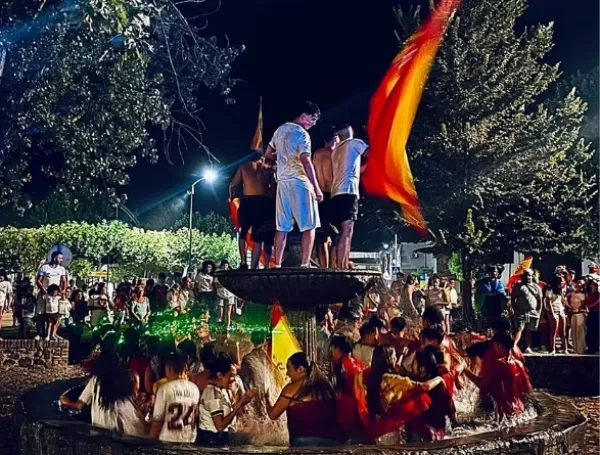
- 9:00 PM: The players reach the stage at Cibeles. The city’s fountain, traditionally the site of Real Madrid’s celebrations, is reclaimed as the home of the national team.
- 11:30 PM: The official ceremony concludes with a concert by pop sensation Aitana, whose hit song "Superestrella" has become the de facto anthem of this World Cup cycle.
Supporting Data: The Magnitude of the Crowd
The delegation of the Government in Madrid confirmed that this was one of the largest public gatherings in the city’s modern history. With an estimated two million attendees, the streets were a sea of red jerseys and scarves.
"They deserve for us to be here supporting them, and giving back a little of the affection they transmit to us in every match, the strength they show on the pitch," said Pablo Perello, a 33-year-old banking professional who had taken the day off work to witness the spectacle. His sentiment was shared by thousands of families, students, and elderly citizens who turned out in the sweltering July heat.
The economic and social impact of this victory is expected to be significant. Beyond the immediate celebration, the "World Cup Effect" is predicted to boost youth participation in football academies across the country. The visual of stars like Lamine Yamal and Nico Williams dancing atop the buses, shirtless and beaming, created an image of youth and vitality that has become the defining brand of this new Spanish generation.

Official Responses and Tactical Reflection
Manager Luis de la Fuente, who faced immense pressure and intense scrutiny throughout the qualifying rounds and the tournament, appeared visibly emotional during the parade.
"We are lucky to have 26 fantastic people who are also, quite simply, the best in the world," De la Fuente stated. "It is an honor for me. Together, we are stronger." His words signaled a shift in the narrative; the team that was once questioned for its tactical rigidity had evolved into a cohesive, unstoppable force.
Ferrán Torres, the architect of the winning goal in the final, echoed the humble yet triumphant spirit of the squad. "Winning with your country is the most beautiful thing there is, especially a World Cup," Torres said. "To lift the trophy, and to be able to do it here, celebrating with all the Spanish people—it is the greatest thing you can achieve in football."
Implications for the Future of Spanish Football
The 2026 title serves as a validation of the technical project that the Royal Spanish Football Federation has been nurturing for years. While other nations struggle with aging rosters or coaching instability, Spain has successfully integrated world-class talent with a renewed tactical flexibility.
The Changing of the Guard
The success of this tournament has already begun to trigger a "new world order" in international football. As analysts look toward the next cycle, the performance of Spain’s young core suggests they will be the team to beat for years to come. The victory has also led to a frantic search for answers among rival nations, with several major footballing powers already signaling managerial shake-ups in the wake of their own tournament disappointments.
Social Cohesion and the "Superestrella" Phenomenon
Beyond the pitch, the cultural impact of this win cannot be overstated. The choice of Aitana’s "Superestrella" as the team’s unofficial anthem—a song that played on loop throughout the parade—highlights how deeply the team is connected to contemporary Spanish pop culture. The music, the fashion, and the social media presence of the players have bridged the gap between the traditional sporting fan and the younger Gen-Z audience.

Conclusion: A Night to Remember
As the clock struck midnight on July 21st, and the lights dimmed over the Cibeles fountain, the reality began to sink in for the fans: Spain is, once again, the world champion. The images of the players hoisting the trophy under the Spanish night sky will remain in the collective memory as a symbol of unity, perseverance, and, ultimately, sporting excellence.
For the city of Madrid, the celebration was not just about a trophy; it was about the catharsis of a long, arduous journey to the top of the mountain. Whether or not the team maintains this dominance in the future, the 2026 World Cup victory has secured their place as legends, not just in the history of Spanish football, but in the heart of a nation that, for one glorious day, stood perfectly still to cheer for its heroes.

This report was compiled using on-the-ground verification and reporting from AFP and the El Tiempo editorial team.