By Edwin Caicedo, Environmental and Health Correspondent
Published: July 15, 2026
In the heart of the bustling concrete landscape of Bogotá, a silent, critical infrastructure sustains the city’s climate balance, biodiversity, and water health: its urban wetlands. These ecosystems, often overlooked in the rush of urban development, act as the city’s "green lungs." Recognizing the growing threats to these vital spaces, the Faculty of Engineering at the Uniagustiniana has launched a pioneering initiative that bridges the gap between high-tech engineering and community-led environmental stewardship: HumedApp.
Main Facts: A Digital Shield for Fragile Ecosystems
HumedApp is more than just a mobile application; it is an integrated socio-technological ecosystem designed to catalyze the protection of Bogotá’s wetlands. Developed by the Mechatronics Engineering program at Uniagustiniana, the project addresses the critical disconnect between urban residents and the ecological health of their immediate surroundings.
At its core, the platform serves three primary functions:

- Real-time Monitoring: The application provides users with access to data regarding water quality, allowing for a transparent look at the environmental health of specific bodies of water.
- Citizen Surveillance: A robust reporting module empowers citizens to document and report "bad practices"—such as illegal waste dumping or improper sewage connections—directly to a centralized database intended for use by environmental authorities.
- Environmental Education: By integrating educational modules and "learning routes," the project aims to transform passive observers into active, informed defenders of the environment.
According to Professor Daniel Felipe Peñarete Moreno, lead researcher on the project, the initiative is built on the premise that you cannot protect what you do not understand. By democratizing access to environmental data, HumedApp aims to shift the narrative from neglect to stewardship.
Chronology of the Initiative
The journey of HumedApp is one of iterative development and deep community engagement.

- Early 2025: The initial conceptualization phase began, identifying the lack of accessible information as a primary barrier to wetland conservation. The team at Uniagustiniana conducted preliminary site visits to map out the most critical areas in Bogotá.
- Late 2025: The project moved from theory to development, with engineering students working on the software architecture and the calibration of water monitoring tools.
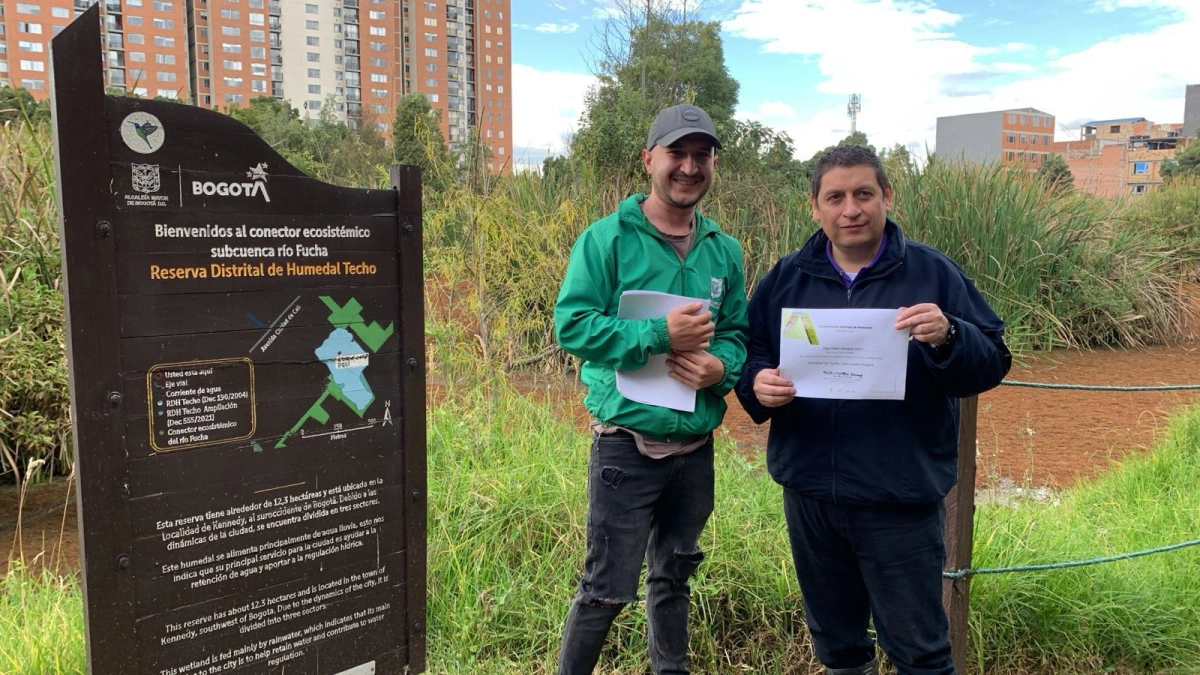
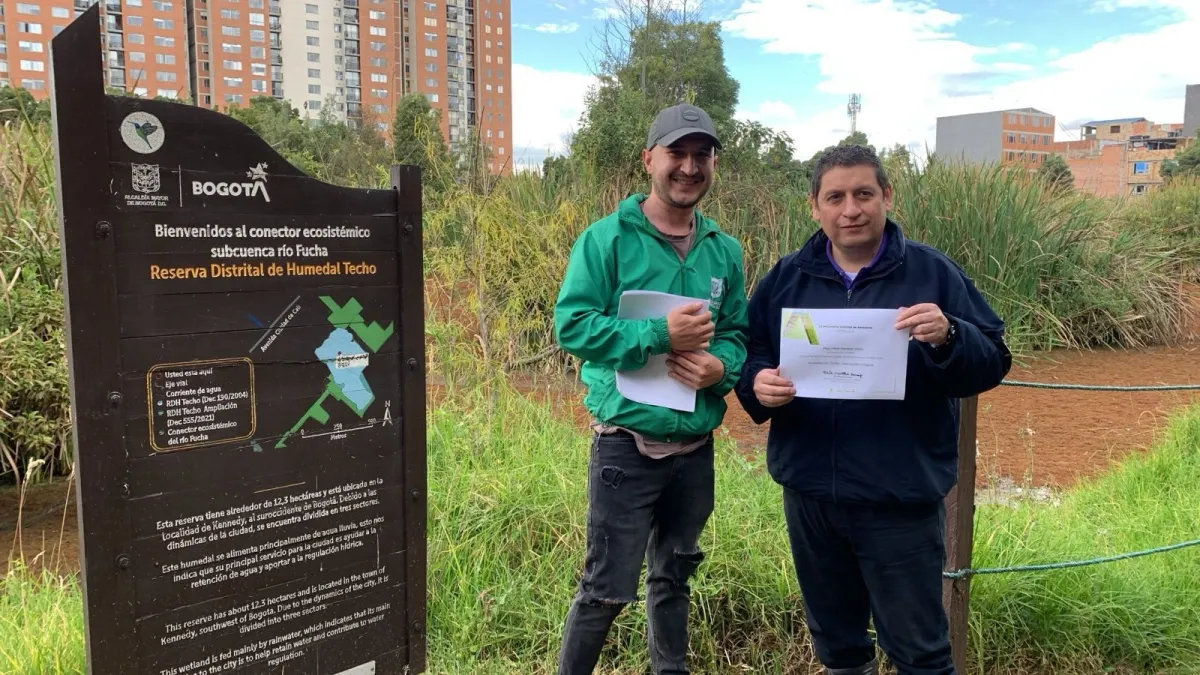
- January – April 2026: Beta testing began in key locations, specifically the Techo and El Burro wetlands. These sites were chosen for their ecological importance and their proximity to vulnerable urban populations.
- May 2026: A series of intensive community workshops were held to train local leaders and residents on how to use the tool, ensuring that the technology is accessible to all age groups and social strata.
- July 2026 (Present): The project is currently in an active implementation phase, with a growing user base and ongoing data collection that is already being used to inform local environmental policy.
Supporting Data: Why Wetlands Matter
The urgency behind HumedApp is grounded in hard science. Urban wetlands are not merely stagnant pools of water; they are sophisticated biological filters. They play an indispensable role in:
- Climate Regulation: Through evapotranspiration, these areas help mitigate the "urban heat island" effect, keeping the city cooler during intense heat waves.
- Flood Mitigation: They act as natural sponges, absorbing excess rainfall and preventing the overflow of urban drainage systems.
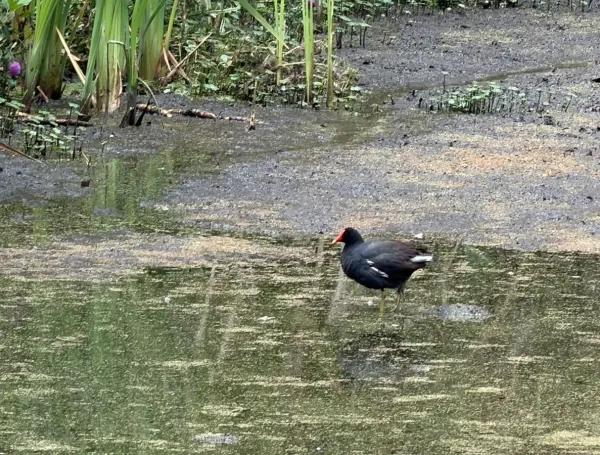
- Biodiversity Preservation: Many of these sites serve as essential waypoints for migratory birds and homes for endemic aquatic species, many of which are currently threatened by habitat fragmentation.
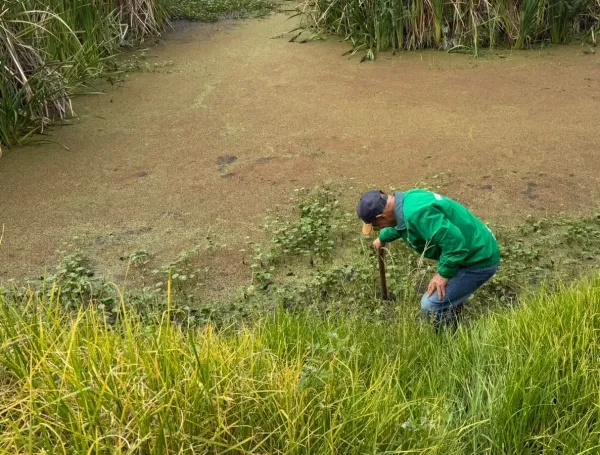
Despite these benefits, the reality is stark. Data collected during the development of HumedApp has highlighted significant challenges, most notably the prevalence of illegal waste disposal and "erroneous connections." As Professor Peñarete Moreno notes, many of these issues stem from a fundamental lack of awareness. Residents often unknowingly connect residential greywater pipes directly to the storm drains that feed into wetlands, leading to pollution that is preventable through better education and infrastructure management.
Official Responses and Academic Perspectives
The academic community has lauded the project for its interdisciplinary approach. By merging the technical rigor of Mechatronics with the sociological necessity of community appropriation, Uniagustiniana has set a new standard for university-led social responsibility projects in Colombia.
"The goal is not to police the wetlands, but to empower the people who live around them," explains the development team. The project has received backing from various institutional stakeholders who recognize that traditional top-down enforcement methods are often insufficient to cover the vast network of urban ecosystems in a city the size of Bogotá. By turning the citizenry into a distributed network of sensors and eyes, the project increases the frequency and accuracy of environmental reporting, allowing authorities to act with greater speed and precision.
Implications: From Local Pilot to Global Model
The implications of HumedApp extend far beyond the borders of Bogotá. As global urban centers grapple with the dual crises of rapid urbanization and climate change, the model of "participatory environmental monitoring" is becoming increasingly attractive.
1. Strengthening Social Capital
One of the most profound impacts of the project is the strengthening of the social fabric. By bringing neighbors together to participate in workshops and monitoring activities, the project creates a sense of shared ownership. When a community feels that a wetland is "theirs," the likelihood of neglect decreases significantly.
2. Data-Driven Policy
The information gathered by HumedApp is designed to be actionable. By digitizing reports of illegal dumping or water quality fluctuations, the project creates a historical record. This data can be presented to local administrative bodies (the Alcaldías Locales) to advocate for better infrastructure, such as the correction of sewage lines or the installation of proper waste management facilities.
3. Scaling the Solution
The success in the Techo and El Burro wetlands is serving as a blueprint for expansion. The technical architecture of the application is designed to be modular, meaning it could theoretically be adapted for wetlands in other cities or even different types of ecosystems, such as urban forests or river corridors.
Looking Ahead: The Future of Urban Stewardship
As the project moves into the latter half of 2026, the focus will shift toward sustainability and long-term engagement. The team is currently exploring ways to integrate Artificial Intelligence to analyze the water quality data more effectively, potentially predicting contamination events before they become critical.
However, the human element remains the most vital component. The success of HumedApp will ultimately be measured not by the number of downloads, but by the measurable improvement in the health of the wetlands and the sustained engagement of the communities that surround them.
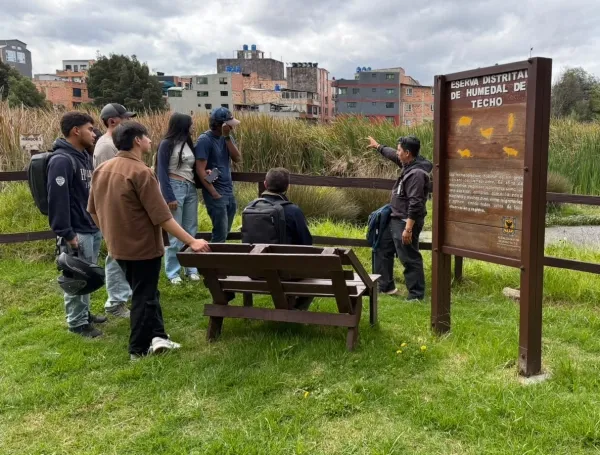
The initiative stands as a testament to the fact that when technology is placed in the service of the environment, and when the community is given the tools to act, the possibility of a sustainable urban future becomes not just an aspiration, but an achievable reality. The "green lungs" of Bogotá may have a new lease on life, thanks to a group of engineers who looked at a screen and saw, not just data, but the reflection of a living, breathing ecosystem in need of a helping hand.
For those interested in participating or learning more, the Uniagustiniana continues to host workshops and educational outreach sessions, inviting all citizens to be part of the solution in the fight to preserve the city’s natural heritage.