Date: July 4, 2026
Location: Caracas, Venezuela
Status: Ongoing emergency operations
Executive Summary: A Nation Staggered by Seismic Force
In what has been described as the most significant natural disaster to strike Venezuela in recent history, the nation remains in a state of profound shock and mobilization. Following two devastating seismic events that struck on Wednesday, June 24, 2026—with magnitudes of 7.2 and 7.5 respectively—the human and structural toll has climbed to staggering proportions.
As of the latest reports, at least 2,645 people have been confirmed dead, with the number of injured exceeding 12,000 individuals. Emergency response teams, bolstered by international humanitarian organizations, are currently engaged in a desperate race against time to locate survivors buried beneath the rubble of what was once vibrant urban infrastructure.
The Chronology of the Disaster: A Double Blow
The tragedy unfolded with terrifying speed on the morning of June 24. The seismic activity began with an initial shock of 7.2 magnitude, which caused immediate panic and structural weakening in the affected regions. While emergency protocols were being activated, a second, more powerful earthquake of 7.5 magnitude struck shortly thereafter, effectively turning the initial damage into a widespread humanitarian crisis.
- 08:15 AM (Local Time): The first seismic tremor (7.2 magnitude) strikes. Early reports indicate widespread panic and initial structural failures in low-to-mid-rise buildings.
- 09:45 AM (Local Time): A second, more violent tremor (7.5 magnitude) hits the same epicenter. This event causes the total collapse of weakened structures and complicates the movement of initial first responders.
- 12:00 PM (Local Time): National emergency protocols are fully activated. The Venezuelan government requests international support as local hospitals reach full capacity.
- June 25 – July 4: Sustained search-and-rescue operations continue across the affected zones, transitioning into a recovery and humanitarian relief phase as the window for finding survivors narrows.
Quantifying the Destruction: Data and Impact
The scope of the destruction is profound. Beyond the tragic loss of human life, the infrastructure of the impacted areas has suffered a blow that will likely take years to remediate.
Structural Damage
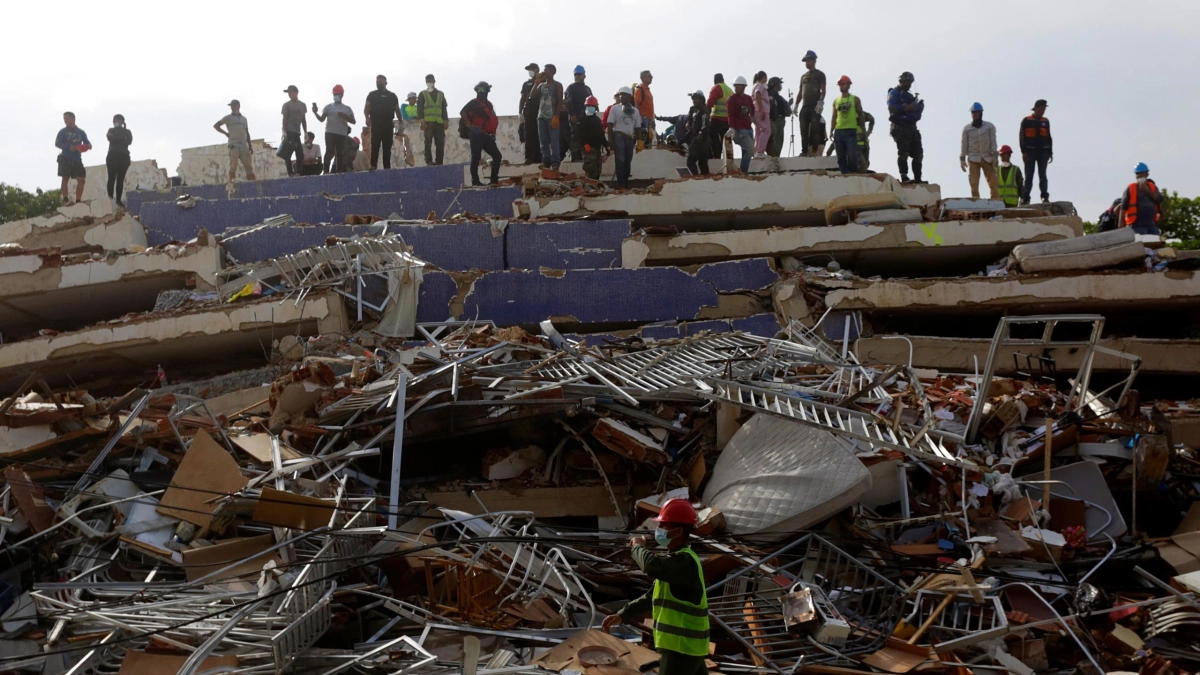
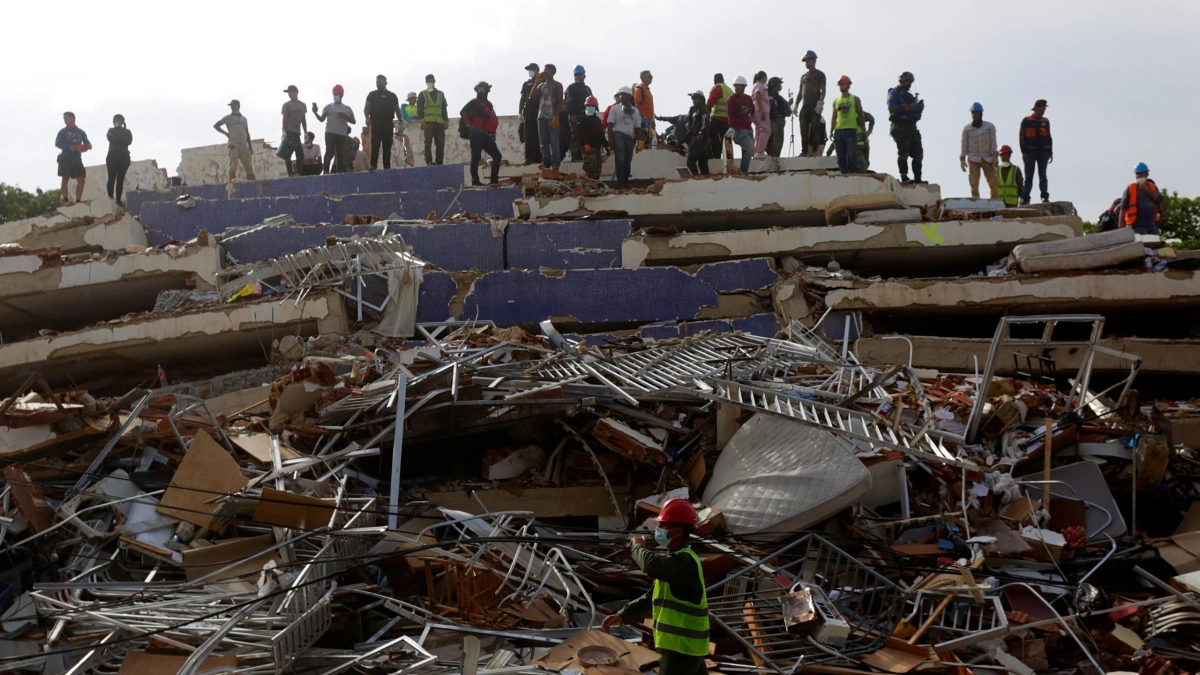
Official assessments indicate that 885 buildings were severely damaged during the twin quakes. Of these, 189 structures collapsed completely, leaving residents trapped or displaced. These figures encompass residential complexes, commercial hubs, and essential public infrastructure.

Humanitarian Displacement
The social impact of the earthquakes is equally devastating. Current records indicate:
- Displaced Persons: Over 15,050 individuals have been rendered homeless, seeking shelter in temporary camps and makeshift stations established by the government and NGOs.
- Families Assisted: Approximately 86,117 families have received some form of assistance, ranging from emergency medical care to food, water, and sanitation supplies.
The sheer volume of those in need has strained local resources to their breaking point, necessitating the intervention of the United Nations and various international aid agencies to manage the distribution of life-saving provisions.
Official Responses and International Cooperation
The Venezuelan government, under immense pressure, has declared a state of emergency in the most affected regions. President and state officials have issued calls for national unity, urging citizens to follow official guidance as rescue operations continue.

The Role of the United Nations
The UN has moved swiftly to mobilize aid. A spokesperson for the organization confirmed that massive shipments of emergency medical kits, water purification systems, and temporary housing materials are being funneled into the country. "The priority remains the preservation of life," the UN mission stated. "We are working in close coordination with local authorities to ensure that aid reaches the most vulnerable, particularly those in remote or difficult-to-access areas."
Local Response and Civil Society
The spirit of the Venezuelan people has been a focal point of the recovery effort. Thousands of volunteers have joined professional search-and-rescue teams, using heavy machinery and, in many cases, their own hands to shift through the debris. Blood donation drives have seen record turnouts, and neighborhood committees have organized communal kitchens to feed those who have lost everything.
Long-term Implications: A Path to Recovery
The dual earthquakes of June 2026 will have lasting implications for Venezuela’s urban planning, economic stability, and social fabric.

1. Urban Infrastructure Reform
The widespread collapse of nearly 200 buildings raises critical questions regarding building codes and seismic resistance in Venezuela’s major cities. Experts are already calling for a comprehensive audit of all high-density residential buildings to prevent a repeat of this tragedy. Future urban development will likely require stricter enforcement of structural integrity standards.
2. Economic Burden
With thousands of homes destroyed and a significant portion of the workforce impacted, the economic fallout is expected to be significant. The government will need to navigate the costs of reconstruction while simultaneously supporting a displaced population. Economists suggest that the recovery phase will require international loans and structural assistance to avoid a protracted economic depression in the affected regions.
3. Psychological Impact
Beyond the physical scars, the psychological trauma of a disaster of this magnitude is immense. With over 2,600 lives lost and thousands injured, the collective grief of the nation is palpable. Public health experts are urging the implementation of large-scale trauma counseling services to assist survivors, particularly children who witnessed the destruction of their schools and neighborhoods.

Ongoing Efforts: A Message to the Public
As the nation moves into the second week following the disaster, the focus remains on the "minuto a minuto" (minute-by-minute) updates provided by state agencies and news organizations. Authorities emphasize that while the search for survivors continues, the safety of rescue workers is paramount due to the high risk of aftershocks.
Citizens are advised to:
- Stay Informed: Monitor official channels for updates on safe zones and relief distribution centers.
- Practice Caution: Avoid entering buildings that have been marked as structurally unstable by engineering teams.
- Contribute Safely: Coordinate with authorized NGOs for donations to ensure that aid is distributed efficiently and effectively.
A Nation United
The image of the Venezuelan flag draped over the rubble of collapsed buildings has become a symbol of both the tragedy and the resilience of its people. While the path to recovery will be arduous, the ongoing efforts by first responders, international partners, and the citizens themselves serve as a beacon of hope.

The international community continues to watch closely as Venezuela navigates this crisis. As more data is gathered and the verification process continues, the full extent of the disaster will become clearer. For now, the priority remains clear: to honor the memory of those lost by doing everything possible to protect the living and rebuild a future from the ruins.
For the latest updates and continuous coverage of the situation, stay tuned to our live reports and digital alerts. We remain committed to providing verified and comprehensive information as the situation evolves.