By Digital Reach Desk
Updated: November 6, 2026
Main Facts: State Intervention and the Road to Freedom
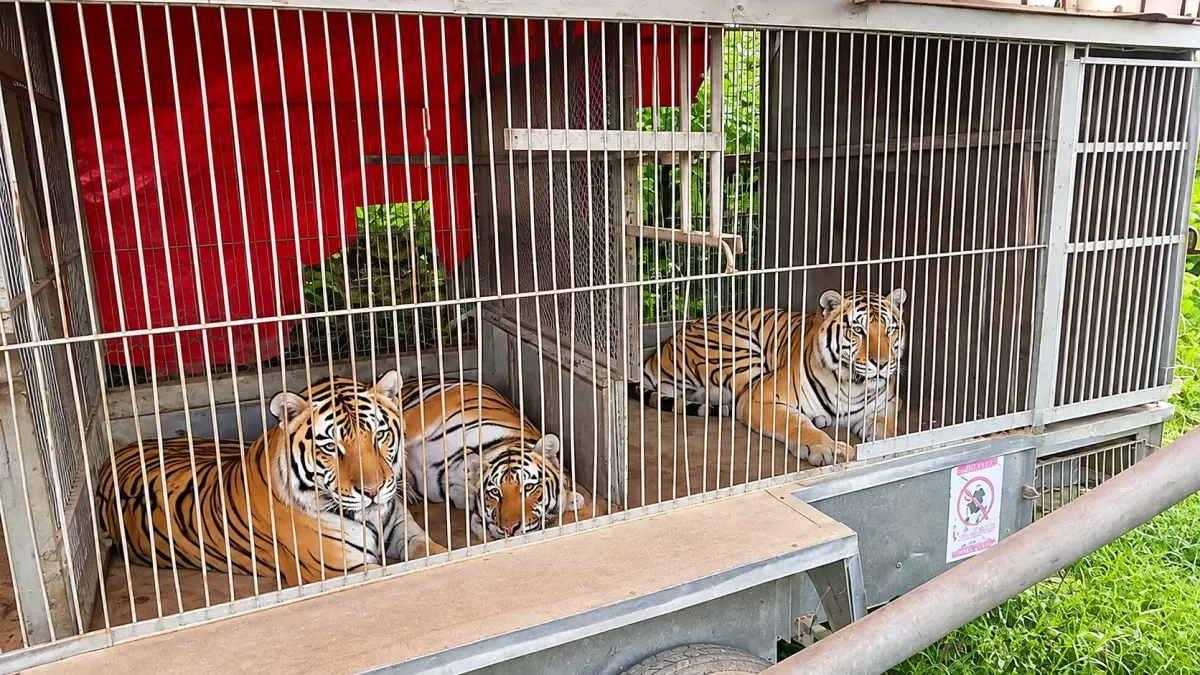
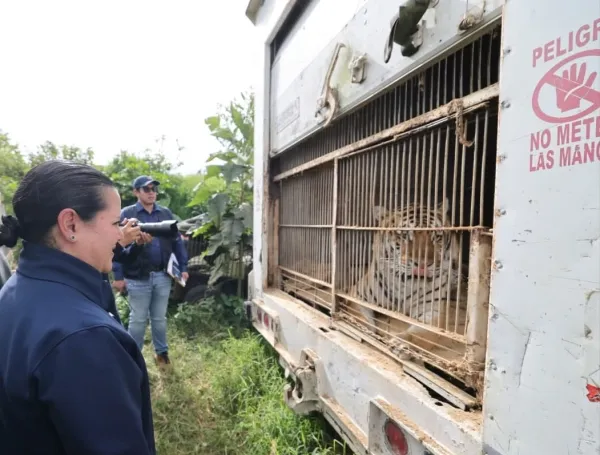
In a decisive action for animal welfare, a specialized team in Guatemala successfully executed a judicial order to rescue seven Bengal tigers that had spent their lives performing under the big top. The big cats, formerly housed at the Circo Rey Gitano in San José Pinula, were formally handed over to the Ministry of Agriculture, Livestock, and Food (MAGA).
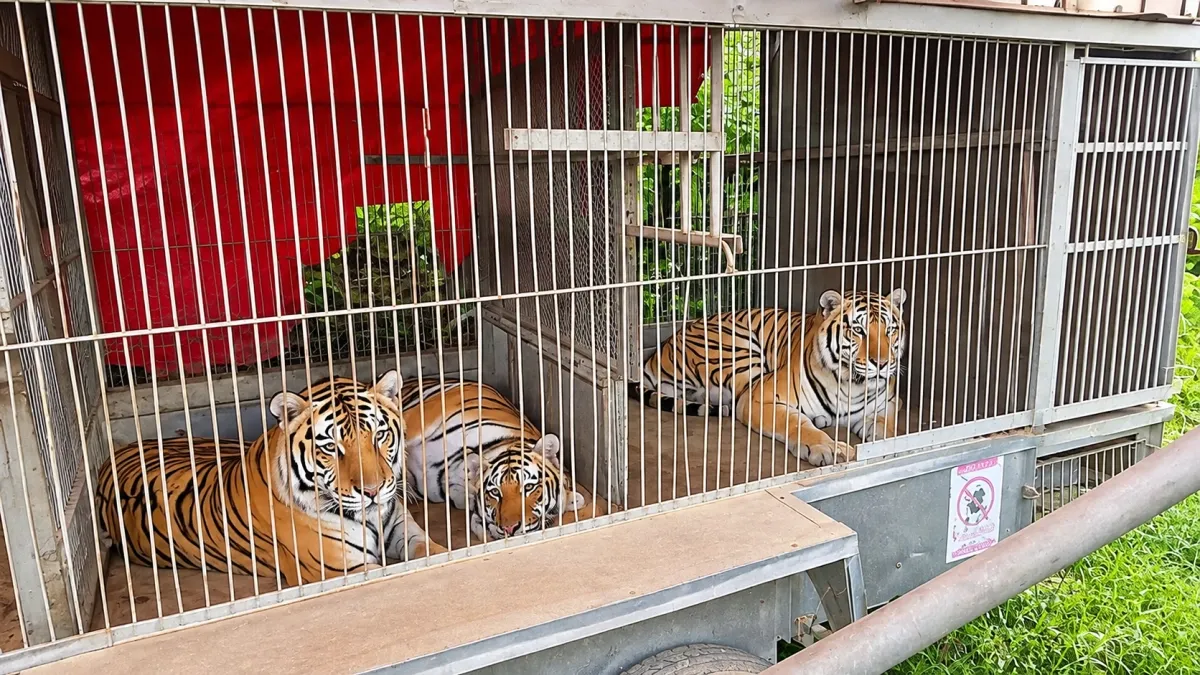
The operation marked a significant milestone in Guatemala’s ongoing efforts to eradicate the exploitation of wild animals in commercial entertainment. Supervised closely by the Minister of Agriculture, María Fernanda Rivera Dávila, and executed by the Animal Welfare Unit (UBA), the rescue ensures that the felons are now under direct state protection.
Rather than facing a future confined to a local zoo or private property, these majestic predators are slated for a monumental transnational journey. Once they successfully clear a battery of rigorous medical evaluations and secure the necessary international transit permits, the seven Bengal tigers will be flown to an expansive, specialized wildlife sanctuary in Africa. There, they will finally experience wide-open spaces, natural habitats, and lifelong specialized care tailored to their species.

The handover was not conducted in a vacuum; it strictly adhered to Decree 5-2017—Guatemala’s Law for Animal Protection and Welfare. This landmark legislation provides the legal framework necessary to intervene in situations where wild animals are subjected to conditions incompatible with their biological needs.
For the extraction process, specialized veterinary and handling teams sedated the tigers carefully before securing them in reinforced transport crates. They were subsequently moved to secure state-run facilities in Zone 13 of Guatemala City, conveniently situated near the international airport to facilitate their eventual departure from the country.

Chronology of Animal Welfare Enforcement in Guatemala
Guatemala’s journey toward ending circus animal exploitation is built on years of policy implementation, legal battles, and complex international logistics. To understand the gravity of the current rescue, it is essential to trace the historical timeline of the country’s anti-captivity enforcement:
- 2017 (The Legislative Turning Point): The Guatemalan Congress enacted Decree 5-2017, the Law for Animal Protection and Welfare. This comprehensive legal framework criminalized animal abuse and established strict prohibitions against using wild animals in circuses, setting the stage for future enforcement actions.
- 2018 (The First Major Sweep): Prompted by the new legislation, authorities launched a massive nationwide initiative to inspect circuses. This initial sweep resulted in the administrative and judicial seizure of 20 large wild animals—specifically five lions and 15 Bengal tigers—that were found languishing in traveling shows.
- 2019 (First Wave of International Relocation): Demonstrating that rescue efforts extended beyond mere confiscation, the Guatemalan government coordinated an international transport operation. Three of the tigers rescued during earlier sweeps were flown out of the country to a specialized sanctuary in Tampa, Florida, before later being permanently rehomed in Arkansas, United States.
- 2020 (The South African Airlift): In a complex logistical feat executed amid global disruptions, the remaining 17 animals from the 2018 sweeps (comprising 12 tigers and five lions) were prepared for long-term intercontinental travel. After months of medical stabilization, they were successfully airlifted to a premier wildlife sanctuary in South Africa.
- November 2026 (The Circo Rey Gitano Intervention): Continuing the legacy of the 2018 enforcement, authorities targeted the Circo Rey Gitano in San José Pinula. Seven additional Bengal tigers were seized under judicial mandate, bringing them into the custody of MAGA and the UBA, and setting the wheels in motion for a second major African sanctuary relocation project.
Supporting Data: The Hidden Toll of Circus Life
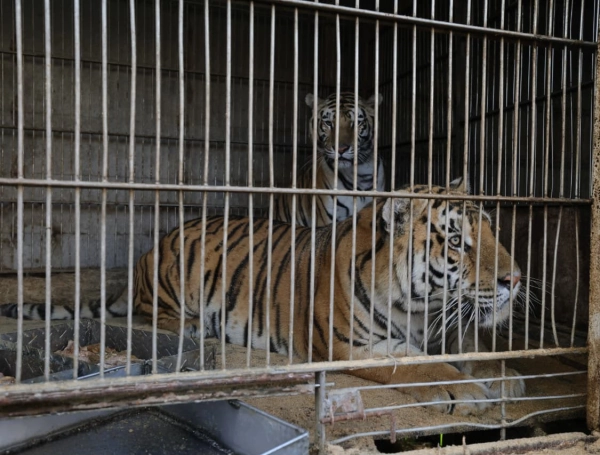
The physical and psychological toll of long-term captivity in traveling circuses cannot be overstated. When the state inspects and removes wild felons from entertainment facilities, the diagnostic findings consistently reveal severe physiological degradation resulting from years of inadequate enclosures, improper diets, and unnatural routines.
Veterinary assessments conducted during both historical operations and the current 2026 rescue highlight alarming patterns of neglect:
- Nutritional Deficiencies: Many large cats suffer from chronic malnutrition due to unbalanced diets lacking the essential nutrients, calcium, and proteins required by apex predators.
- Musculoskeletal and Joint Damage: Confined to cramped, moving transport trailers and small holding cages for the vast majority of their lives, these animals develop severe joint degradation, early-onset arthritis, and muscle atrophy from a catastrophic lack of physical exercise.
- Dental Pathology: Years of chewing on metal bars, coupled with poor nutrition, lead to severe dental fractures, periodontal disease, and rotting teeth, causing chronic pain and systemic infection.
- Behavioral Stereotypies: Psychological trauma manifests in persistent stress-induced behaviors, such as incessant pacing, head-bobbing, and self-mutilation, which require long-term behavioral rehabilitation.
During the current quarantine phase in Zone 13, the seven tigers are being kept strictly isolated from other animals to prevent the spread of infectious pathogens. Veterinarians are performing comprehensive blood panels, diagnostic imaging, and dental checks to formulate individualized treatment plans. Authorities estimate that this stabilization and medical preparation phase will take between four and six months, depending entirely on how the animals respond to medical therapies and the speed at which international bureaucratic red tape is cleared.

Official Responses and Stakeholder Perspectives
The operation has sparked a dialogue among government officials, animal rights organizations, and the circus industry itself, highlighting the complex tensions between legal enforcement and private enterprise.
The Government Stance: Prioritizing Rehabilitation
Minister María Fernanda Rivera Dávila has been unequivocal regarding the state’s vision for the animals. Emphasizing that the government bears the ultimate responsibility for their well-being, Rivera made it clear that the state has no intention of treating these endangered creatures as commodities.
"Our plan contemplates transferring the specimens to a specialized sanctuary in Africa, where they can enjoy vast spaces, proper nutrition, and permanent care," Rivera stated. "It is not planned to send them to a zoo nor to deliver them to any private property."
Furthermore, the Ministry defended its collaboration with Animal Defenders International (ADI)—an internationally recognized non-governmental organization specializing in the rescue and rehabilitation of circus animals. While some critics questioned the involvement of external entities, the government clarified that ADI’s technical expertise in handling, conditioning, and transporting large carnivores is indispensable for executing a safe, humane intercontinental transfer, while ultimate legal and administrative control remains firmly in the hands of MAGA.

The Circus Industry Perspective: Compliance Under Duress
From the side of the entertainment sector, the tone reflects resignation mixed with lingering apprehension. Cristian López, speaking as a representative of the Circo Rey Gitano, maintained that his family’s decision to hand over the tigers was technically voluntary. However, he candidly admitted that the choice was heavily influenced by the imminent threat of severe judicial sanctions and legal penalties if they resisted the court order.
López voiced persistent anxieties regarding the ultimate fate of the big cats and openly criticized the heavy involvement of international animal welfare advocates in the process. Despite these reservations, the legal reality under Guatemala’s Decree 5-2017 left no operational pathway for the circus to retain ownership of the animals.

Broader Implications for Global Animal Rights
The ongoing saga of Guatemala’s circus tiger rescues holds profound implications for the global animal welfare movement, offering a blueprint for how nations can transition away from the archaic exploitation of wild animals in entertainment.
1. Setting a Regional Precedent in Latin America
While several nations across Latin America have banned the use of wild animals in circuses over the past two decades, enforcing those bans remains a formidable challenge. Guatemala has distinguished itself not merely by passing legislation, but by following through with the logistical and financial burdens of long-term rehabilitation and international relocation. By partnering with world-class sanctuaries in South Africa and planning a similar fate for the newly rescued Bengal tigers, Guatemala demonstrates that legal prohibitions must be backed by actionable, high-standard exit strategies.

2. The Shift Toward Specialized Sanctuaries
The decision to bypass traditional zoos in favor of specialized, open-air African sanctuaries marks an ideological evolution in captive wildlife management. Traditional zoos—particularly in developing nations—frequently struggle with budget constraints, space limitations, and exhibit designs that fail to replicate natural ecosystems. Specialized sanctuaries, by contrast, focus entirely on psychological and physical rehabilitation, offering acres of natural terrain where rehabilitated predators can live out their remaining years with minimal human interference.
3. International Cooperation and Diplomacy
Transporting apex predators across continents requires unprecedented levels of diplomatic and bureaucratic coordination. Ministries of agriculture, environmental agencies, customs bureaus, and international civil aviation authorities must work in seamless tandem. The upcoming transport of the seven Bengal tigers from Guatemala City to Africa will test international animal transfer protocols once again, serving as a case study for future transnational wildlife rescues.

As the seven tigers settle into their temporary quarantine quarters in Zone 13, their caretakers face a race against time and biology to heal bodies broken by years of circus life. Yet, for the first time in their lives, these magnificent creatures stand on the precipice of a genuine wilderness—a testament to the enduring power of law, compassion, and international solidarity.