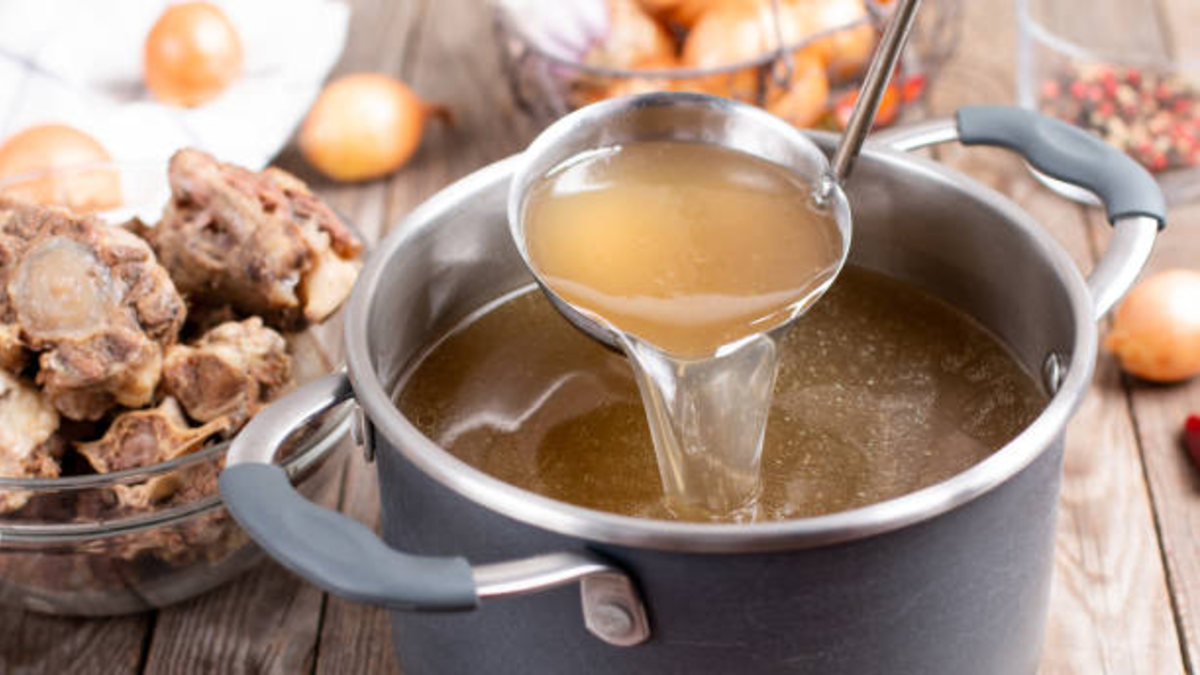
Gastronomy and nutrition experts reveal that achieving a deeply comforting, restaurant-quality homemade beef broth is not a matter of luck, but the result of a deliberate choice made long before turning on the stove: selecting the right cut of meat at the butcher shop.
Main Facts
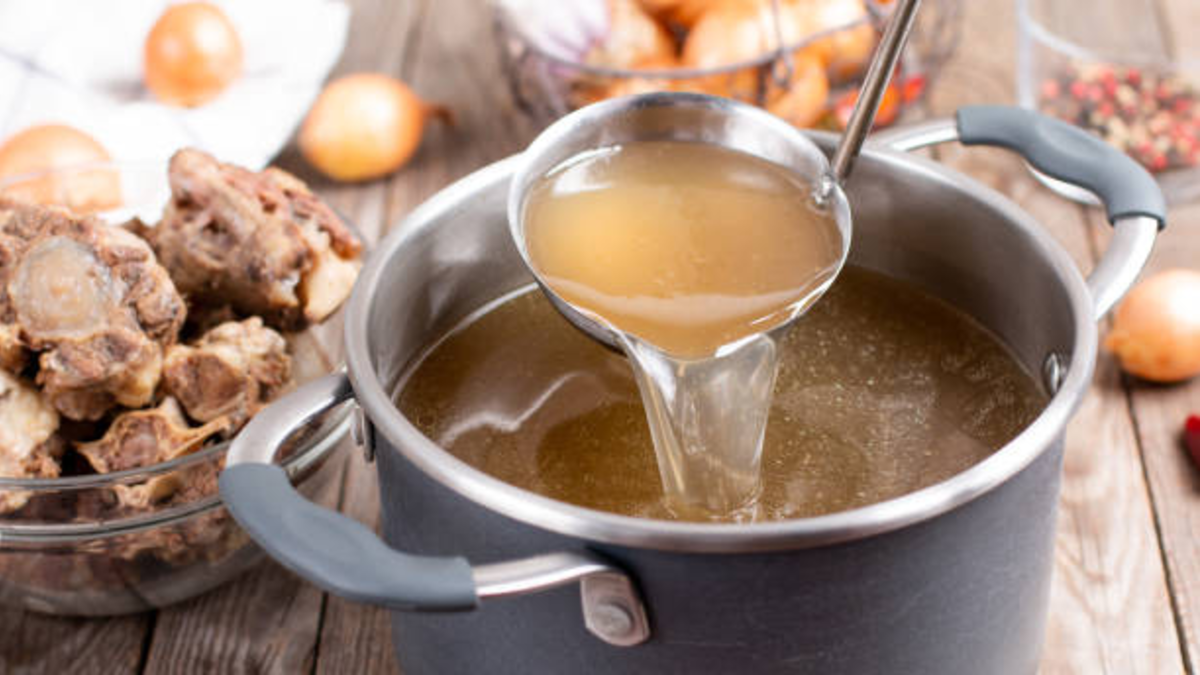
Achieving a profound, restaurant-quality flavor in a homemade beef broth relies far less on endless hours at the stove and much more on the initial selection of the cut of meat. According to professional chefs and culinary scientists, not all cuts of beef behave the same way when subjected to sustained heat. While certain cuts yield a silky, rich texture, others can render a soup excessively heavy and difficult to digest due to an abundance of lipids.

Mastering the art of broth-making requires a careful balance: harnessing the deep, savory compounds found in bones and connective tissue while keeping the liquid clean and lean. Experts recommend specific cuts like beef ribs or veal shank, which naturally contain high levels of collagen, balanced by proper pre-cooking preparation and post-cooking techniques to remove excess saturated fats.
Chronology: The Evolution of Broth-Making and Modern Culinary Science
- Ancient Culinary Traditions (Pre-Industrial Era): For centuries, human societies utilized every part of the animal out of necessity. Bones, cartilage, and scraps were simmered for hours to extract maximum caloric density, flavor, and nutrients, laying the foundation for traditional broths globally.
- The Rise of Classical French Gastronomy (18th–19th Century): Chefs like Auguste Escoffier categorized stocks and broths as the "foundation of all cooking," emphasizing the chemical transformation of collagen into gelatin to give body and mouthfeel to sauces and soups.
- Late 20th Century (The Rise of Processed Foods): The convenience of commercial bouillon cubes and canned broths temporarily displaced traditional, long-simmered homemade stocks in many households, often sacrificing nutritional value and natural depth of flavor for speed.
- The Contemporary Culinary Movement (2010s–Present): A global resurgence in traditional cooking, functional foods, and nose-to-tail eating has brought homemade bone broths back into the spotlight. Nutritional science has validated ancestral practices, highlighting the health benefits of amino acids and collagen released during extended simmering.
- Current Day (March 2026): Contemporary culinary experts, combining traditional wisdom with modern dietary guidelines, continue to refine the science of broth-making, emphasizing how to extract maximum collagen and flavor while maintaining heart-healthy, low-fat standards.
Supporting Data and Nutritional Insights
Creating an exceptional beef broth involves understanding the biochemical components of the animal. When bones and connective tissues are simmered over low heat, structural proteins break down.

The Role of Collagen and Gelatin
According to culinary insights and food science platforms like Serious Eats, the characteristic body and "roundness" of a superior beef broth come directly from gelatin, which is extracted from collagen-rich bones and connective tissue.
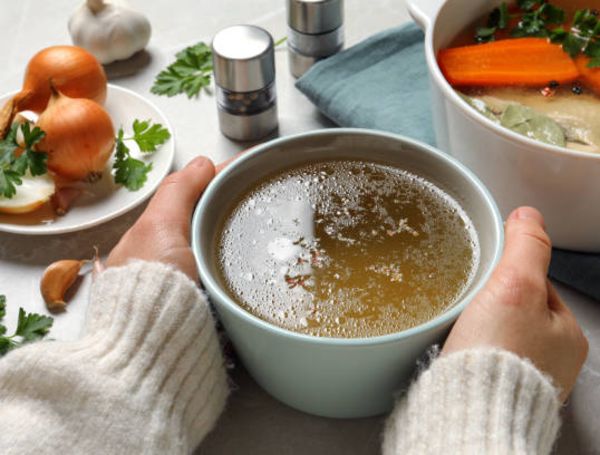
- Collagen Breakdown: When subjected to moist heat over time, collagen denatures and converts into gelatin.
- Mouthfeel: This gelatin coats the palate, creating a luxurious, velvety texture that water-based or purely lean-meat broths lack.
The Expert Perspective
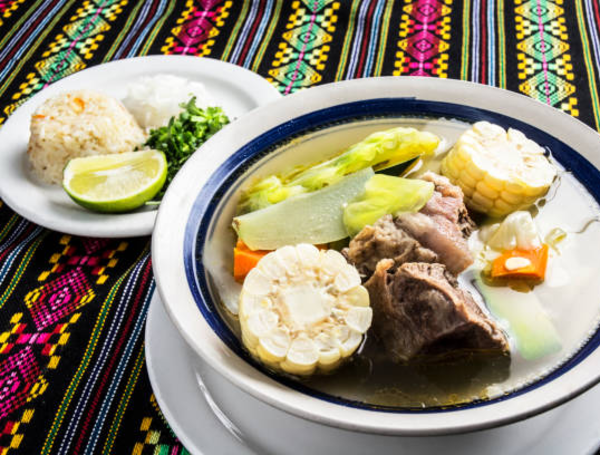
In discussions with culinary professionals, the consensus heavily favors bone-in options. Chef Camilo Currea notes that “to make a good broth, the best cut is beef rib or, failing that, any cut that includes bone.” The bone serves a dual purpose: it acts as a flavor reservoir through marrow and infuses the liquid with structural body via collagen.

Managing Lipids and Choosing Lean Cuts
While bone-in cuts provide unmatched flavor, they introduce a distinct challenge: managing excess fat. To prevent a broth from becoming greasy, heavy, or visually unappealing, culinary experts recommend selecting pieces with a favorable meat-to-fat ratio and trimming visible lipids before cooking.
Conversely, for households prioritizing reduced saturated fat intake, the U.S. Department of Agriculture (USDA) and health authorities like Mayo Clinic recommend specific lean cuts. While these cuts are healthier for direct consumption, using them exclusively in a broth requires compensating for the lack of bones and connective tissue to avoid a thin, watery final product.

Official Responses and Expert Recommendations
Culinary and nutritional authorities emphasize that the quality of a broth is dictated by a multi-step methodology, bridging butchery choices with kitchen execution.
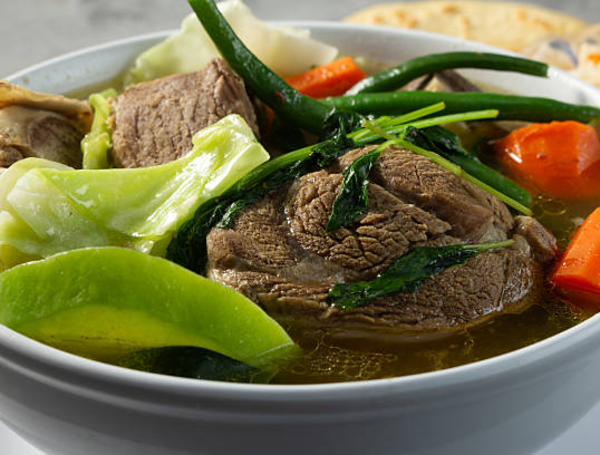
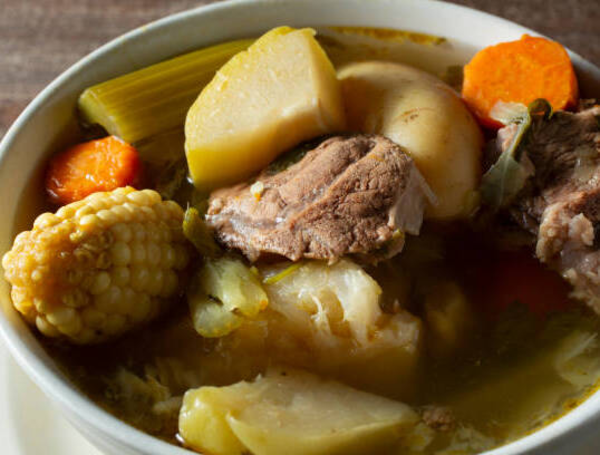
- Prioritize Bone-In Cuts for Depth: Chefs universally recommend integrating cuts like short ribs or veal shanks (jarrete de ternera). Chef Currea highlights that the veal shank, in particular, “besides having bone, is exceptionally rich in flavor and allows for a much more concentrated and structured broth.”
- Pre-Cooking Inspection and Trimming: Nutritional guidelines from institutions such as the Mayo Clinic stress the importance of trimming all visible fat from the meat before it touches the water. This proactive step significantly reduces the lipid load in the final preparation.
- The Refrigeration Technique for Fat Separation: To achieve an impeccably clear, non-greasy broth, experts recommend a post-cooking resting phase. Once the broth has cooled slightly, transferring it to the refrigerator causes the remaining animal fats to solidify on the surface. This forms a distinct, hardened white layer that can be easily skimmed off with a spoon, leaving behind a nutrient-dense, crystal-clear liquid.
Implications for Health, Nutrition, and Home Cooking
The implications of choosing the right cut for a beef broth extend across culinary arts, daily nutrition, and household wellness.

Nutritional Value
Broths crafted from bones and connective tissues are naturally rich in bioavailable minerals, amino acids (such as glycine and proline), and collagen. These compounds are frequently cited by nutritionists for supporting joint health, skin elasticity, and gut integrity. However, failing to manage the fat content can counteract these benefits by unnecessarily increasing saturated fat intake.

Culinary Standards at Home
Understanding the science of cuts bridges the gap between home cooking and professional gastronomy. By recognizing that a successful broth is a product of intelligent purchasing—balancing the deep umami and gelatin of bones with lean, high-quality muscle meat—home cooks can elevate simple ingredients into sophisticated, wholesome dishes.

Ultimately, crafting the perfect beef broth demonstrates that great cooking is not about masking flavors with excessive additives, but about respecting the intrinsic properties of the ingredients and applying precise, thoughtful kitchen techniques from the butcher counter to the bowl.