By Breaking News & International Desk
Published: November 4, 2026 | Updated: November 4, 2026
Main Facts
Spain’s transportation sector has been plunged into an unprecedented institutional crisis following a catastrophic high-speed train collision near Urda, in the province of Toledo, which left 69 people dead and over 180 injured. The disaster—occurring just nine months after a previous major rail incident along the same stretch of track—has triggered immediate and high-profile political fallout.

In a matter of days, the upper echelons of Spain’s rail administration have collapsed. Óscar Puente, the Minister of Transport, announced his resignation on Tuesday, November 3, abandoning both his ministerial portfolio and his candidacy in the upcoming general elections scheduled for November 29. Shortly thereafter, Pedro Marco de la Peña, president of the state-owned railway infrastructure manager Adif (Administrador de Infraestructuras Ferroviarias), also stepped down from his post.
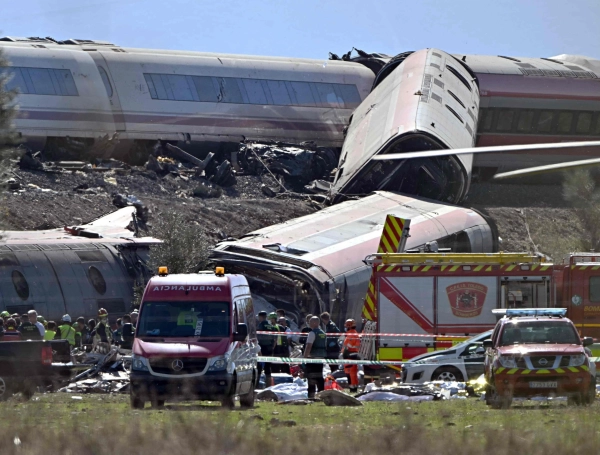
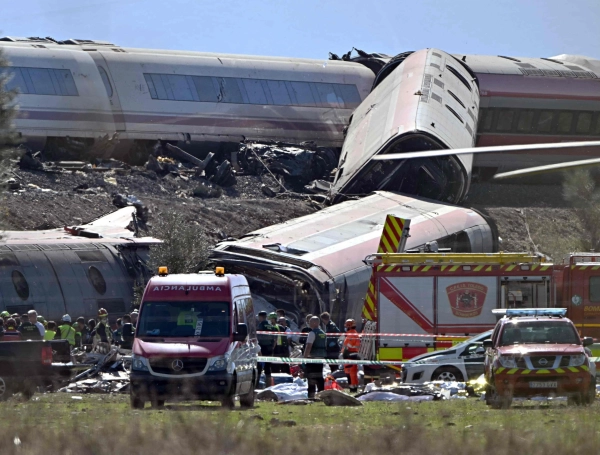
The tragic accident took place when a Renfe AVE high-speed train traveling from Madrid to Seville rear-ended a stationary Iryo passenger train that had halted on the tracks. The impact was severe enough to hurl multiple carriages down a steep embankment. Combined, the two trains were carrying 544 passengers, making this one of the deadliest rail disasters in modern Spanish history.

Chronology of Events
The Collision Near Urda (Late October 2026)
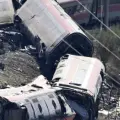
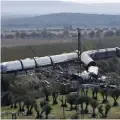
The tragedy unfolded on a Wednesday afternoon near Urda, south of Madrid. A scheduled Renfe AVE service caught up with and violently struck the rear of an immobilized Iryo high-speed train. Preliminary investigations revealed that the tracks had experienced technical anomalies shortly before the collision occurred. The impact caused structural catastrophic failures, sending several cars plummeting off the rail line’s elevated terrain. Emergency responders rushed to the scene, battling difficult terrain to extract survivors, treat the wounded, and recover the 69 victims who lost their lives, including both train drivers—one of whom was an apprentice.
Tuesday, November 3, 2026: Morning Cabinet vs. Afternoon Reality
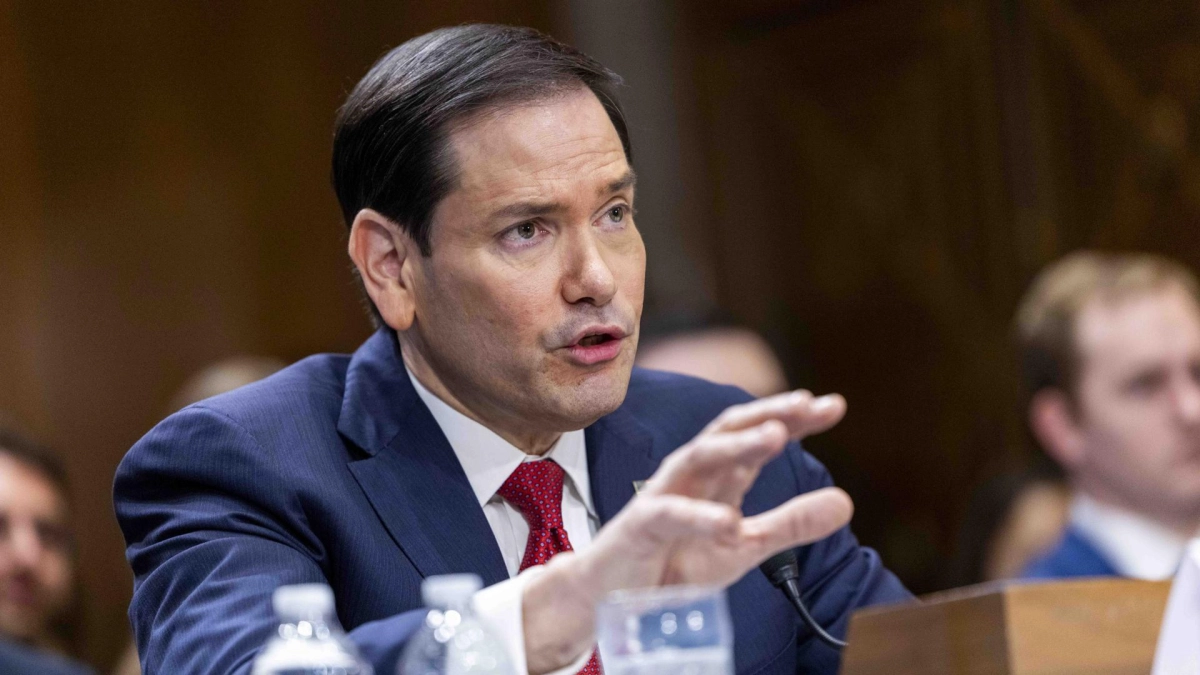
The day of the resignations began with traditional political defense, only to pivot drastically by afternoon. During a morning press conference following the Council of Ministers, Transport Minister Óscar Puente maintained a defiant stance, indicating to reporters that stepping down was not immediately on his mind.
However, the political climate shifted irreversibly during his mandatory appearance before the Permanent Deputation of Congress later that day. Facing intense scrutiny, mounting public outrage, and the weight of two fatal derailments or crashes within less than a year, Puente altered course. Minutes before concluding his address, he informed Prime Minister Pedro Sánchez of his decision and publicly announced his irrevocable resignation, citing political dignity and empathy for the victims.
The Adif Domino Effect (Late November 3 – November 4, 2026)
Following Puente’s resignation, the pressure shifted immediately to the state rail infrastructure managers. Pedro Marco de la Peña, president of Adif, held an urgent meeting with Spain’s Vice President and Economy Minister, Carlos Cuerpo. During this evening encounter, Marco de la Peña formally submitted his resignation, echoing justifications similar to those presented by Puente regarding accountability for the rail network’s safety.
Minister Cuerpo confirmed the departure in a television interview with TVE, stating that the resignation was accepted and thanking Marco de la Peña for his years of service. Government insiders hint that further structural purges and resignations within the transport sector may follow as investigations delve deeper into systemic maintenance failures.
Supporting Data and Technical Context
To fully understand the gravity of the recent resignations, analysts are pointing toward systemic vulnerabilities that have plagued Spain’s state-of-the-art high-speed rail network—widely considered one of the most advanced in Europe until recently.

- Death Toll and Casualties: The Toledo collision claimed 69 lives, with over 180 individuals sustaining injuries ranging from minor trauma to severe psychological and physical impairment.
- Passenger Load: A total of 544 passengers were on board the two colliding trains (the moving Renfe AVE and the stationary Iryo service).
- Pre-existing Failures: Reports indicate that the specific corridor where the accident occurred had suffered technical signaling or track anomalies prior to the rear-end collision.
- Recurrence: This disaster marks the second fatal railway accident of catastrophic proportions within a span of nine months on Spanish soil, raising red flags regarding infrastructure oversight, maintenance protocols, and operational safety margins.
- Electoral Impact: The political vacuum occurs at a critical juncture, directly preceding Spain’s general elections, which have been fast-tracked to November 29.
Official Responses and Political Repercussions
The fallout from the Urda disaster has reverberated through the highest tiers of the Spanish government, sparking intense debates over accountability, institutional transparency, and safety oversight.
Óscar Puente’s Defense of Dignity
During his address to the Congress, a visibly shaken Óscar Puente explained that his decision was born out of absolute necessity. "I cannot continue in office with two accidents of this gravity in less than a year, regardless of how different they may be or whether I bear direct responsibility for them," Puente declared. He framed his exit as a matter of “political dignity, coherence, and empathy with the victims,” noting that he wished to honor the legacy of his party and predecessors who dedicated their lives to public service.
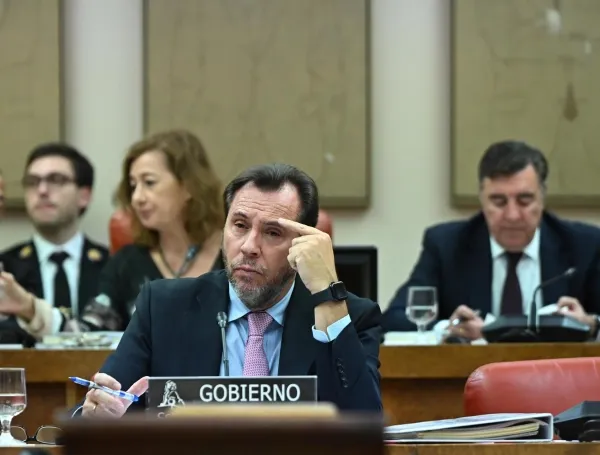
Puente also expressed gratitude to Prime Minister Pedro Sánchez for his “unlimited trust” and used his final moments at the podium to rally the nation’s progressives behind Sánchez ahead of the November 29 polls.
Government Acceptance and Sectoral Accountability
Speaking on public broadcaster TVE, Vice President Carlos Cuerpo addressed the departure of Adif President Pedro Marco de la Peña. Cuerpo acknowledged that the resignation was a necessary and correct step given the magnitude of the tragedy. "Hemos tenido una reunión esta tarde y él me ha presentado la dimisión, aduciendo también motivos similares a los que aludió ayer el ministro Puente," Cuerpo stated, validating the decision while opening the door to a broader administrative overhaul.
Sources within the Moncloa Palace suggest that the executive branch is bracing for additional administrative departures. While opposition parties have called for a comprehensive, independent judicial inquiry into Adif and Renfe’s operational protocols, the government is currently scrambling to stabilize the transport ministry before the impending general election.
Implications for Spain’s Rail Infrastructure and Future
The simultaneous collapse of the Transport Ministry’s political leadership and Adif’s executive branch creates a massive administrative void at a time when public trust in Spain’s rail system is at an all-time low.
1. Rebuilding Public Trust in High-Speed Rail
Spain boasts one of the largest high-speed rail (Alta Velocidad Española – AVE) networks in the world, historically touted as a benchmark of engineering efficiency and safety. The occurrence of two catastrophic accidents within a single year shatters this illusion of invulnerability. Restoring confidence will require more than political scapegoating; it demands a transparent, rigorous technical audit of signaling systems, traffic control automation, and track maintenance budgets.
2. Electoral Upheaval
With the general elections slated for November 29—just weeks away—the sudden departure of a core minister and party heavyweight like Óscar Puente throws the ruling party’s electoral strategy into disarray. Puente was not only managing a vital infrastructure portfolio but was also slated as a key campaigner. The opposition is expected to leverage the disaster and the subsequent government crisis to challenge the ruling coalition’s administrative competence.

3. Institutional Restructuring at Adif and Renfe
The departure of Pedro Marco de la Peña paves the way for an interim or permanent leadership overhaul at Adif. Experts argue that the new administration must immediately prioritize internal safety reviews, overhaul emergency response protocols, and mend working relationships with private and public rail operators sharing the Spanish corridors, such as Iryo and Ouigo.
As investigations by judicial authorities and safety boards continue to piece together why a stationary train was struck on a monitored high-speed line, Spain faces a long road toward healing, accountability, and the restoration of safety on its rails.