Analysis by [Journalist Name/Subdirector for Life]
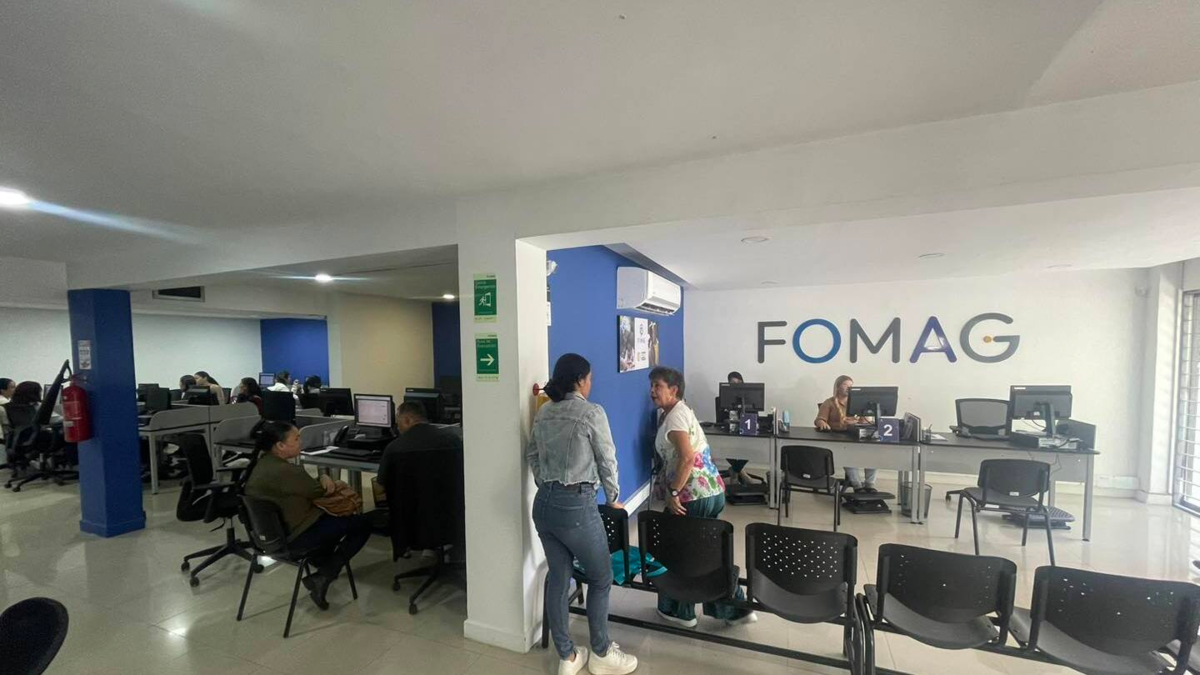
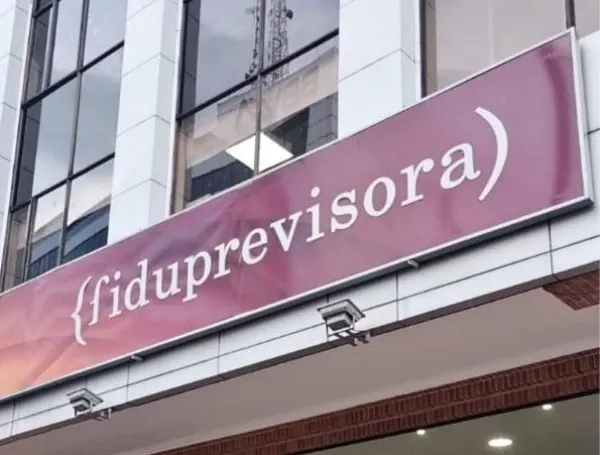
After thirty-six years of uninterrupted service, the fiduciary contract that governed the management of the National Fund for Social Benefits of the Magistracy (Fomag) has officially reached its conclusion. On October 31, 2026, the Colombian government made the decisive choice not to renew the contract with Fiduprevisora, effectively ending a long-standing administrative chapter. This decision, finalized during an extraordinary session of the fund’s Board of Directors—chaired by the Ministry of Education—marks the beginning of a complex, one-year transition period. During this time, the government must map out the future of healthcare, pensions, and severance payments for over 820,000 official educators and their beneficiaries.
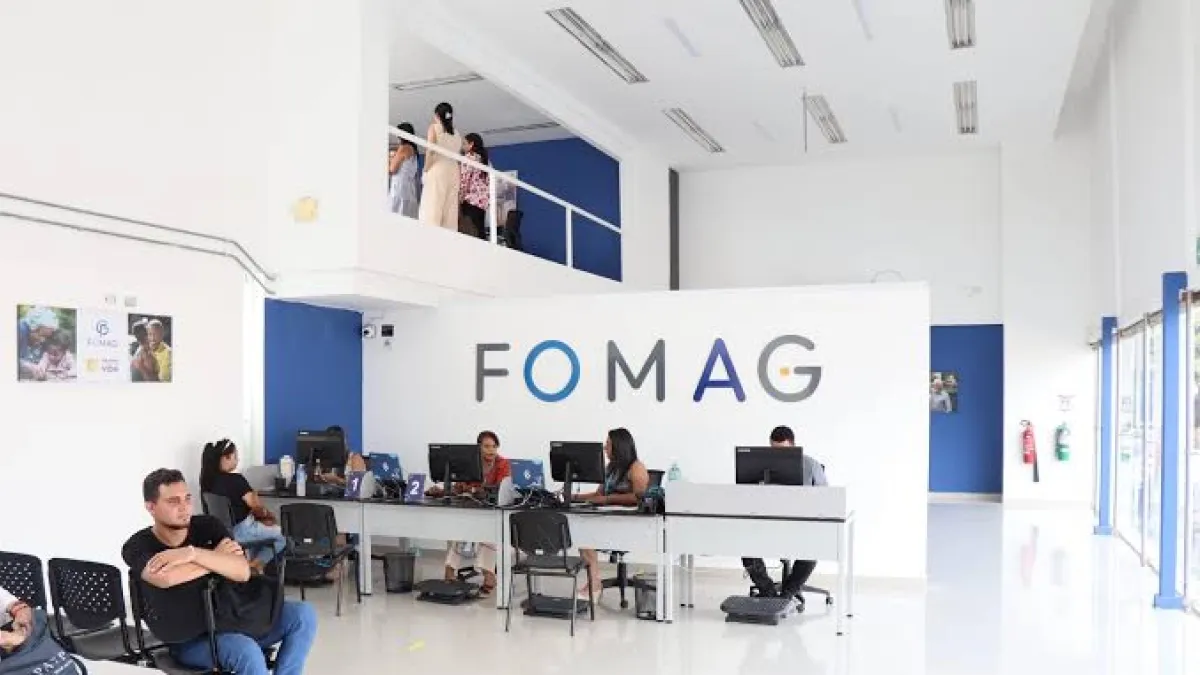
This transition is not merely a bureaucratic shift; it is the culmination of a systemic collapse characterized by a staggering 2.7 trillion peso deficit, a total lack of formalized legal contracts with healthcare providers, and an overwhelming volume of patient complaints that have paralyzed the system.
The Breaking Point: A System in Collapse
The decision to end the contract was not made in a vacuum. It was the result of a downward spiral that accelerated significantly since 2024. For the more than 820,000 individuals relying on the Fomag for their essential health needs, the current situation has become unsustainable.

The core of the crisis lies in the financial and operational health of the fund. Estimates suggest a 2.7 trillion peso deficit required just to sustain health operations for the current year. Furthermore, the fund is saddled with over 2.4 trillion pesos in outstanding debts to clinics and hospitals. Perhaps most alarming is the reported negative equity of 3.2 trillion pesos.
For the average teacher or retiree, these macro-level figures translate into a daily struggle: cancelled appointments, shortages of critical medications, and the refusal of major hospitals to accept their insurance due to non-payment. Since 2024, the Ministry of Education has logged over 109,000 formal complaints, highlighting a systemic failure to provide basic medical care.

A Chronology of Reform and Regression
To understand how a national institution arrived at this crossroads, one must look back to the structural changes implemented in mid-2024.
In October 2023, President Gustavo Petro announced the suspension of "Public Invitation 002," a procurement process intended to contract medical services for teachers. This was followed on April 1, 2024, by the approval of "Agreement 003," which sought to revolutionize the model. The previous system, which relied on nine contractors, was replaced by a centralized model where Fiduprevisora acted as the sole payer and administrator.
The intention was to streamline the system, but the execution led to operational chaos. Fiduprevisora, an entity traditionally accustomed to financial administration, suddenly found itself managing more than 3,000 individual contracts with healthcare providers (IPS). The lack of institutional capacity to handle such a massive shift became apparent almost immediately.
By December 2024, the contracts for the provider network had expired, triggering a jurisdictional tug-of-war between the Ministry of Education and Fiduprevisora regarding authority and responsibility. Major healthcare institutions, including the Clínica Shaio and the Fundación Santa Fe, eventually suspended services for teachers, citing the persistent failure of the fund to meet its payment obligations.
Supporting Data: The Magnitude of the Void
The data provided by the Superintendency of National Health (Supersalud) paints a grim picture. Despite having over 820,000 affiliates, the Fomag currently has only one legalized contract with a healthcare provider. This means the entire population is being served by a network that lacks formal, legally binding agreements.
Between 2024 and 2026, nine separate audits were conducted, revealing 38 major findings related to contractual obligations, financial management, and risk management. The situation grew so dire that the government was forced to impose precautionary measures to protect the lives of patients and prevent the further hemorrhaging of public resources.

The economic paradox is equally striking. While the state provides a Per Capita Unit (UPC)—the value allocated per beneficiary—that is 46.36% higher than that of the general Colombian population, the quality of care has plummeted. The cost of operating the system doubled from 2.39 trillion pesos in 2023 to 4.85 trillion in 2025, even as the number of affiliates decreased.
Official Responses and the Path Forward
The government has been quick to reassure the public that, for now, services will not be interrupted. The Ministry of Education, led by Minister Ilva Myriam Hoyos, has insisted that the termination of the fiduciary contract is not equivalent to the liquidation of the Fomag itself. The fund remains a legal entity under Law 91 of 1989, and its obligations toward teachers remain in force.
"The non-renewal of this contract does not mean, in any case, the cessation of healthcare services," Minister Hoyos stated in a recent address. She emphasized that during the one-year transition period, which began on November 1, 2026, the government will work to structure a new, transparent public bidding process to replace the current model.
However, the teacher’s union, Fecode, remains skeptical and has called for a state of "maximum alert." Fecode is demanding a clear, public, and fully funded transition plan that ensures the continuity of all medical treatments, including those for chronic and high-cost conditions, as well as the timely processing of pensions and severance pay.

Implications: The Search for Accountability
As the transition begins, the search for accountability has moved from administrative audits to the judicial sphere. The government has requested a "forensic audit" of the Fomag, suspecting that the financial crisis may be linked to systemic corruption.
In a landmark development, the Red de Veedurías de Colombia (a civil oversight network) filed criminal complaints against three former ministers: Gloria Inés Ramírez (Labor), Ricardo Bonilla (Finance), and Aurora Vergara (Education). The allegations focus on the decisions made between 2023 and 2026 that allegedly led to the 2.7 trillion peso deficit. While these are currently accusations and not proven criminal liability, they underscore the gravity of the situation.

Furthermore, the government is grappling with the 1.84 trillion pesos that remain, as of this writing, without a clear source of funding, even after the internal reallocation of 859 billion pesos from pension reserves to health.
Conclusion: A Critical Crossroads
The decision to end the contract with Fiduprevisora is a tacit admission that the "pilot" model of 2024 has failed. The next twelve months will be the most critical in the history of the Fomag. The government must balance the immediate need to pay off mounting debts to hospitals—51% of which have been in arrears for over 180 days—with the long-term task of building a sustainable, efficient, and transparent healthcare network.

For the 820,000 teachers and their families, the "transition" is not a political term—it is a matter of survival. The success of this period will depend on whether the government can move beyond "plugging holes" in the budget and actually reform the institutional architecture that failed the teachers of Colombia. As Minister of Labor Natalia López Fuentes noted, the country cannot continue to fund mismanagement with taxpayer money. The time for structural solutions has arrived, and the eyes of the nation remain fixed on the Ministry of Education as it navigates this turbulent transition.