By Editorial Staff
October 30, 2026
In a significant development for the protection of cultural heritage and historical memory in Colombia, the Ministry of Culture has complied with a judicial order to restore a collection of controversial items to the National Museum of Colombia. The pieces, which had been abruptly removed on October 15, were returned to their designated exhibition spaces this Friday, October 30, following a rigorous legal battle that highlighted the intensifying tension between governmental ideological agendas and the preservation of national history.
The Judicial Mandate: A Defense of Fundamental Rights
The compliance follows a landmark ruling issued on Wednesday, October 28, by the Twenty-Fourth Family Court of Bogotá. The presiding judge, César Enrique Osorio Ortiz, acted in response to a series of consolidated tutela actions (constitutional protection mechanisms) filed by citizens, human rights advocates, and cultural organizations. These plaintiffs argued that the removal of the artifacts constituted an infringement upon fundamental rights, specifically the freedom of expression, the right to access culture, the sanctity of education, and the preservation of the nation’s historical memory.
In his ruling, Judge Osorio Ortiz was explicit: the state institutions are legally obligated not only to return the elements to their public display areas but also to ensure the appropriate technical conditions for their long-term conservation. The court’s decision underscores the principle that public museums function as repositories of a nation’s collective identity and should not be subject to the arbitrary whims of transient political administrations.
Chronology of a Cultural Crisis
The events leading up to this judicial intervention began on October 15, a date that has since become a focal point for debates regarding censorship and institutional integrity.
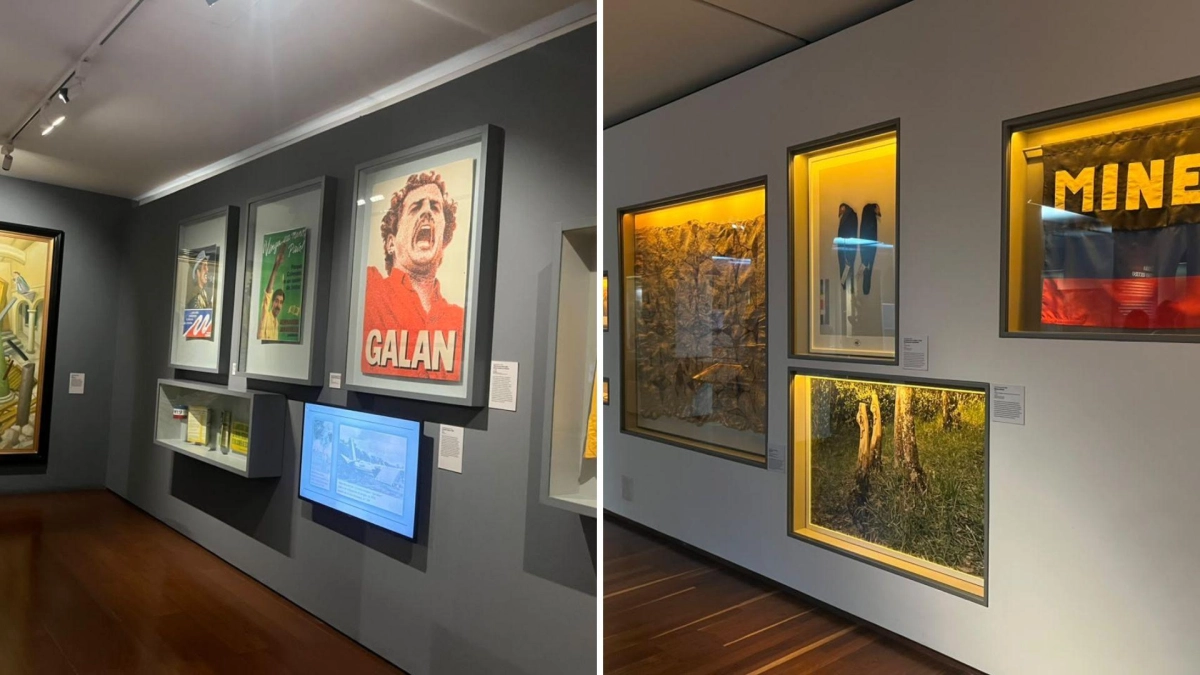
- October 15: The administration, under the direction of the Ministry of Culture, ordered the sudden removal of approximately 30 artifacts from three permanent exhibition halls at the National Museum. This move occurred concurrently with an official visit by President Abelardo de la Espriella.
- October 16–27: Public outcry intensified. Academic circles, civil society groups, and former museum officials decried the move as an attempt to "sanitize" history. Multiple tutela petitions were filed, arguing that the removal was politically motivated.
- October 28: The Twenty-Fourth Family Court of Bogotá rules in favor of the plaintiffs, ordering the immediate reinstatement of all items within 48 hours.
- October 30: The Ministry of Culture completes the restoration of the pieces to their original positions, effectively closing the immediate chapter of the controversy.
The Ideological Backdrop: "Counter-Revolution" and the "Wokism" Debate
The removal of the pieces was not a bureaucratic error; it was, by all accounts, a deliberate act of political positioning. During his October 15 visit to the Ministry, President de la Espriella framed the initiative as the dawn of a "cultural counter-revolution."

The President explicitly described his agenda as a "decisive, patriotic fight against wokism." He argued that the museum had been co-opted by ideologies intended to "transform the moral, cultural, and social foundations of the West" and "pervert traditional family values and national identity."
As part of this shift, the President announced the renaming of the Ministry of the Cultures, Arts, and Knowledge to the "Ministry of Culture and Heritage." Furthermore, he issued a direct order to the Minister of Culture, Paola Holguín, to purge public spaces of any representations that he classified as an "exaltation of terrorism." While the administration has yet to provide a full inventory of the objects it deems "terrorist," the focus on figures like Carlos Pizarro—the former M-19 commander who signed a peace treaty with the state—suggests a systematic attempt to erase the complexities of Colombia’s recent history of armed conflict from the national narrative.
The Affected Collection: A Snapshot of Social Struggle
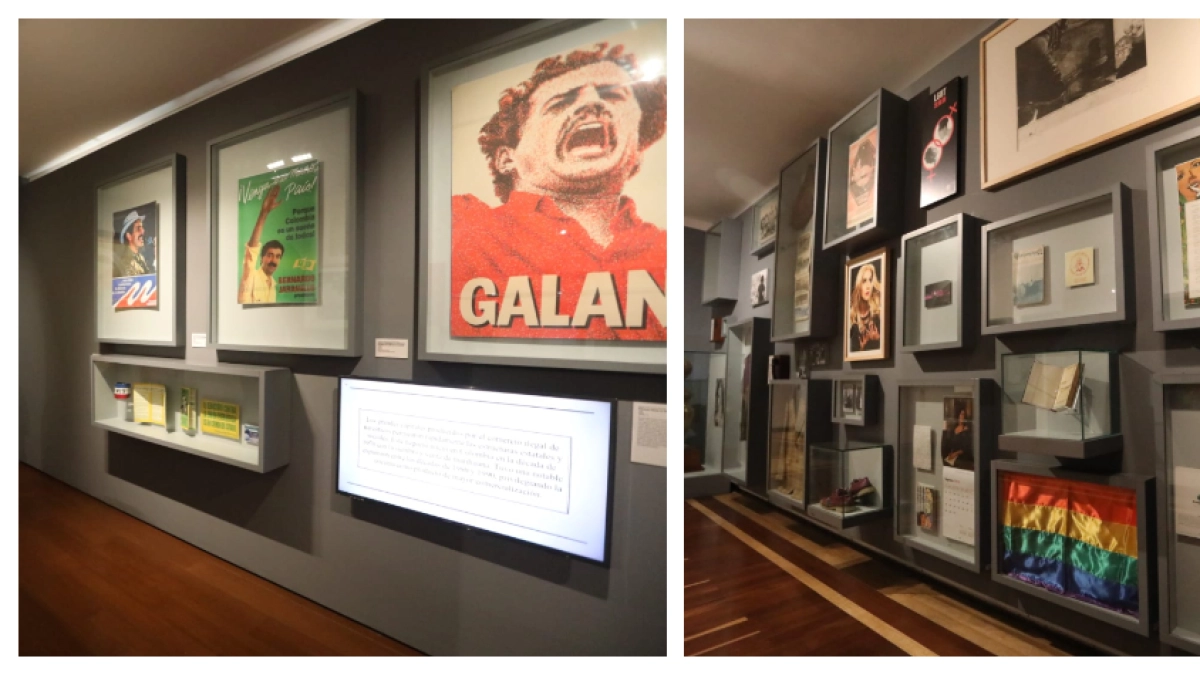
The most affected area within the museum was the hall titled ‘Hacer Sociedad’ (Making Society). The items removed from this space were not merely decorative; they were artifacts of significant social and historical value, documenting the struggles of marginalized groups in Colombia.
The list of "censored" items included:
- The Rainbow Flag: An iconic banner that belonged to activist Elizabeth Castillo, a symbol of the struggle for LGBTI rights.
- The 2006 Pride Poster: A piece of graphic history documenting the Lesbian Pride march of that year.
- Reproductive Rights Documentation: A pamphlet from the Sí Mujer Foundation, highlighting the ongoing discourse regarding reproductive autonomy in Colombia.
- Humberto Rincón Perfetti’s Photography: A poignant image of the "For an Inclusive Colombia" march.
- Historical Periodicals: An issue of La Ventana Gay, founded by Manuel Antonio Velandia and León Zuleta, the latter of whom was assassinated in 1993, serving as a reminder of the lethal violence faced by early activists.
Perhaps most contentious was the removal of political iconography related to the Unión Patriótica (UP). The museum had displayed the presidential campaign poster of Bernardo Jaramillo Ossa, the UP candidate who was assassinated in 1990 by paramilitaries in collusion with state elements. Beside it sat the imagery of Carlos Pizarro. By removing these, the administration sought to obscure the history of the "Gaitán-era" political violence and the subsequent peace processes of the 1990s.
Official Responses and Institutional Implications
The Ministry of Culture, now under the spotlight, has provided little justification for the removal beyond the President’s broad rhetoric. While the court order has forced the return of the items, experts in cultural management and museology express deep concern regarding the future of the museum’s autonomy.

"The National Museum is not a private gallery for the government of the day," says Dr. Elena Restrepo, a professor of History and Museology. "When you remove pieces that document the lives of LGBTI communities or the tragedy of the UP, you are not just cleaning a wall; you are engaging in historical denialism. This judicial ruling is a win for the rule of law, but the underlying ideological conflict remains unresolved."
Furthermore, the renaming of the Ministry suggests a broader structural shift that seeks to align cultural policy with a conservative, traditionalist framework. Critics argue that this transition minimizes the "plurality" and "diverse knowledge systems" that the previous administrative title sought to honor.
Looking Ahead: The Precedent of the Ruling
The judicial victory in this case serves as a vital precedent for future conflicts involving state-sanctioned censorship. By ruling that the museum must not only return the items but also guarantee their preservation, the court has signaled that public institutions have a fiduciary duty to the public, rather than to the executive branch.

As the pieces return to their display cases, the National Museum faces the difficult task of reintegrating these objects into a narrative that has been shaken by political pressure. For the visitors, activists, and historians, the return of the pieces is a victory, yet the shadow of the "counter-revolution" looms large. The question remains whether the Ministry will respect the court’s spirit or attempt more subtle forms of institutional obstruction in the months to come.
For now, the history of the LGBTI struggle, the memory of the victims of the UP, and the complexities of the peace process remain in their rightful place: the public eye. As the institution moves forward, it remains a contested site—a mirror reflecting both the painful history of a nation and the ongoing struggle to define its future.