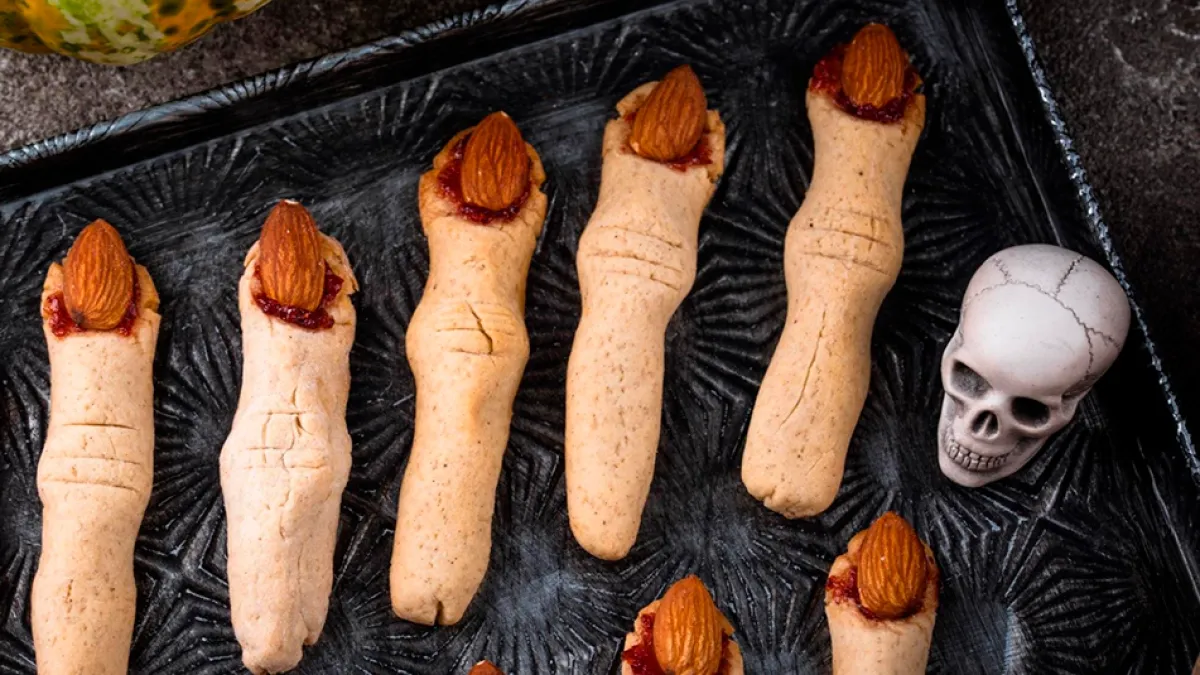
As the nights grow longer and the shadows deepen in anticipation of October 31st, the culinary world undergoes a chilling transformation. Beyond the standard candy bowls and processed treats, there is a rising trend in "gastronomic theater"—dishes that look genuinely unsettling but offer the comforting, nostalgic taste of home-baked goods. Leading this trend is the "Witch’s Finger" cookie, a masterclass in culinary illusion that has become a staple of Halloween celebrations globally.
According to culinary experts and recent features in platforms like Directo al Paladar, specifically the celebrated recipe by Esther Clemente, these cookies represent the perfect intersection of simplicity and spectacle. By using the classic base of a buttery shortbread, bakers can achieve a result that delights the palate while simultaneously causing a slight, playful "repulsion" at the dinner table.
The Anatomy of an Illusion: Main Facts and Methodology
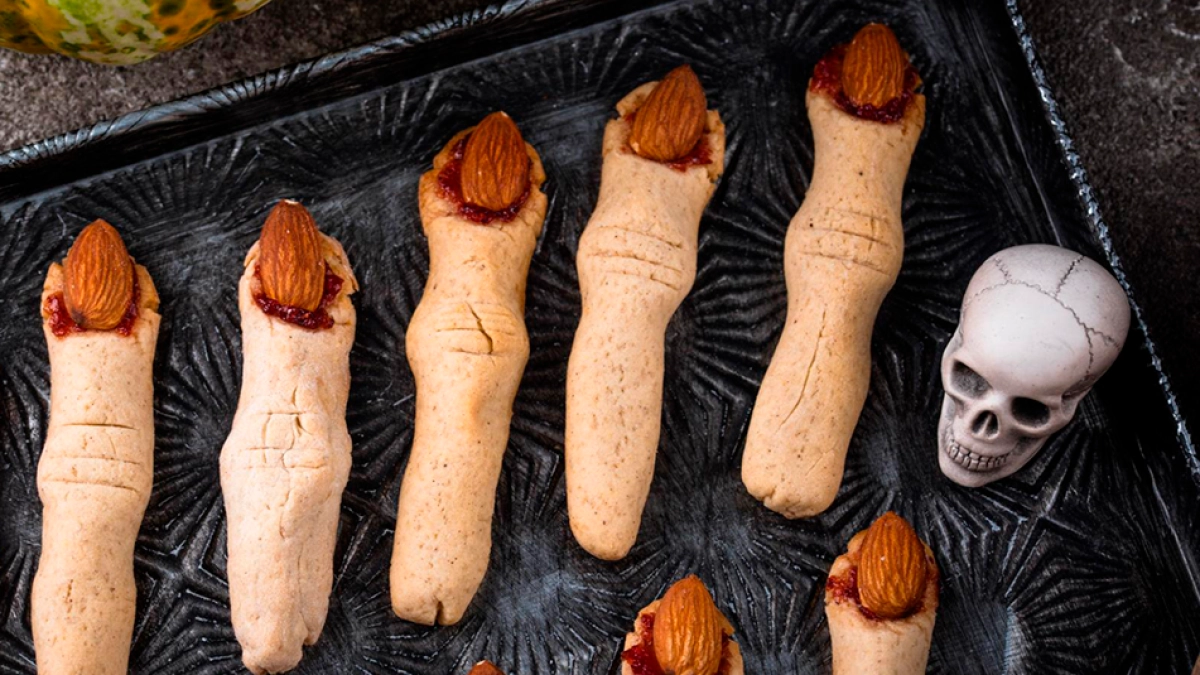
At their core, Witch’s Fingers are essentially elevated shortbread cookies. The brilliance of the recipe lies not in complex chemical reactions, but in the structural manipulation of dough and the strategic placement of a single, humble ingredient: the almond.
The process begins with a rich, buttery dough. The key to the success of this recipe is the texture; it must be malleable enough to roll into cylinders but firm enough to hold the intricate details of a human finger. As noted by professional bakers, the dough should be soft but not sticky. If the mixture feels overly dry—a common issue depending on the humidity of the kitchen—a single teaspoon of milk is sufficient to restore the necessary elasticity.
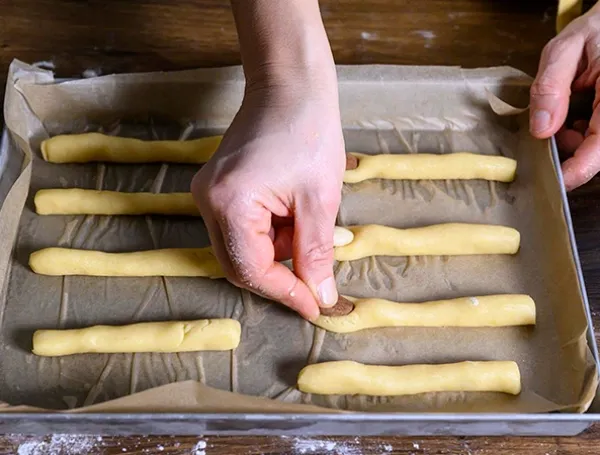
Once the dough is prepared, the artistry begins:
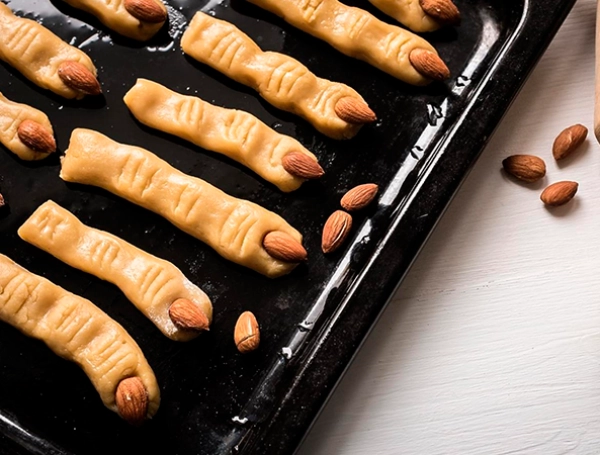
- Shaping: Each portion is rolled into a cylinder roughly the size of a human finger.
- The Anatomical Detail: Using a small paring knife or a wooden skewer, the baker marks the "knuckles." These indentations are critical; they catch the light once baked, providing the depth and shadow necessary to mimic a real finger.
- The "Nail" Placement: An entire, unpeeled almond is pressed firmly into one end of the cylinder. During the baking process, the dough expands slightly around the almond, creating a terrifyingly realistic "nail bed."
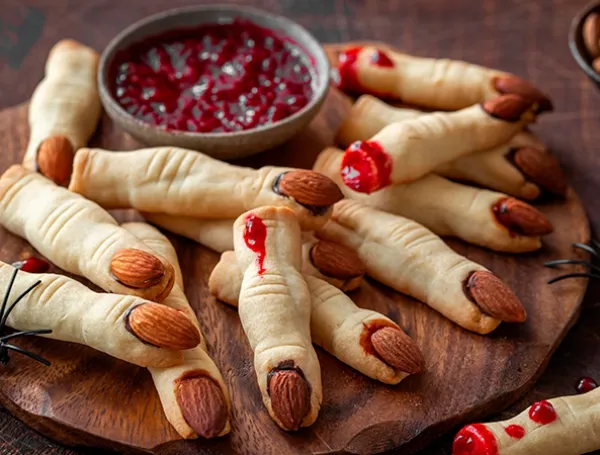
- The Finishing Touch: For those seeking an extra layer of gore, a touch of red food coloring or a dab of fruit-based glaze around the base of the almond serves as a final, macabre flourish.
A Chronology of Preparation: From Mixing Bowl to Haunted Tray
To ensure the best results for a party or a family gathering, understanding the timeline of this recipe is essential. The process is remarkably efficient, totaling approximately 75 minutes of work, but patience is required for the cooling stages.
The Preparation Phase (30 Minutes)
The initial half-hour is dedicated to creating the dough. Mixing the butter, sugar, and flour must be done with precision to ensure a crumbly yet cohesive texture. Once the dough is formed into a ball, it is essential to allow it to rest in the refrigerator. This period of chilling—typically around 30 minutes—is non-negotiable. Cold dough is significantly easier to sculpt, and it prevents the cookies from spreading too much in the oven, which would ruin the "finger-like" silhouette.
The Baking Phase (15 Minutes)
The cookies should be baked at approximately 170°C (338°F). The goal is not a deep brown color, but a light, golden hue that suggests a realistic skin tone. Vigilance is required; over-baking will lead to a dry, biscuit-like texture that lacks the buttery richness that defines a quality shortbread.
The Cooling and Presentation Phase (30 Minutes)
Perhaps the most crucial step often overlooked by novices is the cooling period. The cookies are extremely fragile when they first emerge from the oven. Attempting to move them while hot will likely result in "amputated" fingers. They must be allowed to set on the baking tray until they reach room temperature.
Supporting Data: Why This Recipe Endures
Why do these specific cookies remain a perennial favorite year after year? The answer lies in both psychology and utility.

From a utility standpoint, the recipe is highly scalable. A standard batch yields approximately 24 cookies, making it perfect for small social gatherings. However, because the dough is so robust, it can be kept in the refrigerator for several days. Bakers have noted that if they only wish to bake a dozen, they can simply reserve the remaining dough for a later date, or even repurpose it into standard, non-spooky tea biscuits.
Furthermore, the longevity of these cookies is a significant advantage. Once baked, they can be stored in an airtight container for several days, maintaining their crisp texture. This allows hosts to prepare their Halloween spread well in advance, reducing the stress of party planning.
Expert Perspectives and Culinary Implications
Food historians and contemporary chefs alike point to the "Witch’s Finger" as a symbol of the democratization of high-end culinary presentation. It requires no specialized equipment—no molds, no industrial-grade mixers, and no rare ingredients. It relies entirely on the ingenuity of the home cook.
"The appeal of the Witch’s Finger is that it turns the kitchen into a laboratory," says one food stylist. "It challenges the conventional wisdom that food must look ‘pretty’ to be appetizing. In this case, the ‘ugly’ aesthetic is the entire point. It creates a narrative experience for the guest before they even take a bite."
This psychological element—the cognitive dissonance between the grotesque appearance and the familiar, comforting taste of butter and vanilla—is what makes these cookies a social media phenomenon. They are highly "shareable," and their presence at a party almost guarantees conversation.
Advanced Techniques: Elevating the Scare
For those looking to move beyond the basics, professional bakers suggest several variations to heighten the experience:

- The "Severed" Effect: Before baking, some bakers suggest slightly twisting the dough cylinder to create a "broken bone" look, or adding a small amount of cocoa powder to the dough to give the "skin" a more weathered, aged appearance.
- The "Bloody" Dip: After the cookies have fully cooled, dipping the "severed" end into a dark, thickened raspberry or strawberry reduction can provide a vibrant, visceral contrast to the pale dough.
- Texture Enhancements: Adding a small amount of almond flour to the mixture can provide a slightly more "fleshy" or dense texture, further enhancing the realism of the bite.
Implications for the Modern Host
In an era where themed parties are becoming increasingly elaborate, the Witch’s Finger cookie serves as a reminder that the most effective party tricks are often the simplest. As households prepare for the October 31st festivities, the focus is shifting toward activities that are inclusive and engaging.
Unlike many complex pastry projects, decorating these cookies is an activity that can involve all members of the family. Children can assist in pressing the almonds into the dough, while adults can handle the precise marking of the knuckles and the delicate application of food coloring. This collaborative aspect adds a layer of memory-making to the culinary process, turning a simple baking project into a family tradition.

Furthermore, as we see in the current trends of "grazing tables" and "charcuterie boards," these cookies fit perfectly into a larger, curated Halloween spread. They pair exceptionally well with warm beverages—hot coffee or a rich, dark hot chocolate. Indeed, the sight of a "witch’s finger" being dipped into a steaming mug of cocoa is a quintessential image of the modern Halloween aesthetic.
Conclusion: A Timeless Classic
As we look toward the upcoming celebrations, it is clear that the Witch’s Finger cookie is not merely a passing fad. Its endurance is rooted in its ability to marry the fundamental joy of baking with the festive spirit of the season. It is a dish that invites us to play with our food, to embrace the absurd, and to find beauty—and flavor—in the uncanny.

Whether you are a seasoned baker or a novice looking to impress your guests, this recipe offers a reliable, delicious, and undeniably spooky addition to your Halloween table. So, as you gather your ingredients this October, remember: the secret isn’t just in the flour and butter, but in the imagination you bring to the tray. Happy baking, and may your Halloween be as sweet as it is terrifying.