By Editorial Staff, Justice Desk
October 27, 2026
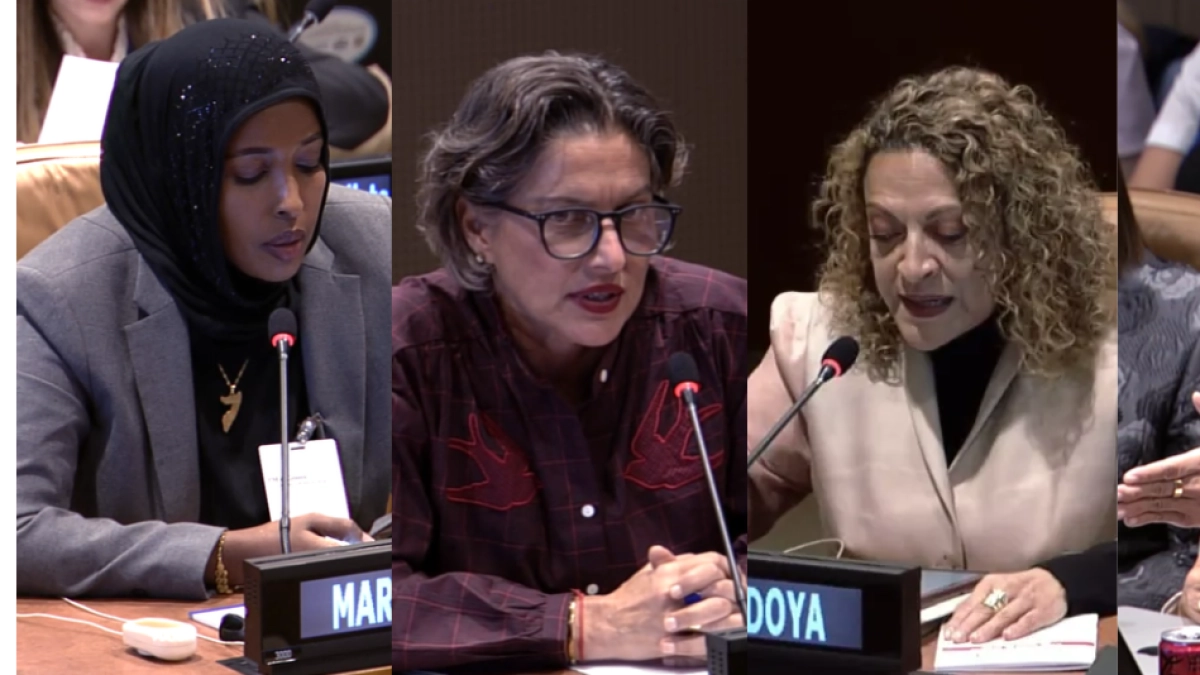
In a powerful demonstration of solidarity and urgency, a coalition of prominent women journalists from five nations—Afghanistan, Colombia, the Philippines, Somalia, and Sudan—converged at the United Nations headquarters in New York this week. The event, titled "Every Voice Counts for Peace: New Perspectives on the Women, Peace, and Security Agenda," served as a stark reminder that the freedom of the press is not merely a professional ideal, but a matter of physical survival for those reporting from the world’s most volatile conflict zones.
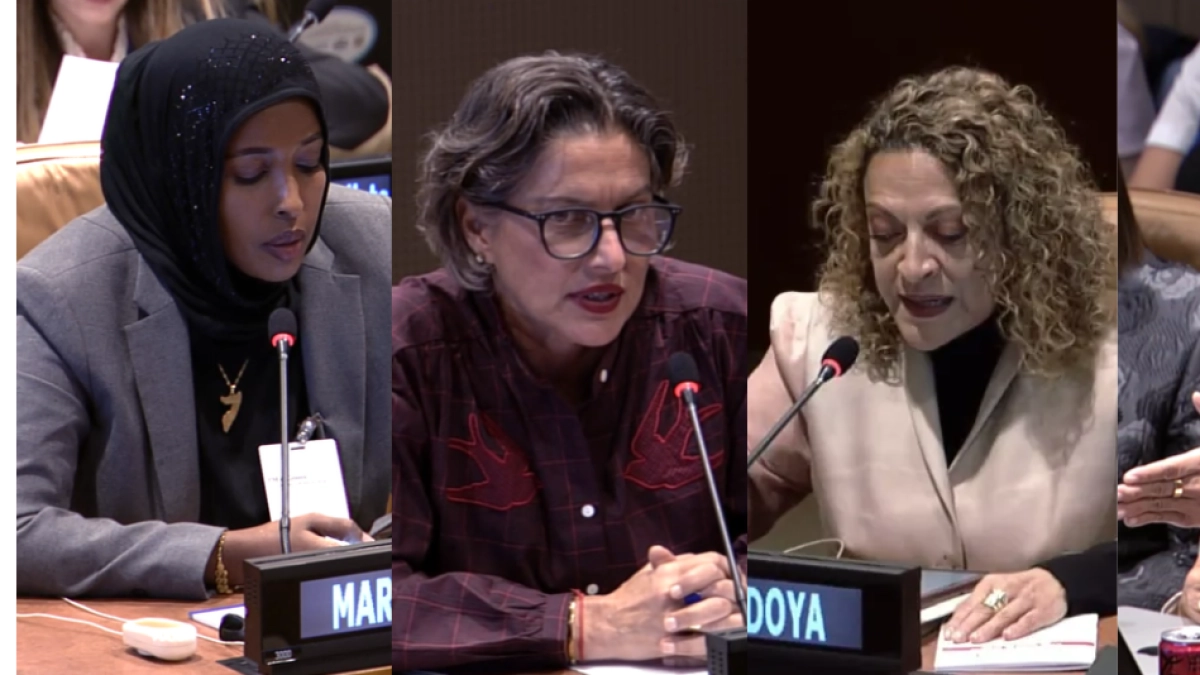
Organized by the Permanent Mission of Greece to the United Nations and UN Women, the forum was presided over by Melissa Fleming, the UN Under-Secretary-General for Global Communications. The gathering was not a ceremonial affair but a high-stakes appeal for concrete, legally binding international measures to curb the escalating physical and digital violence targeting women who dare to document the truth.
The Frontline Reality: A Call for Global Action
The atmosphere inside the UN hall was charged with the gravity of the experiences shared by the participants. For these women, the distinction between the "digital" and "physical" worlds has all but evaporated. As Maria Ressa, the Nobel Peace Prize laureate and CEO of Rappler, eloquently argued, "The digital world and the physical world are one and the same reality. Violence online is violence in the real world."

Ressa, who has faced years of state-sponsored harassment and legal persecution in the Philippines, warned that the weaponization of the internet—facilitated by sophisticated algorithms and the rise of artificial intelligence—has created a new frontier of intimidation. These attacks are not random; they are coordinated, strategic, and designed to silence dissenters by destroying their credibility and psychological well-being.
Chronology of an Escalating Crisis
The urgency of the meeting was underscored by a decade of alarming trends in press freedom. While the period between 2013 and 2023 saw a six-fold increase in conflict-related reporting, the narrative remains profoundly lopsided.
- 2013–2023: Analysis of global conflict reporting indicates that while the volume of coverage grew, only 5% of articles focused on the actual experiences of women within these conflicts.
- The Gender Gap: A staggering 0.04% of coverage mentioned female leaders or female perspectives in peace negotiations.
- October 27, 2026: The UN assembly formally convenes to address the "Women, Peace, and Security" agenda, specifically highlighting the precarious status of women journalists.
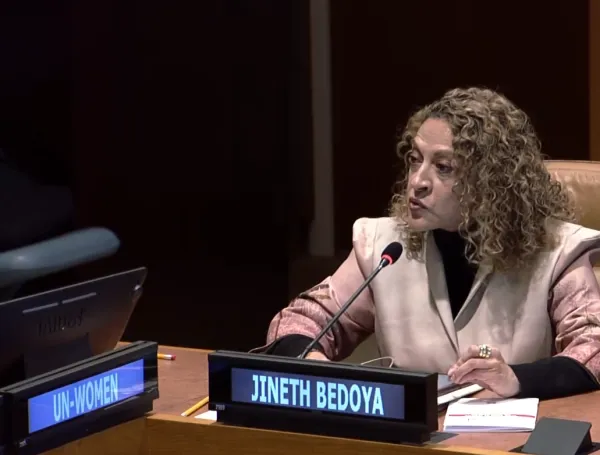
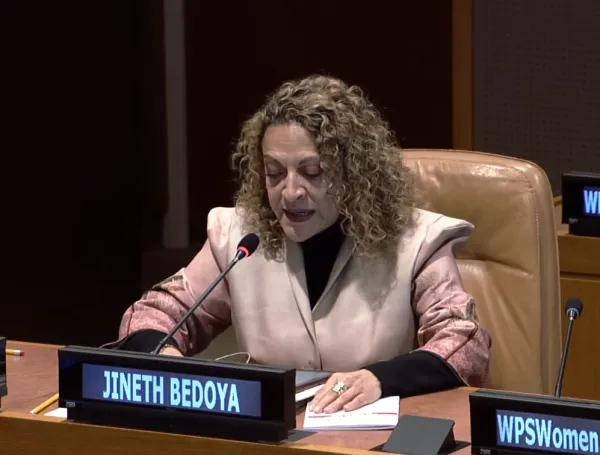
- The Proposed Protocol: During the session, Colombian journalist and EL TIEMPO Gender Editor, Jineth Bedoya Lima, presented a groundbreaking draft protocol aimed at providing standardized workplace guarantees for women journalists.
The Cost of Silence: Supporting Data and Insights
The data presented by the participants paints a grim picture of the current state of global journalism. The underrepresentation of women in conflict reporting is not just an issue of journalistic balance; it is an issue of incomplete history. When women are excluded from the reporting process, the resulting accounts of war and peace are fundamentally flawed.
Maria Ressa highlighted a chilling reality: "Every woman journalist forced out of a conflict zone represents a peace process losing one of its witnesses." The systematic exclusion of women from the narrative creates a vacuum where extremist ideologies often thrive, and where the specific humanitarian needs of women and children are ignored during the post-conflict reconstruction phases.
Furthermore, the surge in digital violence—often involving doxxing, gendered slurs, and deep-fake technology—has forced many journalists to retreat from public life. This "chilling effect" suppresses the right of the public to be informed, effectively privatizing the truth and leaving communities vulnerable to misinformation.
Personal Testimony: The Price of Truth
Perhaps the most poignant moment of the session came from Jineth Bedoya Lima. As a veteran journalist from Colombia, Bedoya’s life has been defined by her commitment to uncovering the truth despite relentless threats. Even today, she continues her work under the protection of security details and travels in armored vehicles—a reality that serves as a permanent, visceral testament to the dangers of investigative journalism in a fragile democracy.

"Our work does transform lives; it does save lives," Bedoya declared. Her presentation of a new safety protocol is intended to move beyond rhetoric. The document outlines a framework for media organizations and states to provide:
- Risk Assessment: Mandatory, ongoing evaluations for journalists operating in high-risk zones.
- Digital Protection: Support systems to mitigate the impact of online harassment and cyber-attacks.
- Legal Recourse: Clearer pathways to justice, effectively ending the culture of impunity that emboldens perpetrators.
Bedoya’s message to the international community was blunt: "Not acknowledging the problem only fuels the impunity."

Official Responses and the UN Mandate
The forum served as a direct invocation of the UN Security Council’s Resolution 1325, which mandates the protection of women and the promotion of their participation in peace processes. Melissa Fleming, representing the UN, acknowledged the systemic nature of the threat. She noted that the UN is increasingly looking at the safety of journalists as a fundamental pillar of its "Women, Peace, and Security" mandate.
The consensus among the delegates was that the international community has reached a tipping point. Without the active involvement of women—as journalists, analysts, and peacebuilders—sustainable peace is mathematically and socially impossible. The session concluded with a call for:

- Institutional Accountability: States must be held responsible for the safety of journalists within their borders.
- Technological Governance: Tech companies must be held to higher standards regarding the moderation of abuse and the mitigation of AI-facilitated violence.
- Integrated Security: Security for journalists must be holistic, covering both their physical safety and their psychological and digital integrity.
Implications for the Future of Journalism
The implications of the summit are profound. If the international community fails to act on the protocols proposed by the delegates, the cost will be paid by societies that will be increasingly deprived of independent information. The exclusion of women from the newsroom, especially in conflict-affected regions, creates a "blind spot" in the global consciousness.
As the meeting closed, the message was clear: The fight for the safety of women journalists is the fight for the integrity of democracy itself. The participants urged the United Nations to move from symbolic resolutions to enforceable policies.

The path forward, according to the journalists, lies in recognizing that every attack on a female journalist is an attack on the public’s right to know. The "Every Voice Counts" initiative is not just a call for safety; it is a demand for a seat at the table where the future of peace is negotiated. As the world watches these five nations—and others like them—struggle to balance the pursuit of truth with the necessity of survival, the global community is reminded that the price of a free press is eternal vigilance, and the time for half-measures has long since passed.
For more information on the ongoing initiatives regarding the safety of journalists and the full text of the proposed protocols, readers are encouraged to follow the official updates from the UN Department of Global Communications and the Gender Desk at EL TIEMPO.