By Editorial Staff
Updated: September 26, 2026
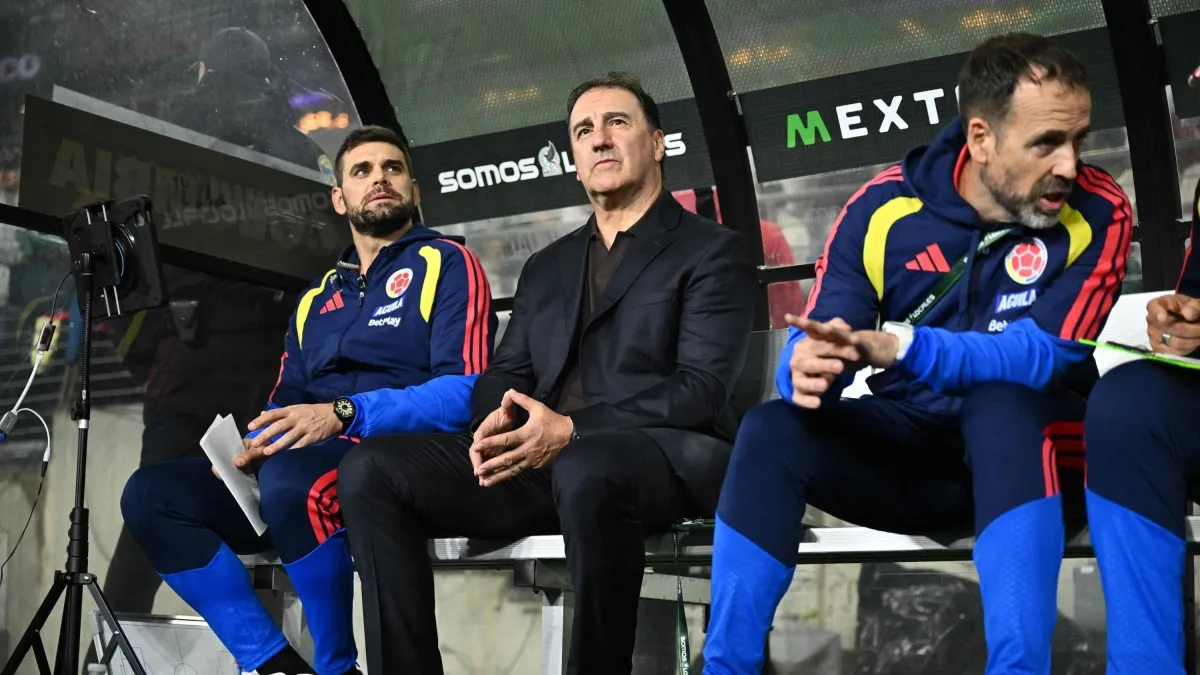
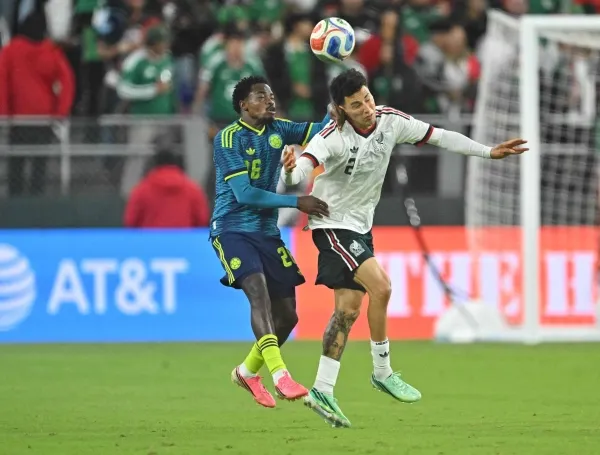
The post-World Cup landscape for the Colombian National Team has begun with a demanding test of character. In the first friendly match following their exit in the Round of 16 at the 2026 FIFA World Cup, the "Cafeteros" faced a tactical chess match against Mexico. While the result was a draw, the focus of the match was not the scoreline, but the structural adjustments implemented by head coach Néstor Lorenzo as he begins the process of refreshing his squad for the next international cycle.
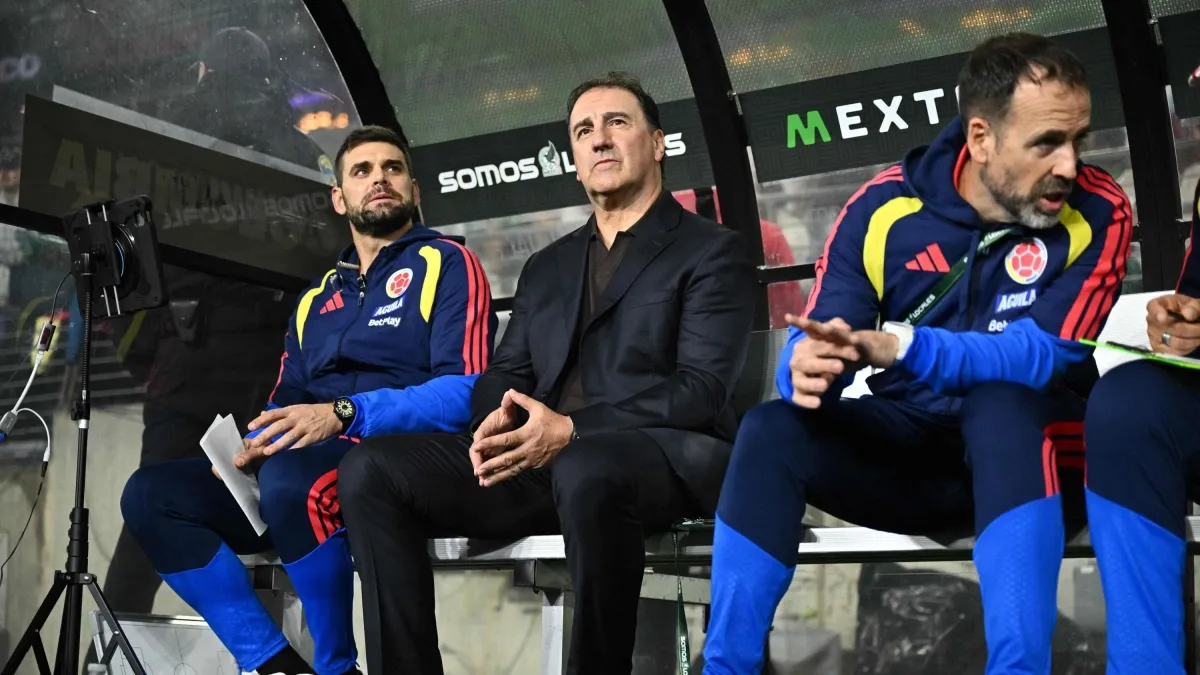
A Tale of Two Halves: Analyzing the Tactical Shift
The narrative of the match was defined by a stark contrast between the first and second halves. Néstor Lorenzo, the Argentine strategist who has been at the helm of the Colombian project, was candid in his assessment of the encounter. He acknowledged that the Mexican side dictated the rhythm and intensity during the opening 45 minutes, exposing vulnerabilities in Colombia’s high-pressing system.
"I feel that in the first half, above all, Mexico was superior to us," Lorenzo admitted during the post-match press conference. "We arrived late to our pressure triggers; we wanted to implement a much higher defensive line, but we struggled to execute it effectively. However, in the second half, we made the necessary adjustments, and the flow of the game became much more balanced."

This admission serves as a cornerstone for the new cycle. Lorenzo is prioritizing a proactive, high-intensity style, but the execution against a side as disciplined as Mexico highlighted that the team is still in a developmental phase. The "late pressure" that the coach identified led to gaps between the lines, allowing Mexico to control the transition game and force Colombia into defensive scrambling.
Chronology of the Match: From Vulnerability to Stabilization
The match unfolded as a tactical experiment for both sides, but specifically for Colombia, it served as an audit of the current roster’s depth.
- The Initial Struggle: From the opening whistle, Mexico dominated the midfield battle. By pushing their fullbacks high and isolating Colombian midfielders, they managed to bypass the initial defensive wall, forcing Álvaro Montero into several key interventions.
- The Half-Time Reset: Recognizing the lack of cohesion, Lorenzo opted not to overhaul the personnel immediately, but rather to shift the tactical instructions. By tightening the gap between the midfield and the defensive line, Colombia managed to stifle Mexico’s creativity in the middle of the park.
- The Second Half Evolution: The adjustments bore fruit. Colombia began to win second balls, a point of contention for Lorenzo in the first half, and initiated faster transitions from the back. The game transitioned from a one-sided affair to a competitive stalemate, reflecting the team’s ability to absorb information and adapt under pressure.
Supporting Data: Assessing the New Guard
A significant portion of the conversation surrounding this fixture was the integration of fresh talent. With veterans cycling out and new prospects looking to claim their spots, the performance of players like Matías Orozco and Kevin Viveros was closely monitored.
While Lorenzo refrained from singling out individuals for criticism or undue praise, he was clear about his satisfaction with the collective effort. "I am satisfied with the commitment; I believe the players gave their absolute best. It was an intense match," he remarked. "The attitude of the team was good, and the debut of the youngsters who came in was promising. We feel there is a future here."
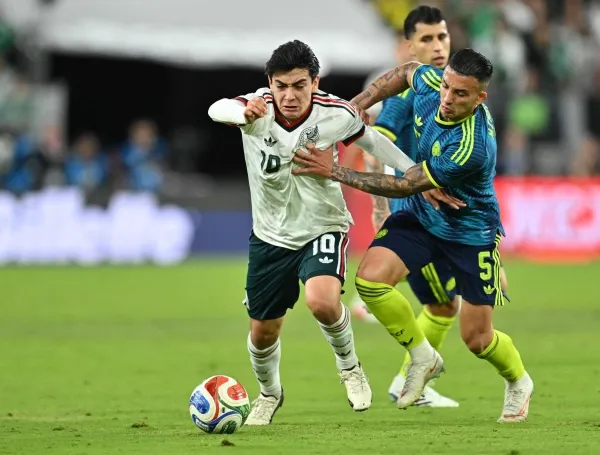
The tactical versatility of players like Jhon Arias also came to the fore. Tasked with wearing the iconic number 10 jersey, Arias played a fluid role, starting as a right winger before being moved to the left and eventually slotting into a deeper midfield position. This positional fluidity is exactly what Lorenzo is looking for as he seeks to make his team less predictable for future qualifying campaigns.
Official Responses and Tactical Transparency
Néstor Lorenzo’s transparency regarding the team’s failings has become a hallmark of his tenure. He did not attempt to mask the errors, specifically highlighting the "slow buildup" from the back.
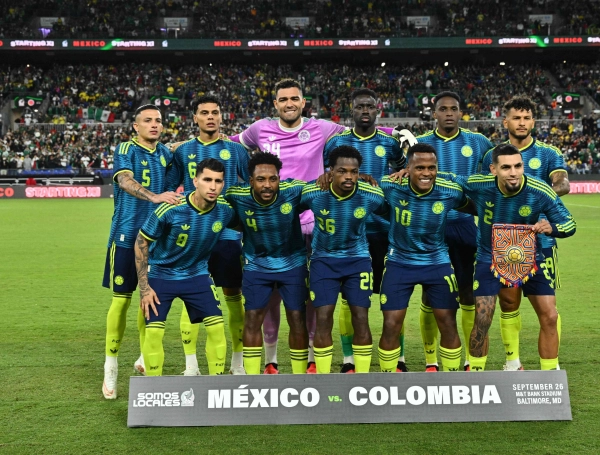
"We committed errors, sometimes in the final third, and at other times in our distribution from the back," Lorenzo explained. "We were too slow in our exits, which allowed Mexico to execute their press effectively. They did that very well, and it is a clear area for improvement."
When questioned about the selection of Álvaro Montero in goal—a decision that has been debated given the depth of the goalkeeper pool—Lorenzo was definitive. "Montero is a player who comes in with excellent momentum from Boca Juniors. He has had very strong performances, and we know his quality and what he can provide. Every time he has been called upon, he has delivered, so we are continuing to give him minutes to build experience."
Implications for the Future
The draw against Mexico is more than just a scoreline; it is a signal of the post-World Cup transition. Several key takeaways emerge:
1. The Necessity of Tactical Flexibility
Lorenzo is moving away from a rigid system. The movement of Jhon Arias and the tactical shift at halftime suggest that the coaching staff is prioritizing players who can adapt to different roles within the same 90 minutes.

2. The "Correction" Culture
The coach’s focus on "correctable errors" indicates a long-term vision. By identifying the slow buildup and the failure to handle high pressure as specific, fixable technical issues, Lorenzo is setting a standard of accountability that requires players to be intellectually engaged with the game plan.
3. Generational Transition
The inclusion of younger players like Samuel Velásquez and Yaser Asprilla, who are returning to the fold, alongside the debutants, confirms that the coaching staff is in the process of retooling. The 2026 World Cup experience, while disappointing in its early exit, has clearly served as a catalyst for a more rigorous assessment of who has the technical and mental fortitude to represent the national team in the coming years.

4. The Challenge of Consistency
The primary challenge for Colombia moving forward will be replicating the second-half performance across the full duration of future matches. The disparity between the two halves suggests that while the team has the talent, they currently lack the "game management" experience required to control matches against high-quality opposition from the start.
Conclusion: A Work in Progress
As the Colombian National Team looks toward the next major continental and global tournaments, the draw against Mexico provides a healthy reality check. It highlights that the talent pool remains deep, but the transition into a cohesive, high-pressing, and tactically adaptable unit is a work in progress.

Néstor Lorenzo is not seeking short-term glory in these friendlies; he is building a foundation. By testing new configurations, rotating personnel in key positions, and forcing the squad to navigate difficult tactical scenarios, he is ensuring that when the competitive pressure of the next qualifying cycle returns, his team will be better prepared to handle the intensity of international football.
The path forward for Colombia is clear: refine the buildup, maintain the high-intensity defensive structure, and continue to integrate young talent without losing the competitive edge that the national team is known for. The "new cycle" has begun, and if the post-match reflections are any indication, the staff is ready to face the challenges ahead with a focus on growth, discipline, and tactical evolution.