As the year 2026 enters its final quarter, the people of Colombia are preparing for a series of upcoming breaks that solidify the nation’s standing as a global leader in public holidays. With 19 official rest days recorded throughout the year—a figure unmatched by any other member of the Organization for Economic Cooperation and Development (OECD)—Colombia continues to maintain a unique cultural and legislative approach to work-life balance.
This article explores the landscape of the remaining 2026 holiday calendar, the history behind these commemorations, and the broader socioeconomic implications of a country that prioritizes a robust schedule of national observances.
The Landscape of Rest: Why Colombia Leads the OECD
According to data compiled by organizations such as the Pew Research Center, Colombia consistently ranks at the top of international charts regarding the number of annual statutory holidays. In 2026, this status was further cemented by the passage of Law 2578, which formally introduced the "Day of the Virgin of Chiquinquirá" into the national calendar.

This legislative addition brought the total count of official holidays to 19 for the current year, effectively placing Colombia ahead of its OECD peers. While many nations have moved toward streamlining their holiday calendars to maximize industrial productivity, Colombia has maintained a tradition that emphasizes the intersection of religious observance, historical reflection, and the celebration of national identity.
Chronology: The Remaining Holidays of 2026
For the millions of Colombians looking ahead to the final three months of the year, there are five significant opportunities for rest and reflection remaining between October and December.
1. October 12: The Day of Ethnic and Cultural Diversity
The next major milestone in the calendar is October 12. While historically recognized as the "Discovery of America" or the "Day of the Race" (Día de la Raza), the day has undergone a significant rebranding in recent years. Today, it is officially known as the Day of Ethnic and Cultural Diversity of the Nation.

This shift in nomenclature, championed by the Office of the Ombudsman (Defensoría del Pueblo), is more than a mere change in title; it is a profound move toward decolonization and inclusivity. The goal is to move away from the eurocentric narrative of "discovery" and instead celebrate the multi-ethnic and pluricultural heritage that defines modern Colombia.
2. November: Two Key Commemorations
November presents two distinct breaks for the population:
- November 2: A day traditionally set aside for reflection.
- November 16: A mid-month pause that provides a significant boost to domestic tourism and family gatherings.
3. December: The Holiday Season Peak
December is characterized by the most anticipated festivities in the country.
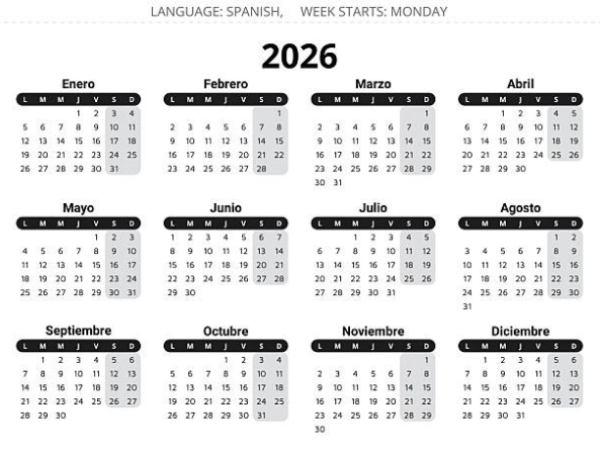
- December 8: This day, which falls on a Tuesday in 2026, follows the beloved "Día de las Velitas" (Day of the Little Candles) on December 7. It is a time when the entire country is illuminated with lights, marking the unofficial start of the Christmas season.
- December 25: The final public holiday of the year, occurring on a Friday, brings the 2026 calendar to a close with the celebration of Christmas.
Historical Context: The Evolution of the "Día de la Raza"
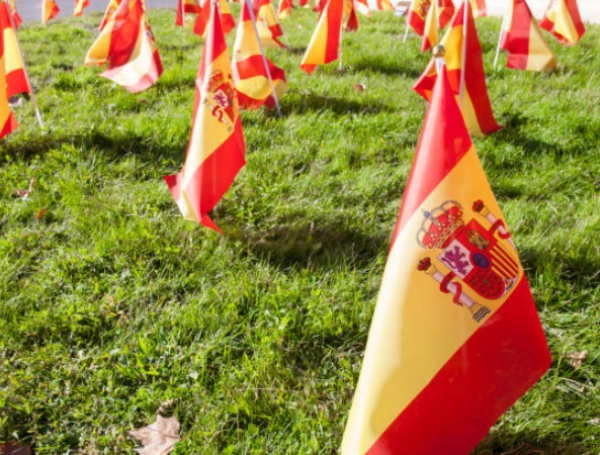
To understand the significance of the October holiday, one must look back to 1914. It was in that year that the Spanish minister Faustino Rodríguez coined the term "Día de la Raza" with the intention of celebrating the Hispanic heritage and the cultural synthesis resulting from the encounter between Europe and the Americas.
By 1915, the holiday had become an official national celebration in Spain and subsequently spread across several South American nations. The original intent was to foster a sense of unity among the descendants of Spanish colonizers, indigenous populations, mestizos, and immigrants who arrived in the Americas during the late 19th and early 20th centuries.
However, as the 21st century has progressed, many Latin American nations have sought to redefine this day to better reflect the realities of their indigenous and Afro-descendant populations. As noted by the Defensoría del Pueblo, the move to rename the day to "Day of Ethnic and Cultural Diversity" serves to acknowledge the complex history of the nation while highlighting the resilience and vibrancy of its diverse cultures.

Regional Perspectives on the Date
Colombia is not alone in re-evaluating this historical date. Across the continent, neighboring nations have adopted their own unique terminology:
- Argentina: Known as the "Day of Respect for Cultural Diversity" since 2010.
- Ecuador: Referred to as the "Day of Interculturality and Plurinationality."
- Mexico: Recognized as the "Day of the Pluricultural Nation."
These regional shifts represent a broader continental movement to honor the original inhabitants of the Americas while maintaining a respectful dialogue regarding the colonial past.
Supporting Data and Socioeconomic Impact
The high number of holidays in Colombia carries significant weight for the national economy. While the tourism and hospitality sectors generally thrive during "long weekends" (puentes festivos), labor experts often debate the impact on industrial output.
The Tourism Multiplier
The "puente festivo" model, which allows for extended weekends, is a cornerstone of the Colombian tourism strategy. Domestic travel sees a sharp increase during these periods, as families from major urban centers like Bogotá, Medellín, and Cali flock to coastal regions, mountain resorts, and rural heritage towns. This surge in mobility drives revenue for airlines, bus lines, restaurants, and small-scale souvenir artisans.
Labor Productivity and Legislation
From a legislative perspective, the creation of new holidays—such as the aforementioned Law 2578—is often driven by social or religious pressure groups. While some economists argue that excessive holidays can reduce GDP growth, the cultural argument for these breaks is rooted in the preservation of social cohesion. Proponents argue that the mental health benefits of regular, scheduled rest contribute to a more stable and satisfied workforce, which in turn can lead to higher long-term efficiency.
Official Responses and Public Sentiment
The government’s decision to maintain a high volume of holidays is often met with mixed reactions. While the business sector occasionally voices concerns regarding the cost of overtime pay for employees who work on holidays, the public sentiment remains overwhelmingly positive.

The Office of the Ombudsman has been instrumental in framing these holidays not just as "days off," but as "days of identity." By focusing on the Day of Ethnic and Cultural Diversity, the state is effectively using the holiday calendar as a tool for public education. The aim is to create a national consciousness that recognizes Colombia’s status as a nation defined by its diverse roots rather than a singular colonial narrative.
Furthermore, religious authorities have welcomed the stability of the holiday schedule, noting that these days allow families to participate in vital community rituals that might otherwise be neglected in a fast-paced, modern work environment.
Implications: A Future-Forward Outlook
As Colombia moves toward the close of 2026, the question of whether to continue expanding the holiday calendar remains a topic of national discussion.

The Path Ahead
If the current trend holds, we may see more localized holidays being elevated to the national level, or perhaps a move toward even more inclusive terminology for existing dates. The challenge for policymakers will be to balance the desire for social and cultural recognition with the pragmatic needs of an economy striving for greater competitiveness on the global stage.
Conclusion
The 2026 calendar serves as a reflection of Colombia’s priorities: a commitment to its religious traditions, an active engagement with its complex history, and a strong emphasis on the importance of family and leisure time. With five major holidays still on the horizon, the nation is poised to end the year on a note of celebration, reflection, and unity.
As the country prepares for the upcoming October, November, and December breaks, the focus will undoubtedly shift toward the "puente festivo" culture that has become synonymous with the Colombian lifestyle. Whether it is the quiet reflection of the Day of Ethnic and Cultural Diversity or the vibrant, light-filled atmosphere of the December festivities, these holidays remain integral to the Colombian experience.

For those traveling or planning their remaining time off for 2026, the calendar provides ample opportunity to experience the diversity and cultural richness that makes the nation stand out on the global stage. As we look toward 2027, the debate on work-life balance and the value of public holidays will surely continue, but for now, the citizens of Colombia can look forward to a well-deserved rest in the months to come.