By Edwin Caicedo | Environmental and Health Journalist
Published: September 7, 2026
Main Facts: The Physics and Chemistry Behind the Perfect Batter
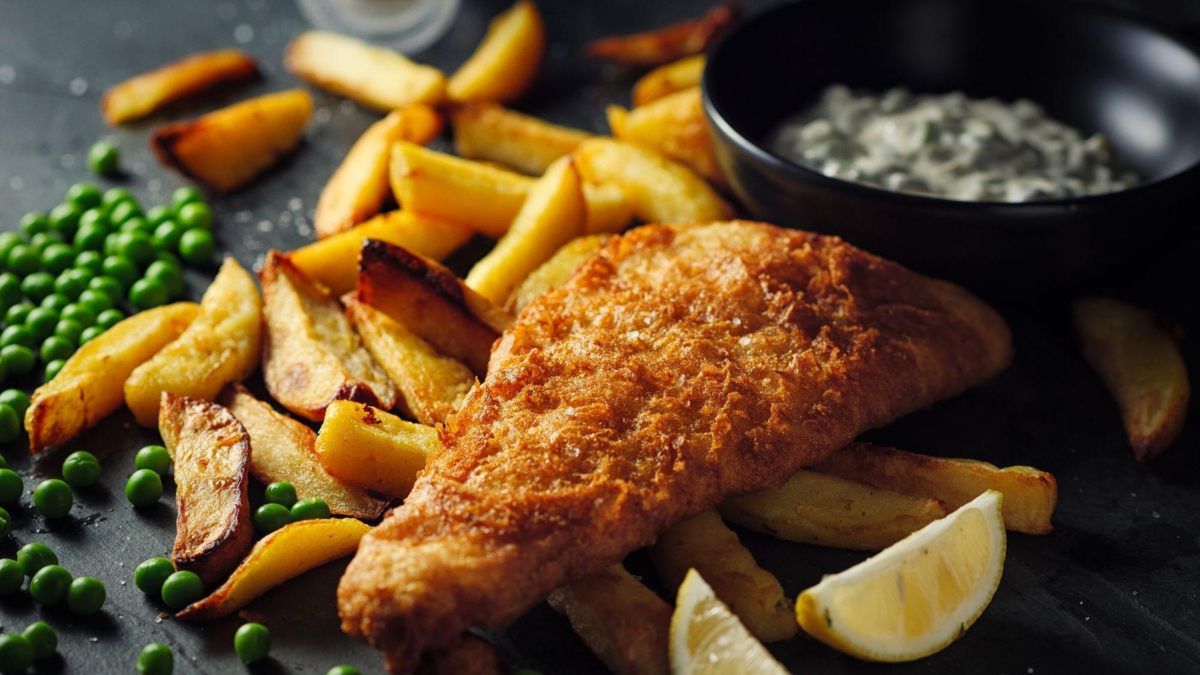
For anyone striving to craft the ultimate piece of fried fish—one defined by an ethereal, golden-brown crust rather than a heavy, grease-logged coating—the kitchen holds a surprisingly unconventional ally: beer. Long dismissed as little more than an urban legend traded among home cooks, culinary science has officially validated the practice. Replacing a portion of the traditional water and flour in a batter with beer measurably and dramatically transforms the texture of fried foods.
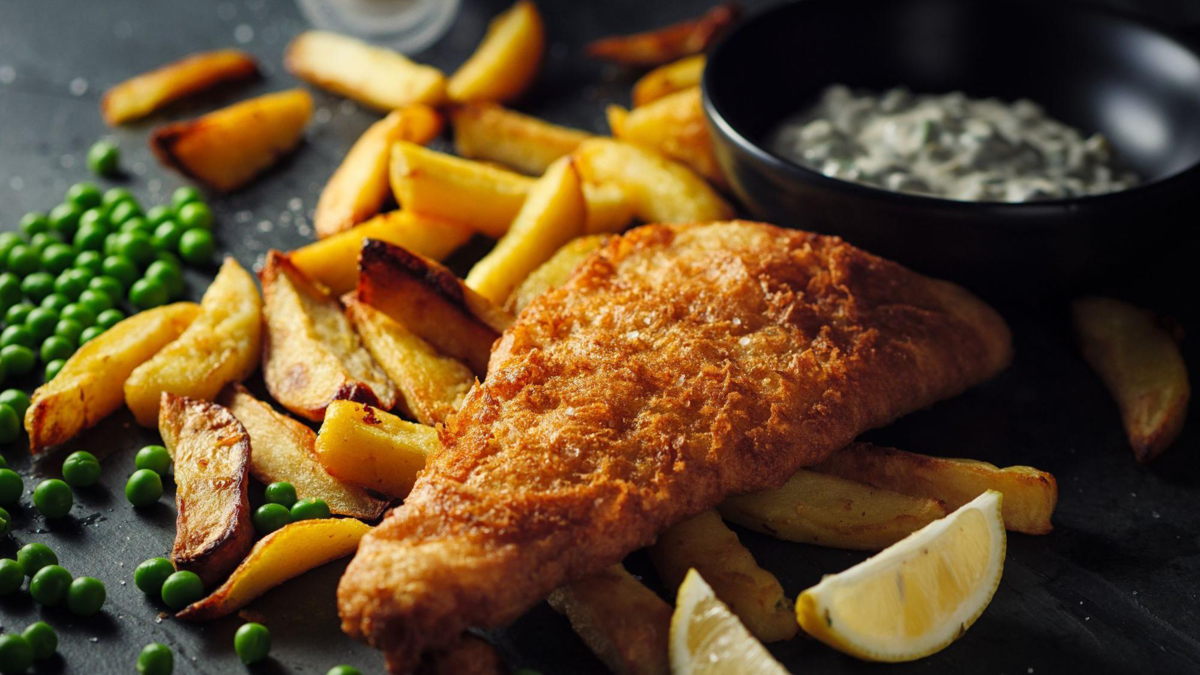
At the core of this transformation is a mix of simple physics and organic chemistry. According to extensive findings published in Scientific American, when a beer-based batter hits hot oil, the solubility of the carbon dioxide dissolved within the beverage plummets drastically. The resulting gas bubbles rapidly expand, inflating the batter from within. This creates a remarkably light, airy, and lace-like matrix on the exterior of the food.
Culinary laboratories, including the renowned testing facility America’s Test Kitchen, point to another vital factor: gluten management. Gluten forms much more easily in a neutral or slightly basic environment (typically a pH of 5 to 6). Because most carbonated beverages carry a more acidic pH of around 4, the beer lowers the overall pH of the batter. This slight acidity inhibits excessive gluten development, ensuring that the coating remains delicate and tender rather than tough or rubbery.

Ultimately, scientific consensus confirms that a great beer batter relies on a trinity of elements: carbon dioxide for aeration, foaming agents to stabilize the bubbles, and alcohol to accelerate moisture evaporation.
Chronology: From Tavern Lore to Laboratory Validation
To understand how a humble pub trick transformed into a validated culinary science, it helps to look at the timeline of how this method gained professional and empirical backing.

- The Pre-Modern Era (Mid-20th Century and Earlier): Generations of home cooks, street-food vendors, and traditional fish-and-chip shops across Europe and the Americas instinctively swapped out water for cold beer in their batters. While they lacked the instrumentation to explain why it worked, empirical success kept the tradition alive across centuries.
- Late 20th Century: Culinary pioneers and early food science communicators began examining deep-frying dynamics. They identified that steam and gas expansion played vital roles in creating crispiness, setting the stage for formal laboratory testing.
- The 2010s (Empirical Testing Begins): Professional test kitchens, most notably America’s Test Kitchen, initiated rigorous, controlled trials. By comparing batters made with standard water, club soda, and various beers, they isolated the exact properties responsible for the superior crunch.
- Present Day (The Scientific Consensus): Publications like Scientific American and platforms specializing in precision cooking like ChefSteps have fully decoded the physics of the fryer. Today, top-tier restaurants and culinary schools explicitly teach the chemistry of carbonation and alcohol evaporation, cementing beer batter as a technique rooted in hard science rather than kitchen folklore.
Supporting Data: What the Experiments Reveal
To separate kitchen myths from actual chemical advantages, researchers have conducted rigorous comparative tests. The data paints a clear picture of what makes this method superior to standard water-and-flour mixtures.
1. The Carbonation Factor
In blind and controlled cooking trials conducted by America’s Test Kitchen, chefs fried identical pieces of fish using four different liquid bases: standard tap water, flat water, non-alcoholic beer, and traditional alcoholic beer.
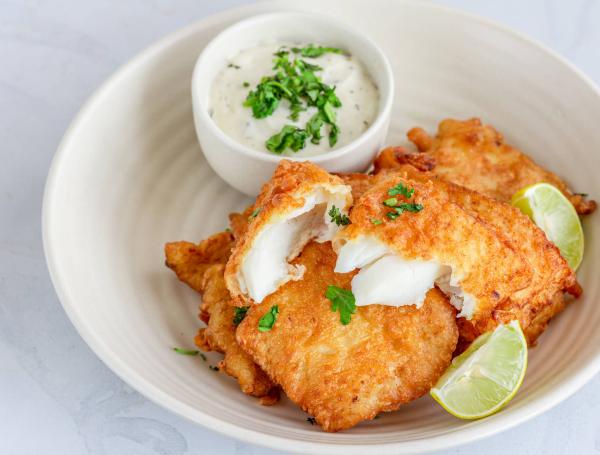
The results were definitive: every single batter incorporating a carbonated liquid produced a noticeably lighter, more lace-like, and crispier crust than the plain water variants. This proved that carbonation—not alcohol content—is the primary driver behind the coveted texture. The dissolved gases act as natural leavening agents, pushing outward as they turn into vapor and creating microscopic pockets of air within the coating.
2. The Role of Alcohol
While carbonation does the heavy lifting regarding texture, alcohol plays a vital secondary role. Precision cooking platforms like ChefSteps note that ethanol evaporates at a significantly lower temperature and faster rate than water.
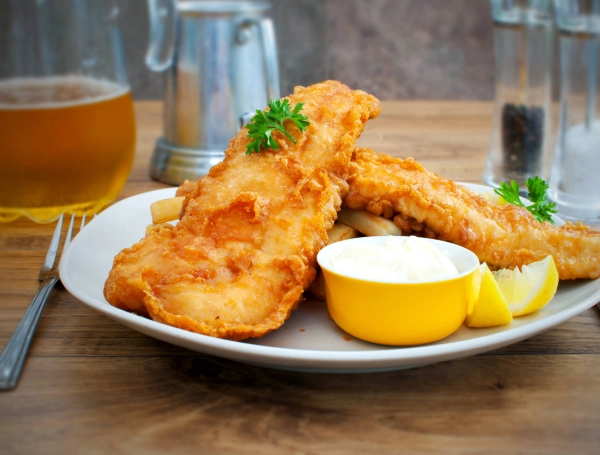
When a beer-based batter hits 375°F (190°C) oil, the alcohol flashes off almost immediately. This rapid evaporation dries out the outer shell much faster than water alone could manage. The benefit is twofold:
- It locks in the crunch early in the frying process.
- It drastically reduces the time the food spends submerged in hot oil, preventing the interior protein (like delicate fish fillets) from overcooking or drying out.
Official Responses and Culinary Expert Insights
Professional chefs and food scientists agree that while beer is a powerful tool, it must be integrated correctly into a broader understanding of culinary technique.

"The magic of beer batter isn’t just about adding flavor; it’s an active chemical reaction. The combination of dissolved CO2, proteins acting as foaming agents, and a lower pH level works in unison to fight off the heavy, dense textures that ruin fried food," notes a senior food science researcher from America’s Test Kitchen.
Culinary instructors emphasize that the science only works if certain parameters are respected. Professional chefs routinely advise adhering to a few golden rules when executing this method in a home kitchen:

- Temperature matters: The beer must be ice-cold when mixed into the dry ingredients. The thermal shock of cold batter hitting hot oil creates an aggressive expansion of gas, maximizing the crispiness.
- Do not overmix: Overworking the batter activates the gluten that the beer’s acidity tried to suppress. A lumpy, slightly uneven batter yields the best textural results.
- Oil management: Even the most advanced science cannot salvage a soggy crust if the frying oil is too cold. Maintaining a stable oil temperature (typically between 375°F and 400°F) is essential for the rapid evaporation that beer facilitates.
Implications: Elevating Home Cooking Through Food Science
The validation of beer-based batters carries broader implications for both home cooks and the broader culinary arts. It highlights a growing trend: the democratization of food science.
By understanding why certain traditional techniques work—such as how carbonation alters pH levels, inhibits gluten, and accelerates evaporation—home cooks are better equipped to troubleshoot their kitchen failures. No longer restricted to rigid, unyielding recipes, cooks can experiment with variables like club soda, sparkling mineral water, or different styles of beer (from crisp lagers to malty ales) to customize their results.

Ultimately, this scientific approach bridges the gap between generations of ancestral cooking wisdom and modern laboratory precision. It proves that the iconic, golden-brown fish fry is not merely a matter of luck, but a masterclass in applied physics and chemistry—unlocked simply by opening a cold bottle of beer.