By Edwin Caicedo, Environment and Health Correspondent
As the holiday season approaches, thousands of citizens across the globe are preparing to swap traditional festivities for a different kind of ritual: the precise, quiet, and deeply scientific act of "birding." Between December 14, 2026, and January 5, 2027, the world’s longest-running community science initiative—the Christmas Bird Count (CBC)—will mark its 126th edition. For Colombia, a nation holding the world record for avian biodiversity with over 1,900 species, this year’s event represents more than just a hobby; it is a critical opportunity to map the health of the country’s ecosystems.
A Historical Pivot: From Tradition of Blood to Tradition of Science
The origins of the Christmas Bird Count date back to 1900 in the United States, emerging from a conservationist push against a cruel holiday tradition known as the "side hunt." At the time, it was customary for hunters to compete to see who could shoot the most birds during the Christmas season.
Ornithologist Frank Chapman, an early officer in the fledgling Audubon Society, proposed an alternative: instead of killing birds, why not count them? That first year, 27 participants across 25 locations counted 18,500 individual birds representing 89 species.

What began as a small act of protest has evolved into a global phenomenon. In its most recent edition, the CBC mobilized over 85,000 observers across 2,701 counting circles in 21 countries. In Latin America and the Caribbean alone, 182 circles were established, involving roughly 4,500 dedicated volunteers. This longitudinal data has become an invaluable asset for scientists monitoring shifts in migratory patterns, climate change impacts, and population declines.
The Colombian Context: A Biodiversity Hotspot in Need of Data
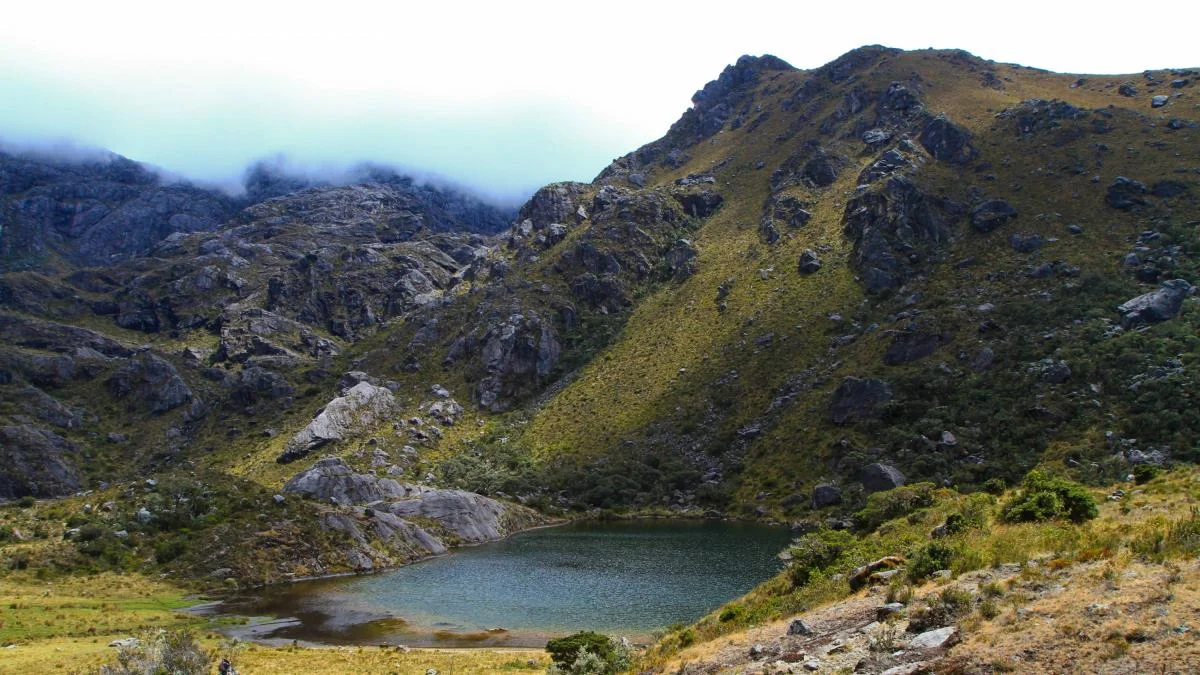
Colombia’s participation in the CBC is particularly significant. As the most biodiverse country on the planet regarding avian species, the nation acts as a crucial corridor for migratory birds and a bastion for endemic ones. From the humid forests of the Pacific to the high-altitude Andean moors and the expansive wetlands of the Caribbean, the country offers a laboratory for ornithologists and amateurs alike.

However, Richard Johnston, a Colombian biologist and senior coordinator for Community Science for Latin America and the Caribbean at the National Audubon Society, notes a paradox: while the country is rich in birds, it is simultaneously suffering from "information gaps."
"I believe it is a privilege for us to be in Colombia and have the opportunity to step outside for an hour or two and experience the proximity of these beings," Johnston says. "These creatures have inhabited these territories for millions of years, yet we still have much to learn about their movements and population health."
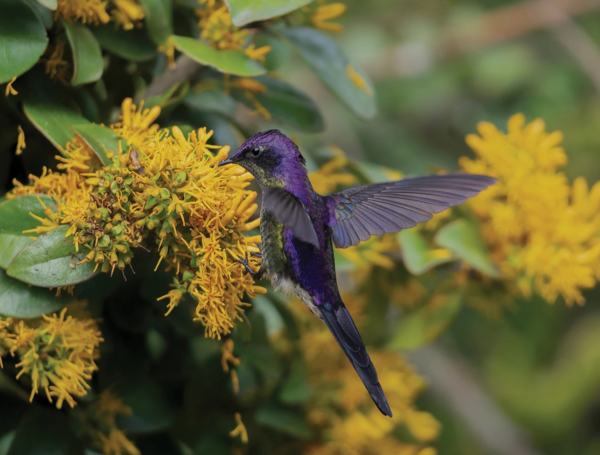
Johnston points out that while the Andean region, particularly Cundinamarca and the Coffee Axis, is well-covered by established counting circles, there remain significant "blind spots." The Amazon, the Orinoquia, and large swaths of the Pacific region remain under-surveyed. Expanding the count into these territories is not merely a matter of curiosity; it is a prerequisite for effective environmental policy and conservation.
Methodology: The Geometry of Conservation
The CBC is not a disorganized trek into the woods. It is governed by a strict, century-old methodology that ensures data can be compared across decades. The "count" is organized into geographic circles, each 24 kilometers (15 miles) in diameter.
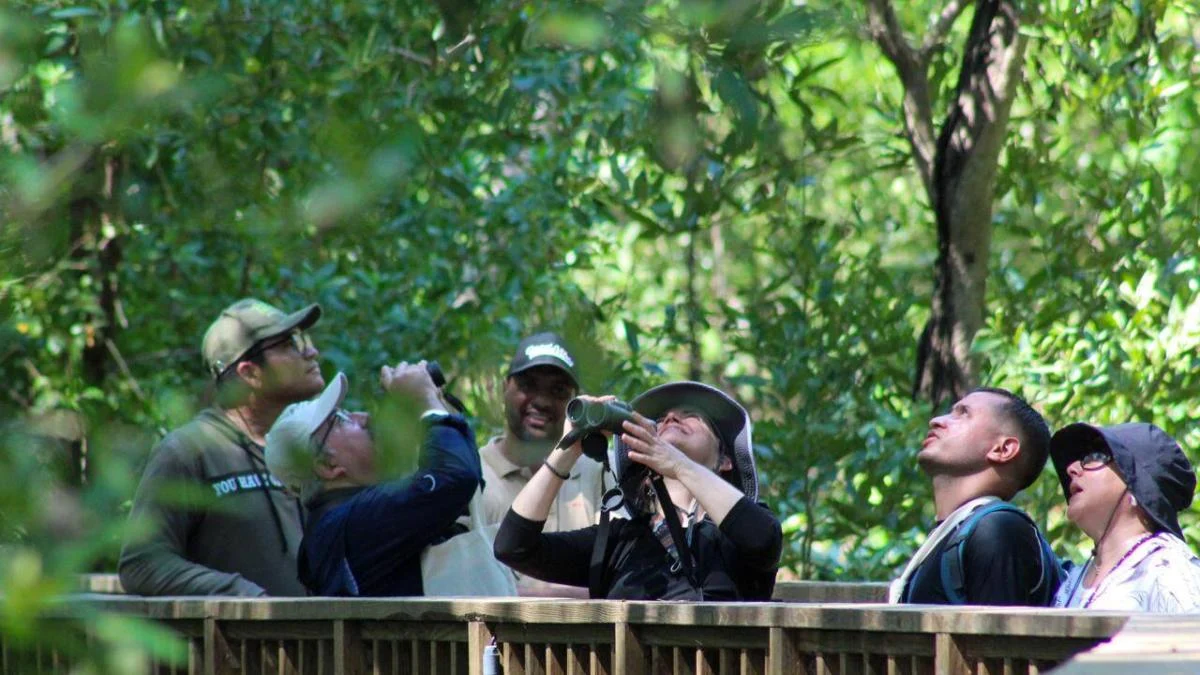
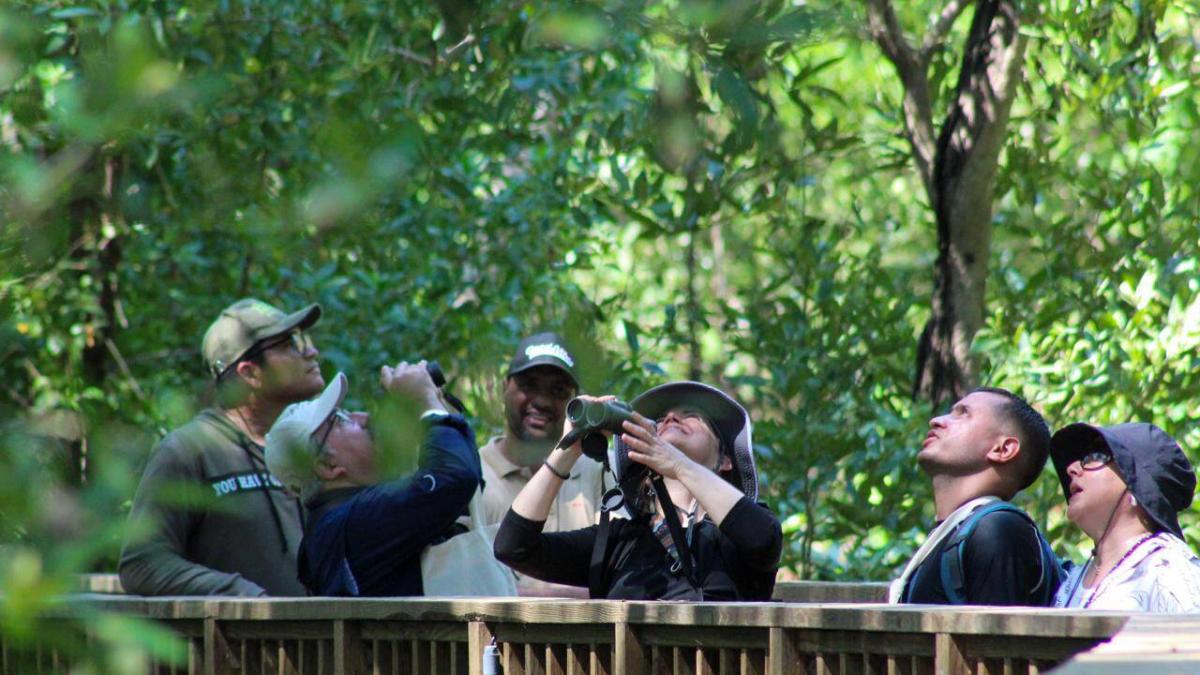
Within these defined spaces, teams of volunteers—ranging from expert ornithologists to complete beginners—fan out to cover a variety of habitats, including wetlands, secondary forests, urban parks, and agricultural zones. The objective is to record every bird species and individual seen or heard within a 24-hour period.
This systematic approach allows researchers to track long-term trends. For example, a recent Audubon report analyzing data from 2013 to 2023 in Latin America and the Caribbean found that of 44 species analyzed, 40 percent were showing population declines, 20 percent were showing growth, and 40 percent remained inconclusive. In Colombia specifically, the "Blue Seedeater" (a local favorite) showed an estimated 27 percent decline, while the Neotropical Cormorant saw a 69 percent increase. Such data points are the foundation upon which local and national conservation strategies are built.
Opening the Doors: Inclusivity in Birding
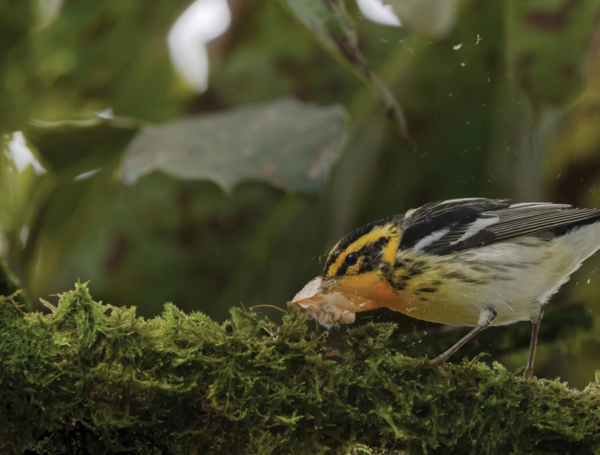
One of the most persistent myths about the Christmas Bird Count is that it is an elitist or highly technical endeavor reserved for PhD-level scientists. In reality, the initiative thrives on its inclusivity.
"The invitation is not directed only at scientists," emphasizes Johnston. "One of the main objectives of the count is to bring new people to birding."

For those who have never held a pair of binoculars, the CBC serves as a welcoming entry point. Beginners are routinely paired with experienced observers who act as mentors, teaching them how to identify species by their plumage, song, and flight patterns. This social aspect is a key feature of the event, fostering a sense of community among those who share a passion for nature.
Environmental Implications and the Future of the Count
The timing of the CBC—mid-December to early January—is strategic. It occurs during a period when many species have established their winter territories or are in the midst of migration. By conducting this count annually, the initiative captures a "snapshot" of biodiversity that reflects the ecological pressures of the time.
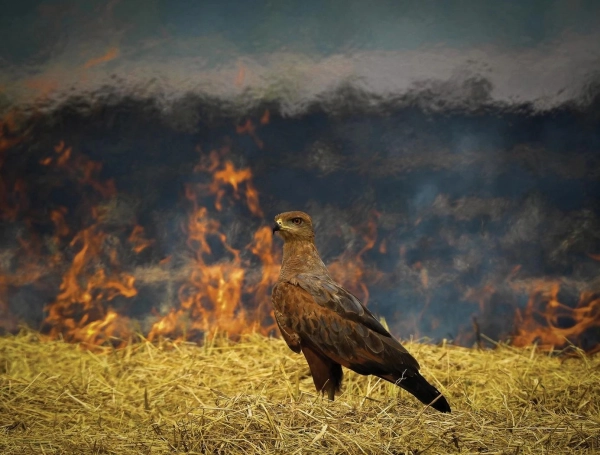
In Colombia, the stakes are rising. Climate change, habitat loss, and deforestation continue to threaten the country’s wetlands and forests. For instance, recent reports indicate that the Cesar department has lost over 112,000 hectares of forest in just three decades. The bird count acts as an early warning system; when certain species vanish from a, say, 24-kilometer circle where they were previously abundant, it serves as an indicator of ecosystem degradation.
Furthermore, the act of participating in the count has a psychological and educational benefit. It reconnects urban populations with their local flora and fauna. By spending a day in a local wetland or forest, participants often develop a stronger sense of stewardship for the land. As Johnston notes, these journeys create "bonds between people and their territories," forming a network of "citizen scientists" who are far more likely to advocate for the protection of their local habitats.

How to Get Involved
For those interested in participating in this year’s 126th edition, the process is straightforward. Potential volunteers can:
- Visit the Audubon Website: Access the global portal to find information on the history and methodology of the count.
- Locate a Circle: Search for active counting circles in their specific region.
- Contact Coordinators: Reach out to the local lead for each circle to register and receive instructions on meeting points and safety protocols.
- Leverage Local Resources: Utilize training materials provided by regional organizations, such as the Asociación Bogotana de Ornitología (ABO) or the Sociedad Caldense de Ornitología, which provide guides tailored to the unique species of the Colombian landscape.
Conclusion: A Legacy of Observation
As 2026 comes to a close, the Christmas Bird Count remains a testament to the power of collective, consistent human action. What started as an alternative to a blood sport has matured into a vital pillar of global ecological monitoring.

In Colombia, the upcoming event is more than a tradition; it is an urgent call to document the life that surrounds us before it is lost. Whether one is a seasoned expert identifying a rare raptor in the high Andes or a beginner spotting a colorful tanager in a city park, the contribution is the same: a data point in a vast, global puzzle. This holiday season, by picking up a pair of binoculars and heading out into the field, citizens have the chance to contribute to the preservation of the most bird-diverse nation on Earth.