By Investigative Desk, EL TIEMPO
November 7, 2026
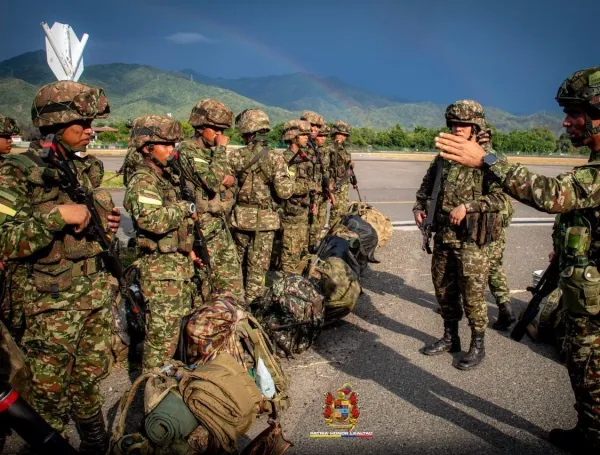
The tranquil landscape of Southern Bolívar, a region already weary from decades of conflict, has become the laboratory for a lethal evolution in asymmetric warfare. This Saturday, a devastating terrorist attack on the military canton in Santa Rosa left three soldiers dead and at least 35 people—including military personnel and civilians—injured, marking a chilling escalation in the use of weaponized drones by illegal armed groups.
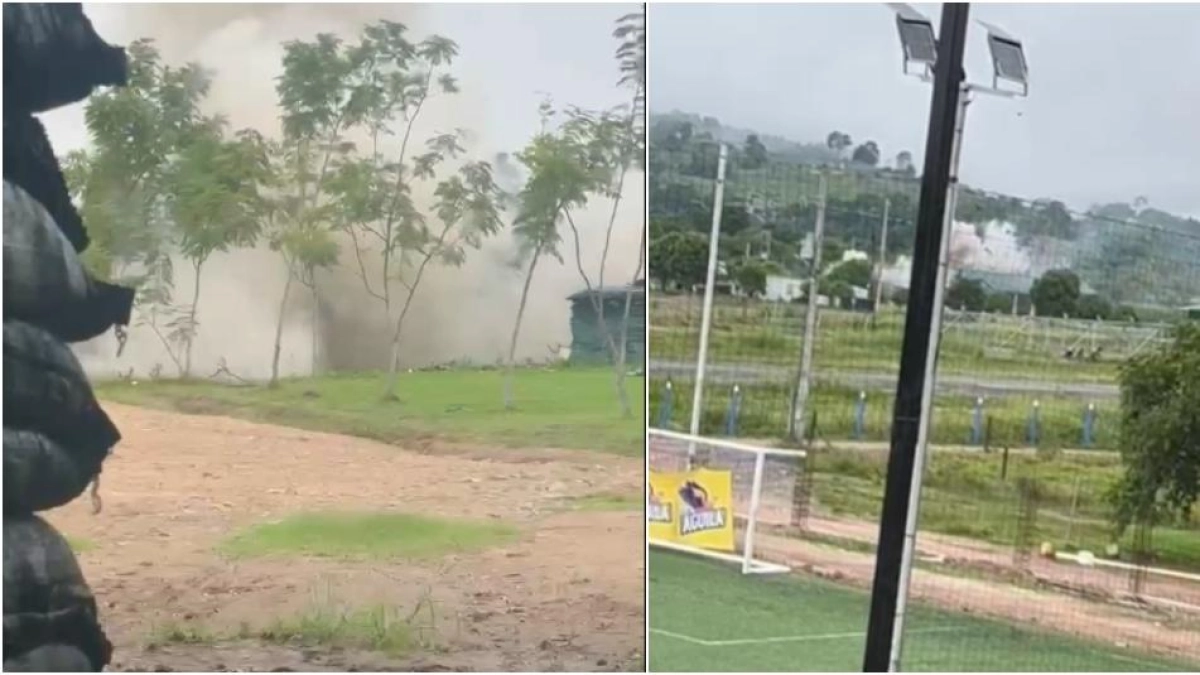
The assault, which occurred in the late afternoon, transformed a secure military facility into a scene of carnage. Forensic analysis and initial reports from the ground indicate that the attackers utilized multiple unmanned aerial vehicles (UAVs) modified to carry explosive payloads. The precision and destructive capacity of these devices have prompted an urgent review of security protocols across the country’s military installations.
The Anatomy of the Attack: A Scene of Devastation
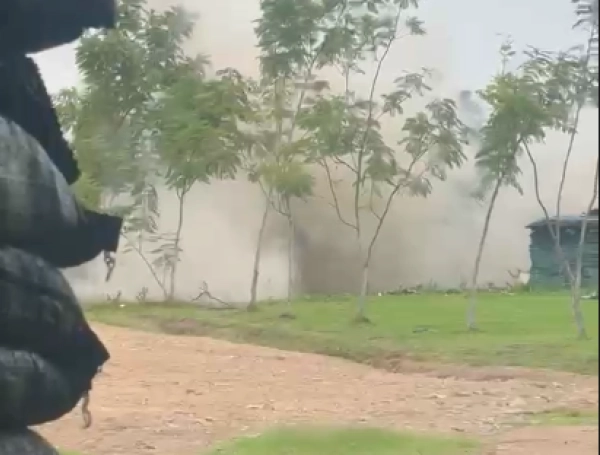
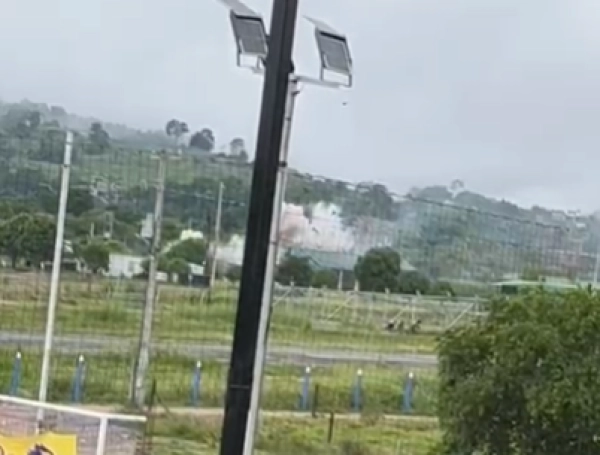
Videos circulated on social media captured the visceral reality of the attack. The footage shows the military facility in Santa Rosa reduced to rubble, with structural beams twisted and roofs collapsed under the force of the detonations. The audio captured in these recordings—the sharp, piercing whistle of descending explosives followed by the frantic shouts of soldiers and civilians seeking cover—highlights the terror that these silent, aerial threats now instill in the local population.

"God," "Another one," and "Get out of there!" were the desperate cries echoed by those on-site as sirens wailed in the background, signaling the immediate emergency response. Local authorities and medical teams were quickly mobilized, with the municipal hospital becoming the primary triage center for the dozens of wounded victims.
Retaliation and Strategic Context
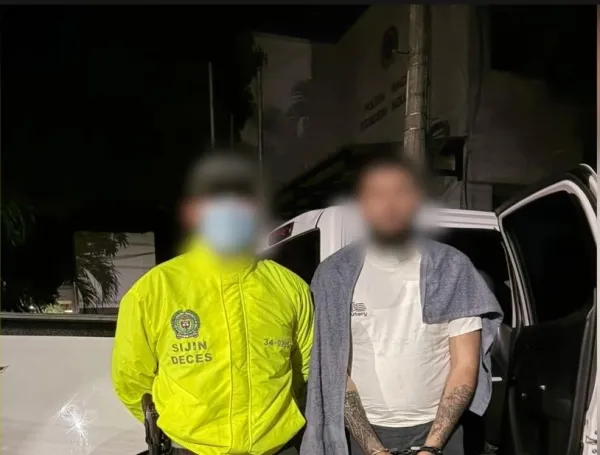
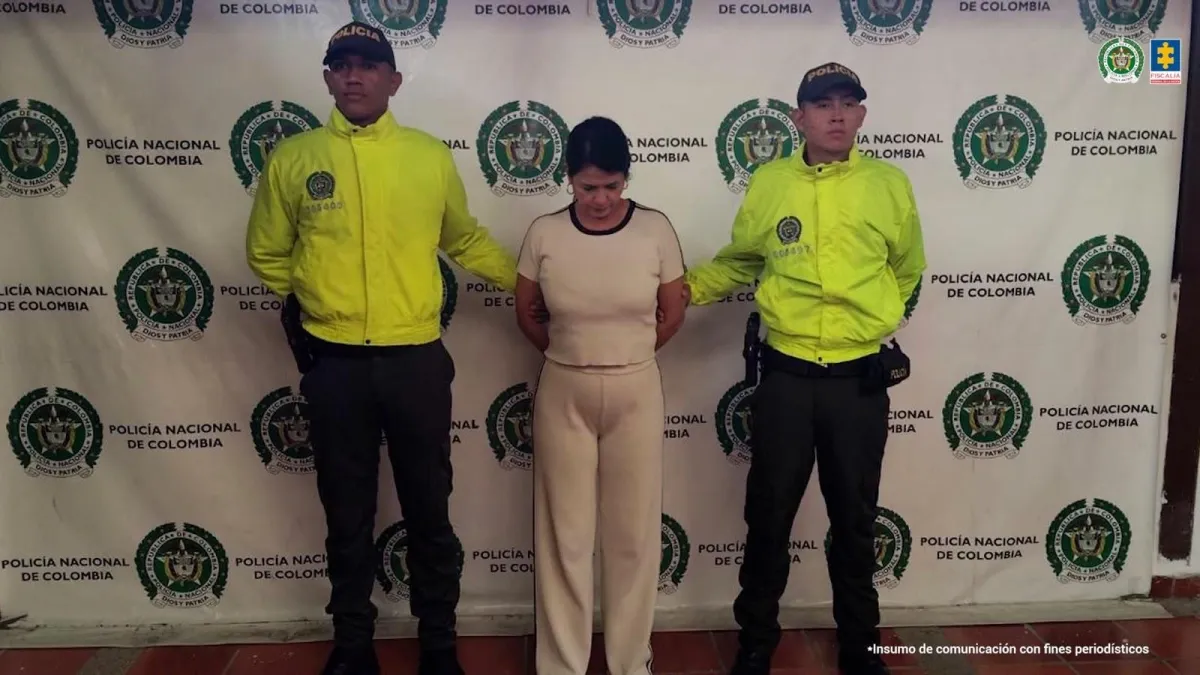
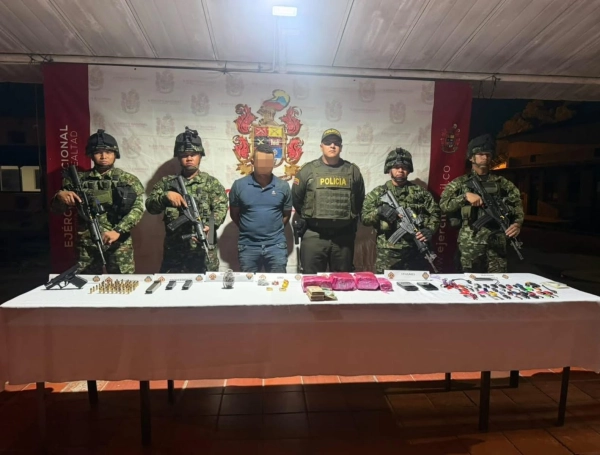
Preliminary investigations by the military intelligence units suggest that this attack was not a random act of violence, but a direct, retaliatory strike. The timing, occurring shortly after the high-profile capture of a key figure known as "Alias Carrito," points toward a calculated response by the National Liberation Army (ELN).

"Alias Carrito," a top-tier commander of the ‘Resistencia Guamoco’ front, is considered a vital asset to the group’s leadership and a trusted lieutenant of "Alias Casinga," one of the most feared regional commanders. His capture was touted by the Armed Forces as a "hard blow" to the ELN’s operational capabilities.
The military’s official statement earlier that day emphasized the strategic importance of the capture: "This arrest disrupts the expansionist plans and criminal activities in the area. It represents a direct strike against the ELN’s economic subsystem, severing the financial flow derived from illegal gold mining—resources used to finance terrorism and arms trafficking. Furthermore, it weakens the dynamics of forced displacement and confinement that have long plagued rural communities."
A Pattern of Aerial Violence: 2026 in Review
The tragedy in Santa Rosa is not an isolated incident but part of a systematic, emerging pattern. Data obtained by ELTIEMPO from police and military records reveal that between January and October 2026, there have been at least 10 major drone-based attacks in the department of Bolívar alone.
These 10 documented incidents have resulted in 35 casualties, comprising 16 soldiers, 11 police officers, and eight civilians. The geography of these attacks is telling: they are concentrated in the southern part of the department, a corridor where illegal armed groups—including the ELN, FARC dissidents, and the "Clan del Golfo"—vie for control over lucrative mining territories and illicit trafficking routes.
Chronology of Escalation
- February 28: A rural area of Montecristo saw 10 soldiers wounded by an explosive-laden drone.
- March 29: The police station in Arenal was targeted, causing structural damage to both the station and surrounding civilian homes.
- April 21: Six army personnel were injured in the village of Las Cabañas, Santa Rosa del Sur.
- May 3: A dual incident occurred; four people were injured in San Pablo, and a civilian woman was wounded in her own backyard in Norosí.
- June 14: A suspicious explosion in Simití, involving the alleged manipulation of a drone, left one person injured.
- July 10: A sophisticated attack in Arenal combined drone strikes with heavy machine-gun fire, leaving five injured.
- August 19: In one of the most critical security failures, an attack on the Norosí police station left eight officers wounded, two in critical condition.
- September 13: The police station in Río Viejo suffered an intense harassment attack involving drones and rifle fire.
Official Responses and Calls for Security
President Abelardo De La Espriella issued a swift condemnation of the attack via social media, calling it a "cowardly act of terrorism." The President extended his condolences to the grieving families and vowed that the state would not yield to the intimidation tactics of criminal organizations.
"I reject and condemn with full force the cowardly terrorist attack carried out with drones loaded with explosives against the facilities of the Military Canton in Santa Rosa," the President stated.
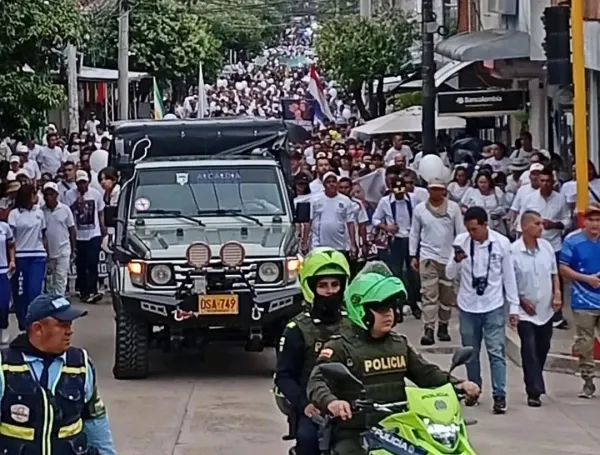
Local leadership has also sounded the alarm. Milton Olaya, the mayor of Santa Rosa, expressed his profound indignation while overseeing the relief efforts at the local hospital. Mayor Olaya has formally requested that the National Government increase military and police presence, arguing that the local force is currently ill-equipped to counter the specialized threat posed by drone warfare.
The Strategic Implications of Asymmetric Warfare
The shift toward drone technology allows criminal groups to bypass traditional defensive perimeters. By launching explosives from the sky, these groups can strike deep into military bases or police stations while maintaining significant distance from the target. This technological adaptation forces the state to reconsider its entire defensive posture in rural Colombia.
Military analysts note that these drones are often modified commercial units. The relative low cost of these devices, compared to the high impact they achieve, makes them an attractive tool for insurgent groups seeking to amplify their "political" reach through terror.
The presence of the "frente Luis Solano Sepúlveda" (ELN), the 37th front of FARC dissidents, and the "Edwin José Sierra Regino" sub-structure of the Clan del Golfo creates a volatile ecosystem. In these territories, the line between military targets and civilian life is increasingly blurred. As the state intensifies its pressure on illegal gold mining and drug trafficking, these groups are increasingly resorting to these "high-tech" harassment tactics to maintain their hold on the local economy.
Future Outlook: A Need for Technological Parity
The events in Santa Rosa have ignited a national debate regarding the military’s current technological preparedness. Critics argue that the Armed Forces have been slow to deploy counter-drone technology (such as signal jammers or electronic warfare systems) in remote areas.
While the military maintains that the capture of key leaders like "Alias Carrito" is the most effective way to dismantle these organizations from the top down, the recent spike in violence suggests that such arrests—while strategically vital—may trigger immediate, violent spikes in local security instability.

As investigators continue to process the scene in Santa Rosa, the people of Southern Bolívar remain in a state of high alert. The "buzz" of an engine in the sky, once a neutral sound, has become a harbinger of potential death. For the families of the fallen soldiers and the 35 wounded survivors, the road to recovery is long. For the Colombian government, the challenge is clear: it must move beyond traditional counter-insurgency and rapidly integrate modern technological solutions to secure its borders and its people against an enemy that is no longer hiding in the jungle, but hovering above it.
This report was prepared by the Justice Desk of EL TIEMPO. For ongoing updates on the situation in Southern Bolívar and national security developments, subscribe to our daily newsletter or follow our live updates on our digital platforms.