By Sports Editorial Team
Updated: November 1, 2026 – 18:39
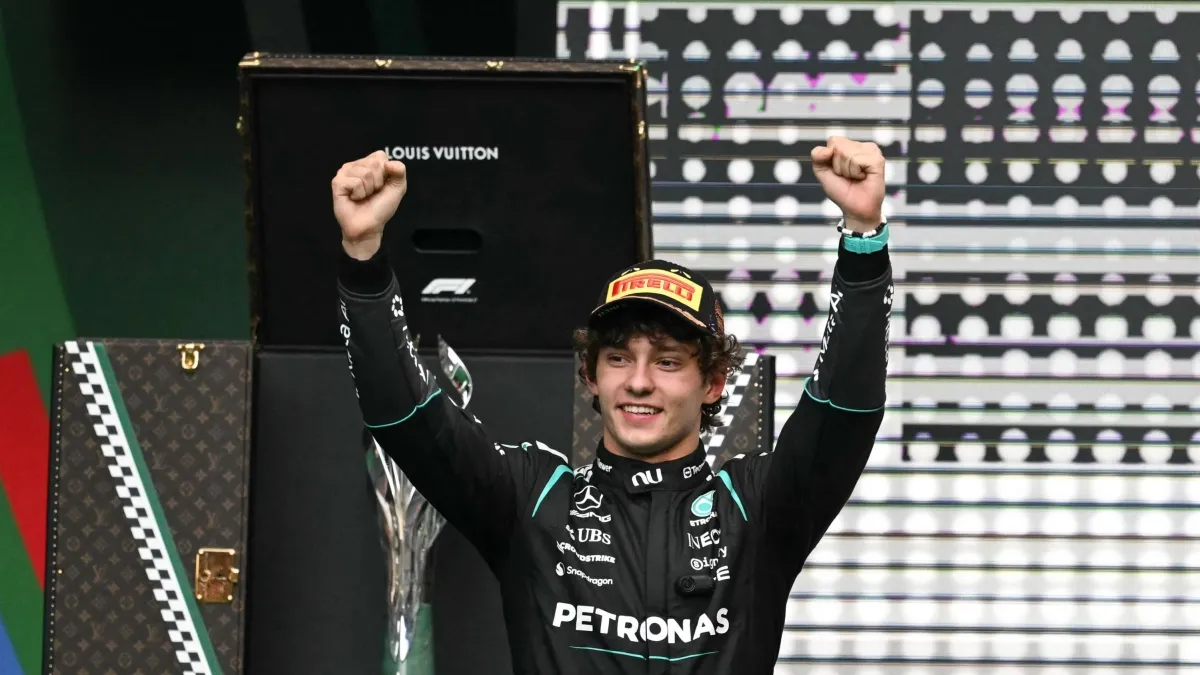
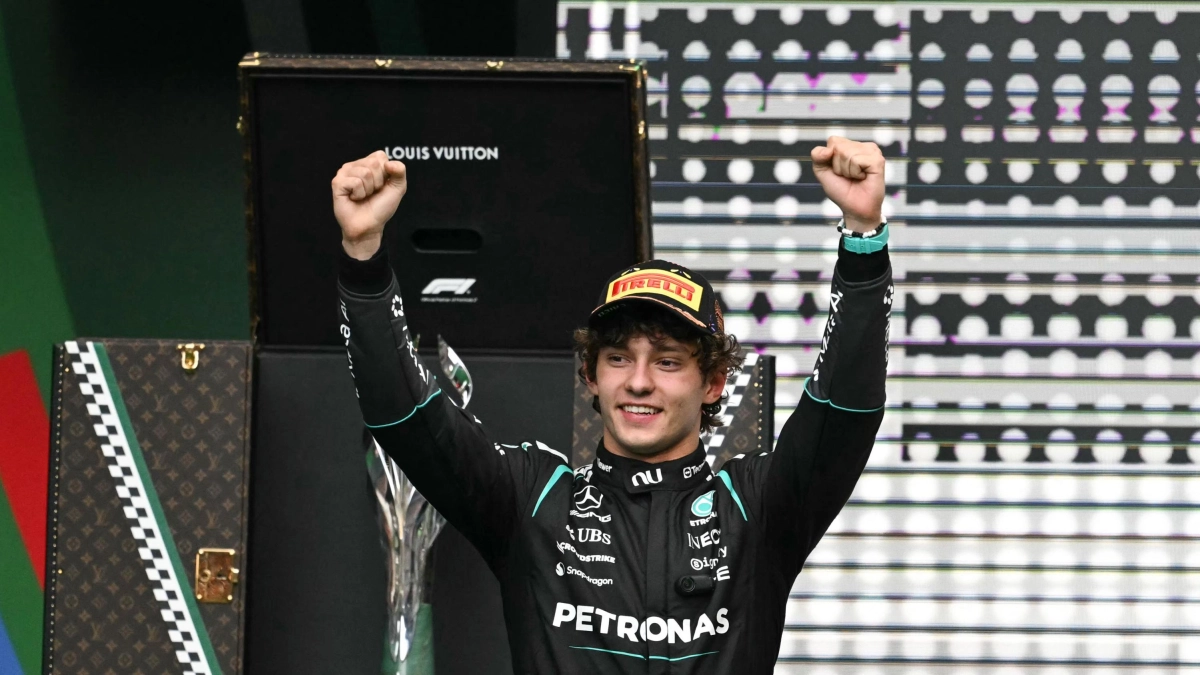
The landscape of Formula 1 has been irrevocably altered. In a display of poise, tactical brilliance, and raw speed that belies his tender age, Kimi Antonelli has etched his name into the annals of motorsport history. At just 20 years and 72 days old, the Italian prodigy driving for Mercedes-AMG PETRONAS has officially secured his maiden Formula 1 World Drivers’ Championship.
The confirmation of his title came following an adrenaline-fueled Grand Prix in Mexico City this Sunday—a race that will be remembered not only for the crowning of a new "king" but for its chaotic twists, dramatic restarts, and the sheer grit displayed by the sport’s newest superstar.
The Main Facts: A Coronation Amidst Chaos
Entering the Mexico City weekend, the mathematical permutations were clear: Antonelli needed a solid finish to clinch the crown. Yet, as the lights went out at the Autódromo Hermanos Rodríguez, the atmosphere was thick with the kind of tension usually reserved for season finales.
The race, which saw Max Verstappen take the checkered flag and Lewis Hamilton secure a hard-fought second place, became the backdrop for Antonelli’s ascension. Finishing third, the young Italian claimed the final spot on the podium, a performance that served as a microcosm of his season: calm under pressure, strategically impeccable, and undeniably fast. With this result, Antonelli shattered records, becoming the youngest world champion in the history of the sport, surpassing the long-standing benchmarks set by legends of the past.
Chronology: A Race of Resilience
The race began with a frantic intensity that defined the high stakes of the afternoon. Ferrari’s duo of Charles Leclerc and Lewis Hamilton engaged in a wheel-to-wheel battle that bordered on the desperate. The rivalry reached a boiling point early on, resulting in a five-second penalty for the Monegasque driver for gaining an advantage off the track.

While the titans of the sport clashed, Antonelli remained a beacon of serenity. Starting from the fourth position, he avoided the initial skirmishes, demonstrating a level of maturity that has been the hallmark of his meteoric rise. By lap 29, the Mercedes pilot had moved to the front of the pack, inheriting the lead as the Ferraris pitted for fresh rubber.
The pivotal moment of the race, however, occurred in the second half. Following his own stop on lap 43—a 4.3-second service that was clean, if not record-breaking—Antonelli rejoined the fray in third. Moments later, the circuit was plunged into uncertainty when Valtteri Bottas’s Cadillac suffered a terminal collision, necessitating a Safety Car. As debris littered the track, race control made the decision to deploy the red flag.
The stoppage provided a moment of profound silence in the grandstands—a collective holding of breath. The momentum of the race was halted, yet for Antonelli, it was a moment to recalibrate. Upon the final standing start, he faced the fierce challenge of Lando Norris and a resurgent Leclerc. He did not blink. He defended his position with clinical precision, ensuring that the championship trophy would be heading to Brackley.
Supporting Data: The Statistics of a Prodigy
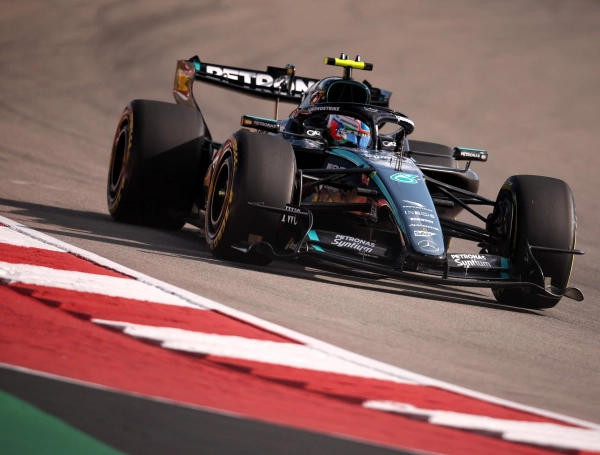
Kimi Antonelli’s championship is not merely a product of circumstance; it is the result of a season defined by remarkable consistency. To understand the gravity of this achievement, one must look at the data:
- Age at 20 years, 72 days (Youngest in history).
- Race Pace: Consistently ranked in the top three for tire management and sector efficiency throughout the 2026 season.
- Pressure Management: Antonelli maintained a 95% finish rate in the top five across the 2026 calendar.
- Strategic Execution: Out of 20 races leading up to Mexico, Antonelli secured podium finishes in 14, showcasing a level of performance depth rarely seen in a rookie or sophomore driver.
His ability to navigate the complex hybrid power units of the 2026 regulations has been praised by engineers across the paddock. While Mercedes provided a dominant chassis, it was Antonelli’s ability to extract performance during the "dirty air" of mid-race traffic that separated him from his peers.
Official Responses: The Paddock Reacts
The reaction from the motorsport community was swift and celebratory. Toto Wolff, the Team Principal of Mercedes, was visibly moved during the post-race interviews.
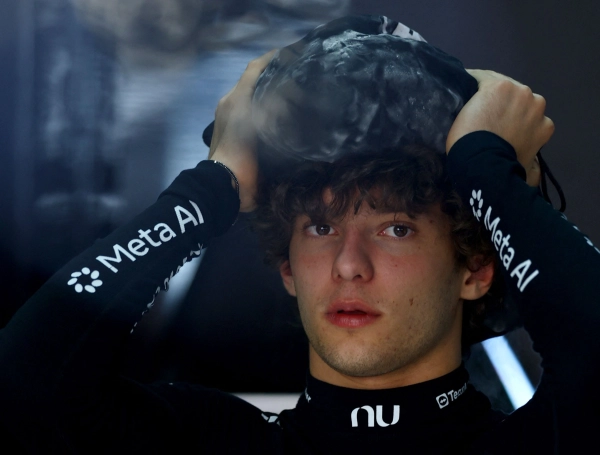
"We knew he was special when we signed him, but this? This is beyond expectation," Wolff stated. "Kimi possesses a calm that is unnatural for a 20-year-old. When the red flag came out today, he looked at the monitors, checked his tire pressures, and asked for a status update on the front wing. He wasn’t thinking about the championship; he was thinking about the next corner. That is what a champion is made of."
Lewis Hamilton, who shared the podium with his teammate, was equally effusive in his praise. "I’ve seen a lot of drivers come and go, but Kimi is cut from a different cloth. He’s the future of this sport, and I’m proud to have been by his side during this transition. He earned every bit of this today."
From the FIA, President Mohammed Ben Sulayem issued a statement commending the "extraordinary talent" displayed throughout the season, noting that Antonelli’s arrival at the top of the sport marks the beginning of a "new, vibrant era for Formula 1."
The Implications: A Shift in the Balance of Power
The crowning of Kimi Antonelli signals a seismic shift in the Formula 1 hierarchy. For the past decade, the sport has been defined by the rivalry between the established veterans—Verstappen, Hamilton, and Alonso. Antonelli’s victory represents the definitive changing of the guard.
1. The Mercedes Rebirth
After a period of struggle following their historic dominance in the early 2020s, Mercedes has successfully completed their rebuild. By investing in Antonelli, they have secured a cornerstone for the next decade. This title acts as a catalyst, likely securing the team’s long-term financial and technical partnerships.
2. Marketability and Youth
Antonelli’s appeal extends beyond the track. His demographic reach and the "heroic" nature of his victory in Mexico have provided a massive boost to F1’s television ratings. The sport is seeing an influx of younger fans, and Antonelli is the perfect figurehead for this demographic shift.

3. The Pressure of the "Next Great Thing"
With the championship now in his pocket, the narrative surrounding Antonelli will change. He is no longer the underdog or the exciting prospect; he is the man to beat. The 2027 season will present a different challenge: the pressure of defending a title. How he handles the target on his back will determine if he becomes a one-time wonder or a multi-year dynasty builder.
4. Technical Evolution
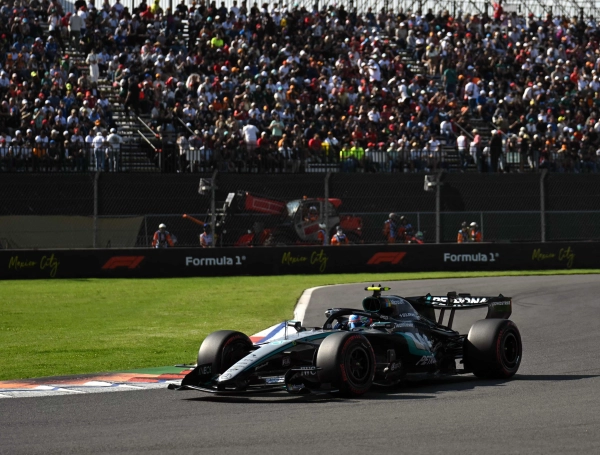
The 2026 regulations were designed to bring the field closer together, and this race proved that the strategy is working. The close-quarters racing seen in Mexico, characterized by tactical pit stops and aerodynamic battles, suggests that the sport is entering a golden age of competitiveness.
Conclusion: A Night to Remember
As the sun set over the Autódromo Hermanos Rodríguez, the celebrations in the Mercedes garage were a testament to the journey the team and the driver had undertaken together. For Kimi Antonelli, the dream of childhood—the karting tracks in Italy, the junior formulas, the simulator sessions that stretched into the early hours—had culminated in the ultimate prize.

He is the youngest, the boldest, and currently, the best. While the engines have cooled and the champagne has dried, the reality remains: Formula 1 has a new world champion, and the rest of the grid has been served notice. The "Antonelli Era" has officially begun, and if this Mexico City performance is any indication, it is going to be a spectacular ride.