By Laura Nathalia Quintero
Redacción Últimas Noticias
Enriched Translation and Adaptation
Main Facts: A Cataclysmic Collision on the Madrid-Andalusia Line
Spain remains in a state of profound national mourning following one of the most devastating railway disasters in the nation’s modern history. The catastrophic collision—which occurred on the high-speed rail corridor connecting Madrid to Andalusia—has left at least 69 people dead, dozens injured, and the country’s state-of-the-art railway infrastructure under intense scrutiny.
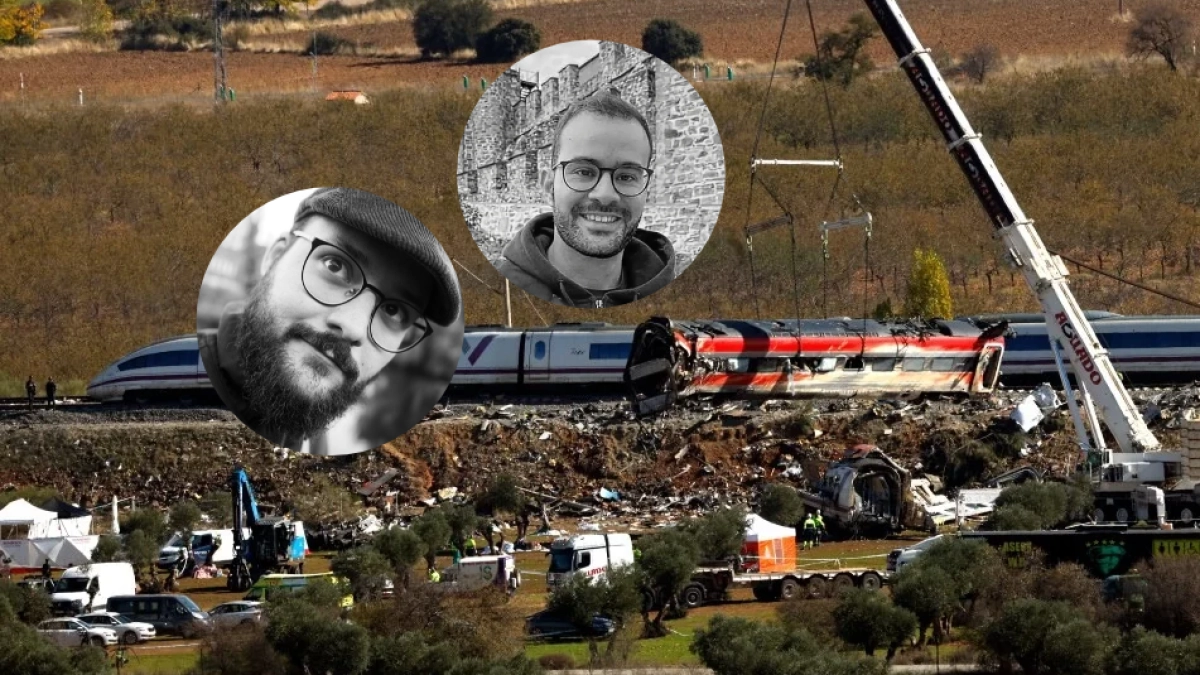
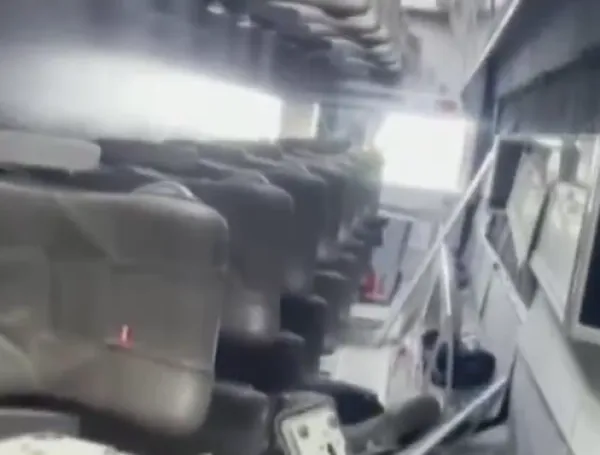
The tragedy involved two passenger trains carrying a combined total of nearly 550 travelers. The first, an Iryo high-speed service, was carrying 147 passengers, including an infant, when it came to an unexpected halt on the tracks. Moments later, a Renfe AVE high-speed train carrying 396 passengers slammed directly into the stationary convoy. The impact was violent enough to cause the catastrophic derailment of multiple carriages, leaving both trains mangled and sparking an immediate, massive emergency response.
As forensic teams work tirelessly to identify the deceased and comfort grieving families, attention has turned sharply toward the human cost of the disaster. Among the victims and those operating the trains are dedicated professionals whose lives, passions, and final moments have begun to paint a poignant picture of a tragedy that could—and investigators now suspect, should—have been averted.
Human Stories: Remembering the Men Behind the Controls
Amid the wreckage and political fallout, investigative reports from prominent Spanish publications like El País and La Vanguardia have brought to light the personal histories of the men operating the trains, humanizing a disaster often discussed only in terms of logistics and signaling systems.
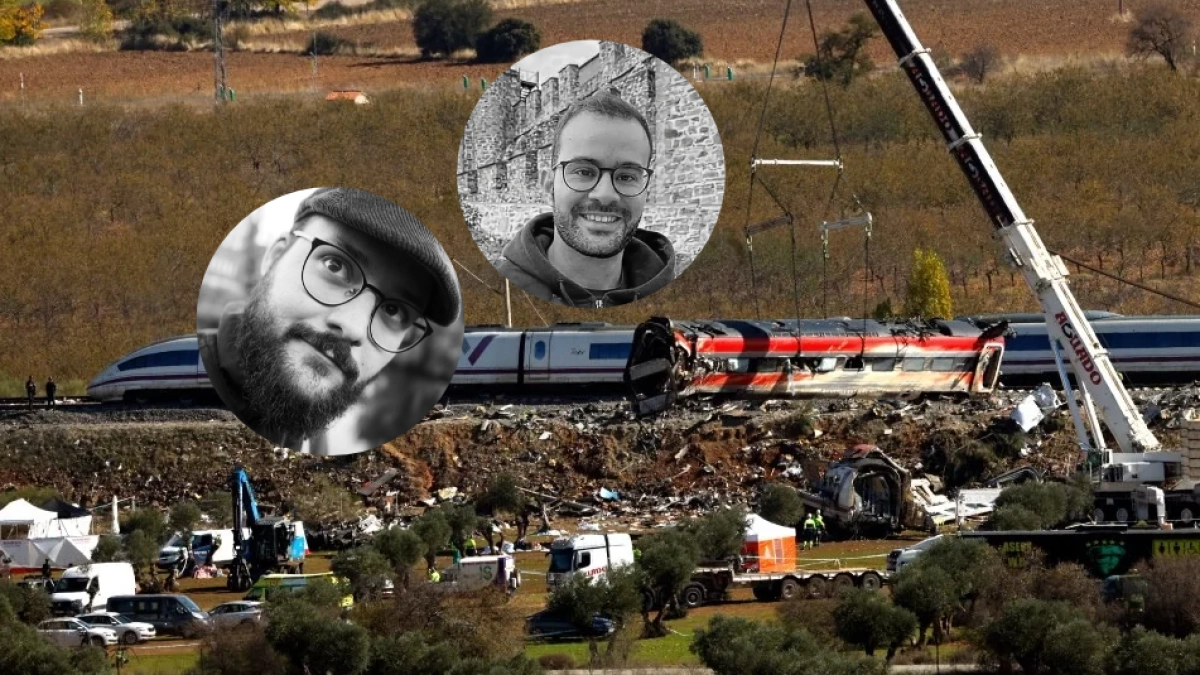
Daniel Cabañas Cob: A Passionate Rail Enthusiast
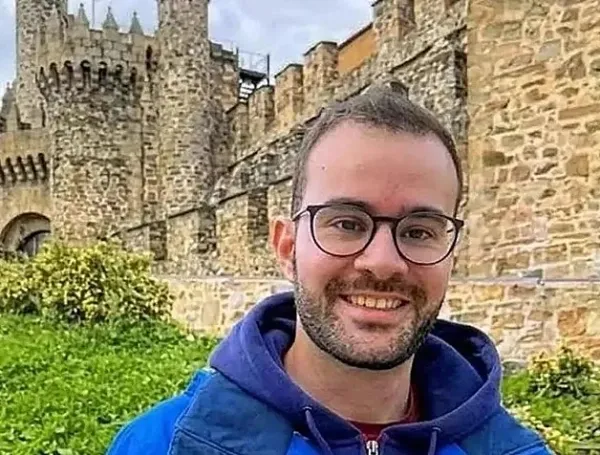
One of the locomotive operators caught in the disaster was 31-year-old Daniel Cabañas Cob, a young man whose lifelong fascination with trains ultimately defined his career. Residing with his parents in the El Carrascal neighborhood of Leganés, Cabañas Cob was remembered by colleagues and loved ones not only as a dedicated professional, but as a warm, community-minded individual.
Long before he ever stepped foot inside a Renfe cabin, Daniel’s mind was drawn to engineering and technical mechanics. He pursued formal studies in electricity, robotics, and later spent time living in Barcelona, where he broadened his horizons by studying art, history, and geography at the Universitat Oberta de Catalunya. His keen eye for aesthetics and his deep love for transit were frequently visible on his social media platforms, where he curated photographs of railway stations, locomotives, and the various landscapes he encountered.
Before entering the railway sector, Daniel honed his technical skills working as a maintenance technician for three distinct industrial firms: Thyssenkrupp, Btren, and Suez. In 2019, he officially began his formal training as a train driver. Two years later, he joined Rodalies, Catalonia’s commuter rail network, where he spent two years mastering the nuances of regional transit.
Seeking new horizons, he returned to Madrid, piloting commuter trains for over three years. By March 2026, his dedication earned him a position as a novice driver undergoing specialized training for high-speed rail operations.
Colleagues remembered him with immense fondness. Hugo López Gamallo—another esteemed machinist affectionately known within the industry as "La Locomotora" (The Locomotive)—spoke warmly of his time working alongside Daniel. Describing him as "a fantastic person," López Gamallo highlighted Daniel’s innate willingness to mentor newcomers, often taking recent hires under his wing to ease their integration into the demanding corporate environment. Even outside of work, Daniel maintained close ties with his academic roots, periodically visiting his former electrical teachers to share his real-world industry experiences with wide-eyed students.
Antonio Acedo: A Pillar of Fuenlabrada
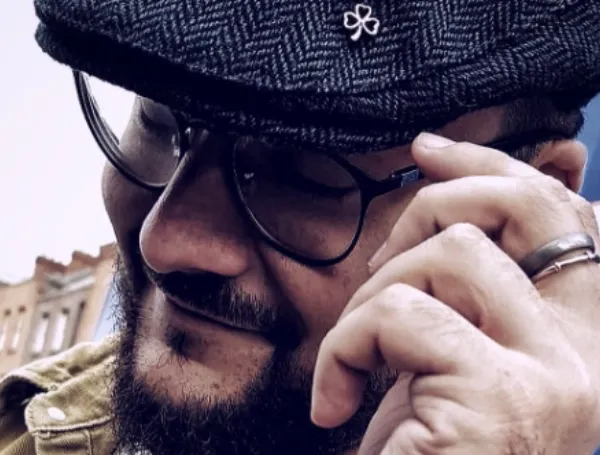
The tragedy also claimed the life of Antonio Acedo, another veteran machinist whose roots ran deep within the municipality of Fuenlabrada, where he resided for the majority of his life.
The impact of Acedo’s death reverberated deeply throughout the local community. Javier Ayala, the Mayor of Fuenlabrada, expressed the collective shock and devastation felt by local residents upon hearing the news. "We are consternated and deeply sad," Ayala stated in an interview with El País, summarizing the local sentiment with a heartbreakingly simple tribute: "He was our neighbor, Antonio."
Chronology of a Catastrophe: The Fatal Minutes Leading to the Crash
As forensic investigators and government officials piece together the sequence of events, a chilling timeline has emerged, pointing toward a cascading series of technical failures and erroneous dispatch instructions in the minutes leading up to the collision.
According to statements provided by Spanish Minister of Transport Óscar Puente, the crisis began at approximately 8:30 a.m. on a fateful Wednesday. A critical technical malfunction struck the LZB advanced signaling and safety system, a vital technological backbone designed to maintain safe braking distances and regulate speeds on the Madrid-Andalusia high-speed corridor. The failure caused an immediate, automatic halting of multiple trains moving along the line.
Six critical minutes later, at 8:36 a.m., the operational dynamics shifted disastrously. Transcripts of official communications reconstructed by El País reveal that the control center at Atocha station authorized the driver of the Renfe AVE—Antonio Acedo—to resume his journey.
In the radio exchange that sealed the train’s fate, Acedo sought explicit clarification from dispatchers after receiving the order to move forward. He specifically asked if he should proceed with "normal operation speed" (marcha normal). From the control center, the dispatcher responded in the affirmative, imposing no temporary speed restrictions despite the known system outage and the stationary train lingering just ahead.
Unaware of the immobilized Iryo train parked further down the tracks, the AVE sped forward. It traveled approximately 25 kilometers before rapidly closing the distance on the halted Iryo convoy, which was still holding 147 passengers. Travelling at high-speed, the AVE smashed into the back of the stationary train. The kinetic force of the collision tore through multiple passenger cars, instantly derailing several carriages and turning the tracks into a scene of utter devastation.
Supporting Data and Technical Assessment
The sheer magnitude of the disaster has forced transportation authorities to lay bare the initial technical findings.
- Passenger Volumes: The Iryo train was carrying 147 passengers (including one infant), while the Renfe AVE carried 396 passengers, bringing the total number of people directly at risk to 543.
- The Death Toll: Current official figures place the death toll at at least 69 fatalities, making it one of the worst rail incidents in European history over the past two decades. Scores of others remain hospitalized with varying degrees of trauma.
- Infrastructure Management: The high-speed rail network’s infrastructure is managed by Adif (Administrador de Infraestructuras Ferroviarias), while the rolling stock involved belongs to private operator Iryo and state-owned Renfe.
Transport Minister Óscar Puente did not shy away from initial assessments during his briefings. He publicly categorized the control center’s authorization for the AVE to resume its journey without imposing a strict speed limit as a "erroneous decision."
Preliminary indicators strongly suggest a severe breakdown in operational protocol originating within the Adif control center in Atocha. However, Puente emphasized that comprehensive judicial and technical investigations are ongoing, and definitive accountability cannot be fully established until every telemetry log, voice recording, and black-box datum is thoroughly analyzed.
Official Responses and Political Repercussions
The scale of the catastrophe has triggered immediate political shockwaves across Spain, testing the resolve of national leadership and sparking intense debates regarding infrastructure maintenance and corporate oversight within public transportation.
Prime Minister Pedro Sánchez’s Pledge
In the immediate aftermath of the crash, Spanish Prime Minister Pedro Sánchez addressed the nation, offering his deepest condolences to the families of the victims. Sánchez stressed that all available state institutions have been mobilized to provide transparency, assist with the identification of victims, and locate anyone still missing.
"We will reach the very end to establish the absolute truth and the exact causes of this accident," Sánchez asserted, promising zero impunity and absolute governmental cooperation with independent judicial investigators.
Minister Óscar Puente Defends His Post
Facing intense public scrutiny and calls from opposition figures for institutional accountability, Transport Minister Óscar Puente addressed his political future directly. Speaking to reporters, Puente acknowledged that the public’s trust in Spain’s world-renowned high-speed rail network—historically viewed as a benchmark of European engineering—has suffered a severe blow.
Despite mounting pressures, Puente categorically ruled out resigning from his post. "I am going to press forward, trying to fulfill my duty," he declared. The minister insisted that abandoning his position during a national crisis would be a dereliction of responsibility, maintaining that his singular focus remains centered on uncovering the root causes of the failure and spearheading immediate structural reforms to restore safety and public confidence.
Implications for the Future of Spanish Rail
Spain’s high-speed rail network (Alta Velocidad Española, or AVE) has long been a source of immense national pride. Boasting one of the largest high-speed rail networks in the world—second only to China in operational kilometers—Spain exported its railway technology and expertise globally.
However, the Toledo-area tragedy has exposed vulnerable chinks in the armor of this technological marvel. Experts warn that the heavy reliance on automated systems like the LZB, combined with human dispatch protocols during system overrides, creates catastrophic points of failure if redundancy fails.
As forensic scientists finish identifying the remains of the 69 victims, and as mourning communities bury beloved public servants like Daniel Cabañas Cob and Antonio Acedo, the Spanish state faces a long, arduous road to recovery. Beyond the physical rebuilding of twisted tracks and shattered carriages lies the much heavier burden of restoring systemic trust—ensuring that those who board a train in Madrid will reach their destination safely, and that the tragic lessons of this disaster are never repeated.