BOGOTÁ, COLOMBIA — The ability of higher education institutions to seamlessly integrate their graduates into the global workforce continues to serve as a definitive metric of academic excellence. In the recently published Global University Employability Ranking and Survey for 2026—compiled by the executive search firm Emerging in collaboration with the research agency Geurs—the Universidad de los Andes has once again reaffirmed its academic prestige. Securing the eighth position in South America and the 214th spot globally, the institution stands as the sole Colombian university featured in this prestigious international tier.
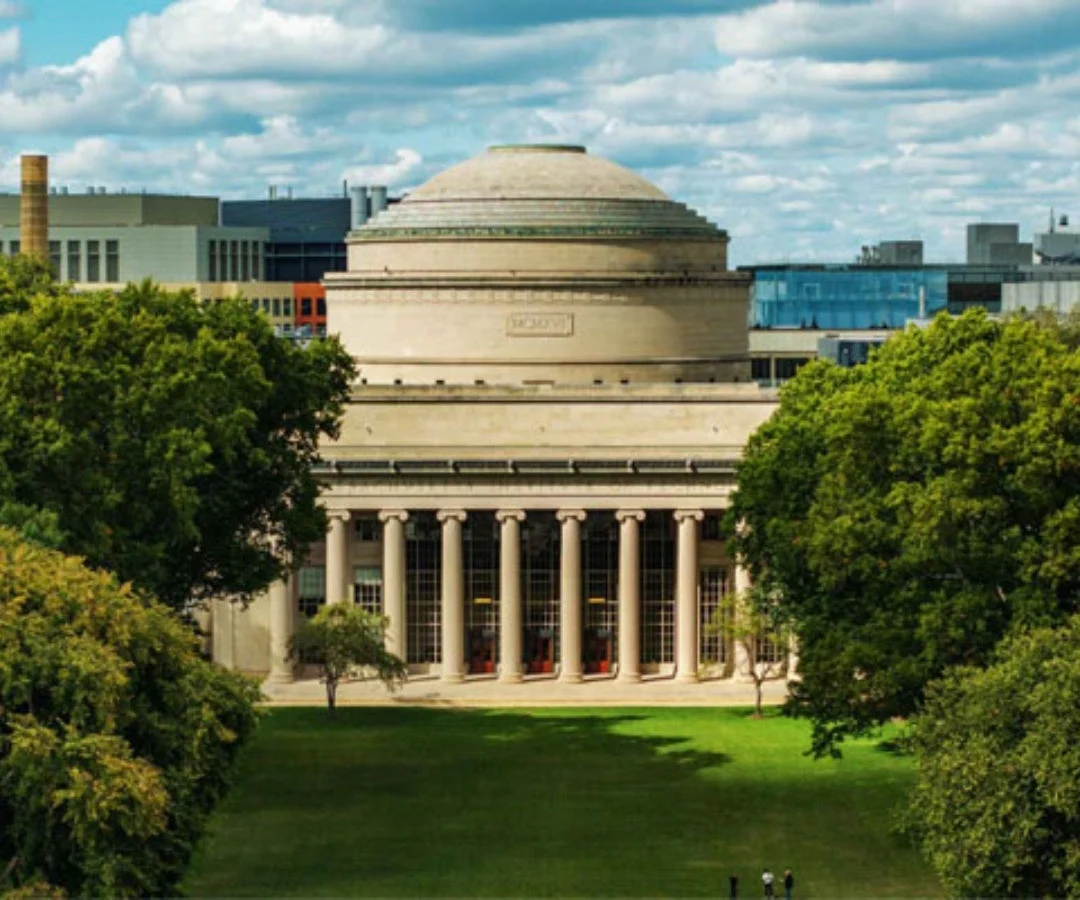
The comprehensive evaluation, which assesses the opinions of international employers regarding graduate performance, adaptability, and readiness for the modern economy, places the Massachusetts Institute of Technology (MIT) at the pinnacle of global employability. While North American and European institutions continue to dominate the uppermost echelons of the list, emerging markets—particularly in Latin America and Asia—are steadily carving out influential positions within the global academic and professional landscape.
Main Facts
The 2026 Global University Employability Ranking offers a granular look at how the world’s top academic institutions prepare their students for the demands of an evolving job market. According to the latest findings:
- Global Leadership: The Massachusetts Institute of Technology (MIT) ranks first worldwide for graduate employability, followed by Stanford University in second place, and the University of Oxford rounding out the podium in third.
- The Global Top Five and Top Ten: The universities of Cambridge and Harvard secure the fourth and fifth spots, respectively. The remainder of the global top ten comprises the California Institute of Technology (6th), Princeton University (7th), the National University of Singapore (8th), ETH Zurich in Switzerland (9th), and The University of Tokyo in Japan (10th).
- Latin American Vanguard: The Instituto Tecnológico y de Estudios Superiores de Monterrey (Tec de Monterrey) in Mexico leads the Latin American region, securing the 68th position globally. It is followed by Brazil’s University of São Paulo (89th globally) and the National Autonomous University of Mexico, UNAM (115th globally).
- Colombia’s Sole Representative: The Universidad de los Andes is the only Colombian institution to crack the global ranking, landing at number 8 in South America and 214 worldwide. Other notable regional institutions on the list include the Pontificia Universidad Católica de Chile, Fundação Getulio Vargas (FGV) in Brazil, the Autonomous Technological Institute of Mexico (ITAM), and the University of Campinas (Unicamp).
Chronology of the Employability Ranking: Evolution and Methodology
To understand the weight and significance of the 2026 findings, it is essential to trace the development of the Global University Employability Ranking over time.
The Origins of Workforce-Centric Metrics
For decades, traditional university rankings focused heavily on research output, citation counts, and faculty-to-student ratios. While these indicators provided a snapshot of theoretical and scientific contributions, they often failed to answer a critical question for prospective students and policymakers: How well do these institutions prepare graduates for the real-world economy?
Recognizing this gap, independent research initiatives began developing surveys targeted specifically at major employers. Over the past decade and a half, the partnership between Emerging and analytical firms has evolved into one of the most trusted barometers of graduate employability. The methodology relies not on self-reported university data, but on the direct insights of international corporate leaders, managers, and recruiters who hire thousands of graduates annually across diverse sectors—from technology and finance to engineering and the arts.
The 2026 Evaluation Cycle
The 2026 ranking cycle incorporated feedback from thousands of international recruiters and managers across dozens of countries. The survey methodology asks employers to identify which universities they actively target for talent, which graduates perform best in professional environments, and which institutions possess the strongest digital readiness, soft skills, and resilience in the face of rapid technological disruption.
In recent years, the chronological trajectory of Latin American universities in these metrics has shown steady, albeit hard-fought, progress. Institutions in Mexico, Brazil, Chile, Argentina, and Colombia have increasingly tailored their curricula to meet international corporate standards, investing in bilingualism, experiential learning, and partnerships with multinational corporations. The 2026 results reflect the culmination of these sustained efforts, with elite regional institutions solidifying their standing despite macroeconomic volatility.
Supporting Data: Global Dominance vs. Regional Realities
A deeper dive into the numbers reveals stark contrasts between legacy academic superpowers and regional champions.
The Anglo-American Hegemony
The top tiers of the 2026 ranking remain heavily skewed toward the United States and the United Kingdom. This dominance is driven by massive endowments, deep-seated corporate partnerships, and an influx of international talent.
| Global Rank | Institution | Country |
|---|---|---|
| 1 | Massachusetts Institute of Technology (MIT) | United States |
| 2 | Stanford University | United States |
| 3 | University of Oxford | United Kingdom |
| 4 | University of Cambridge | United Kingdom |
| 5 | Harvard University | United States |
This concentration of top-tier employability in the Global North highlights the systemic advantages enjoyed by institutions in these hubs. However, the inclusion of elite Asian institutions—such as the National University of Singapore and The University of Tokyo—signals a gradual decentralization of global talent pipelines.
The Latin American Landscape
In Latin America, the concentration of top employability centers around Mexico, Brazil, Chile, and Colombia.
- Tec de Monterrey (Mexico): Long recognized for its entrepreneurial ecosystem and strong corporate links, Tec de Monterrey leads the region at global position 68.
- University of São Paulo (Brazil): As South America’s economic and research powerhouse, USP captures the 89th global spot.
- UNAM (Mexico): Combining immense scale with academic rigor, UNAM secures 115th place worldwide.
- Universidad de los Andes (Colombia): Ranking 8th in South America and 214th globally, Los Andes stands as a beacon of high-yield professional education in the Andean region. Other regional powerhouses sharing the broader Latin American spotlight include the Pontificia Universidad Católica de Chile, Fundação Getulio Vargas, ITAM, and Unicamp.
Official Responses and Institutional Perspectives
The announcement of the 2026 rankings has prompted reflections from academic leaders, economists, and institutional spokespersons across the region.
The Voice of Universidad de los Andes
Administrators at the Universidad de los Andes have expressed profound satisfaction with the institution’s performance, viewing the 214th global rank and 8th regional placement as validation of their long-term strategic vision.
In an official statement regarding the results, university representatives emphasized that employability is not merely a byproduct of academic rigor, but the intentional result of holistic student development. "Our commitment has always gone beyond the dissemination of theoretical knowledge," an institutional spokesperson noted. "We strive to cultivate critical thinking, adaptability, leadership, and a deep sense of social responsibility. The fact that international employers continue to recognize our graduates as some of the most capable in South America validates our curriculum, our faculty, and our constant drive for innovation."
Academic authorities also pointed to the university’s robust internship programs, research opportunities, and international exchange agreements as vital components that bridge the gap between higher education and the professional arena.
Regional and International Insights
Employment experts and education analysts watching the 2026 data have highlighted the growing importance of adaptability in the wake of artificial intelligence and automation. According to Emerging’s analytical reports, contemporary employers are placing a higher premium on transversal skills—such as emotional intelligence, problem-solving under pressure, and cross-cultural communication—than ever before.
Regional economists in Colombia have similarly praised the Universidad de los Andes for maintaining high standards of quality that resonate outside national borders. "When a university places consistently in global rankings, it does more than elevate its own brand; it acts as a magnet for foreign investment, attracts international talent, and elevates the profile of the entire nation’s higher education system," noted a prominent Bogotá-based labor market analyst.
Implications for Students, Employers, and Higher Education Policy
The 2026 Global University Employability Ranking carries significant implications for various stakeholders within the educational and economic ecosystem.
For Prospective Students and Families
For young people preparing to enter higher education, these rankings serve as a critical compass. In an era where university tuition represents a substantial financial investment, return on investment (ROI)—measured primarily through job placement rates, starting salaries, and career trajectory—is a paramount concern.
The recognition of the Universidad de los Andes as Colombia’s premier institution for employability reassures prospective students that pursuing rigorous local higher education can yield globally competitive career outcomes. It also demonstrates that students do not necessarily need to leave Latin America to secure an education that opens doors to multinational corporations and international leadership roles.
For Corporate Employers
For multinational firms, local enterprises, and startups alike, the ranking provides a validated roadmap for talent acquisition. Companies operating in Latin America increasingly look to institutions like Los Andes, Tec de Monterrey, and USP to fill high-level technical, administrative, and strategic roles.
As remote work and cross-border digital integration break down traditional geographic barriers in the labor market, the ability to hire graduates who possess both local contextual awareness and globally competitive skill sets becomes an invaluable corporate asset.
For Public Policy and Higher Education Reform
On a macro level, the data underscores the disparities in resources between universities in the Global North and those in Latin America. While institutions like MIT and Stanford benefit from multi-billion-dollar endowments, Latin American universities frequently operate under tighter fiscal constraints while striving to deliver world-class education.
Policymakers in Colombia and neighboring countries must look closely at the success factors driving institutions like the Universidad de los Andes. By fostering closer collaborations between universities, the private sector, and government research bodies, nations across South America can enhance their educational frameworks, stimulate innovation, and improve long-term economic competitiveness on the global stage.
Conclusion
The 2026 Global University Employability Ranking underscores a rapidly evolving global economy where talent knows no borders, yet institutional pedigree remains a powerful differentiator. While elite institutions in the United States and the United Kingdom continue to anchor the top of the list, the strong showing of Latin American universities—led by Tec de Monterrey, the University of São Paulo, and Colombia’s own Universidad de los Andes—demonstrates that South America remains a formidable nursery for world-class professional talent.
For the Universidad de los Andes, securing the eighth spot in South America and the 214th position globally is both a celebration of past achievements and a challenge for the future. As the demands of the modern workforce continue to shift at an unprecedented pace, the institution’s ability to adapt, innovate, and prepare its graduates for the complexities of tomorrow will remain central to its enduring legacy.