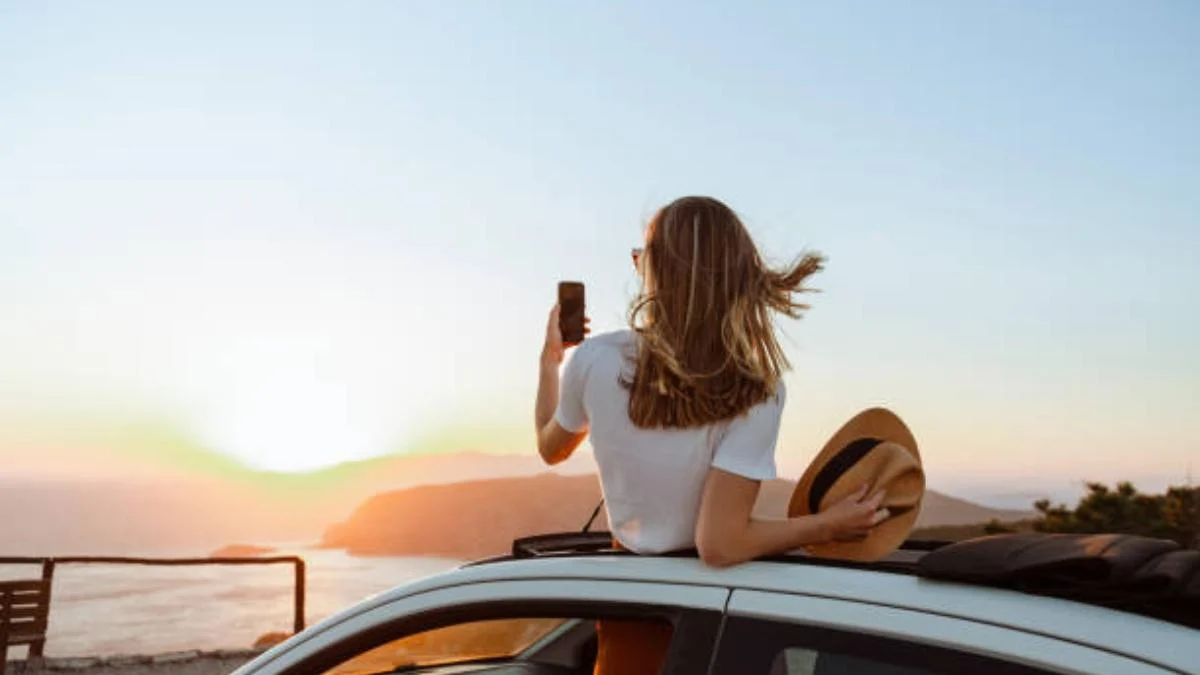
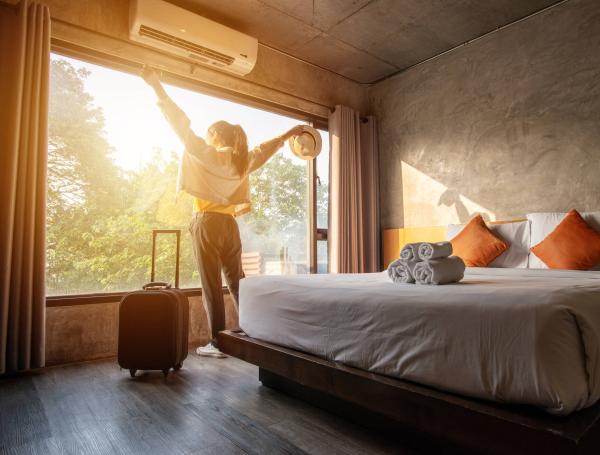
The phenomenon of women traveling alone (women solo travel) has established itself as one of the most powerful and transformative trends within the global tourism industry. However, beneath the glossy surface of viral social media itineraries and breathtaking panoramic shots lies a more complex reality. For millions of women, the desire to explore the world independently coexists with deeply rooted psychological, financial, and logistical barriers.
A comprehensive study conducted between 2023 and 2026 by Mentora de Viajes—a specialized travel education platform led by expert Mayra Elestina Lázaro—sheds light on these challenges. Surveying 1,190 women across 17 Latin American countries, the research identified the primary obstacles preventing women from taking their first solo trip:
Fear and limiting beliefs: 28.5%
Lack of know-how / How to organize a trip: 24.9%
Financial limitations / Budget constraints: 21.5%
Habitual reliance on companionship: 16.1%
Rather than merely highlighting difficulties, these findings present a compelling call to action for the global tourism ecosystem. Industry experts argue that the future of travel should move beyond simple "inspiration marketing." Instead, destinations, agencies, and operators must pivot toward educational infrastructure—guiding hesitant travelers from a place of apprehension to absolute autonomy.
Chronology of a Cultural Shift: From Taboo to Trend
To understand the current state of solo female travel, it is essential to trace how perceptions have evolved over recent years:
The Pre-Pandemic Era (Pre-2020): Traveling alone as a woman was frequently viewed through a lens of extreme caution, parental warning, or social stigma. Solo female travelers were often treated as anomalies or outliers, and resources tailored specifically to their safety, psychology, and logistical needs were scarce.
The Post-Pandemic Rebound (2021–2023): As global tourism resumed following worldwide lockdowns, a collective reevaluation of life priorities emerged. Millions of individuals—particularly women—reassessed their personal independence, leading to a surge in independent travel interest. Destinations began marketing themselves more intentionally as safe havens for solo explorers.
The Maturity and Data-Driven Phase (2023–2026): Studies like the one conducted by Mentora de Viajes marked a turning point. Instead of focusing solely on where women were traveling, researchers began examining why so many others were holding back. The industry shifted its focus toward dismantling psychological barriers, introducing verified safety metrics, and emphasizing digital trust.
The Present Landscape (Late 2026): Solo travel is no longer a niche sub-sector; it is a driving force in the tourism economy. However, the conversation has matured. Stakeholders now recognize that inspiration alone is insufficient; true market growth requires targeted education, structured transition pathways (such as hybrid group-to-solo tours), and robust community support networks.
Supporting Data: Understanding the Mind of the Modern Female Traveler
The data compiled by Mentora de Viajes provides a granular look at the friction points experienced by women when contemplating a solo journey.
[Primary Barriers to Women Solo Travel - Mentora de Viajes Study]
- Fear and limiting beliefs: 28.5%
- Lack of know-how / Organization skills: 24.9%
- Financial limitations: 21.5%
- Habitual reliance on companionship: 16.1%
- Other factors: 9.0%
1. Fear and Psychological Blocks (28.5%)
The psychological hurdle remains the highest wall to scale. According to Lázaro, phrases like "I’m not brave enough,""What if something happens to me?" or "It’s dangerous out there" are deeply ingrained cultural conditioning. Women are frequently socialized to prioritize collective safety, making the prospect of confronting the unknown entirely on their own a daunting mental leap.
2. The Logistical Deficit (24.9%)
Knowing how to travel is a distinct skill set. It involves evaluating risks, mapping routes, booking reliable accommodations, navigating foreign public transit, and managing real-time emergencies. Many women report wanting to travel, but freezing at the operational phase—unable to distinguish between a realistic hazard and an exaggerated media-hyped danger.
3. Economic Realities (21.5%)
While financial constraints affect all travelers, they hit solo travelers with unique intensity. The notorious "single supplement fee" penalizes solo occupants in hotels and tours, driving up costs. Furthermore, without a companion to split expenses like transportation, dining, and lodging, the financial threshold for solo travel is frequently higher.
4. The Comfort of Companionship (16.1%)
A significant segment of prospective travelers has spent decades navigating the world surrounded by partners, family members, or close friends. When those relationships shift—whether through divorce, bereavement, or simply conflicting schedules—these women find themselves paralyzed, having never developed an independent travel identity.
Official Responses and Expert Insights
Industry leaders emphasize that the narrative surrounding solo travel is undergoing a radical transformation.
Mayra Elestina Lázaro, founder of Mentora de Viajes, points out that women approach solo travel through two distinct pathways:
"Aperture to solo travel doesn’t always start because a woman sets it as an initial goal. Some approach us wanting to learn how to travel with greater autonomy and discover that doing it without company is liberating. Others have traveled for years accompanied and, when their circumstances change, they need to learn a brand-new way of moving through the world. For them, the journey becomes an opportunity to start over and encounter a renewed version of themselves."
Lázaro stresses that while digital platforms and social media are overflowing with travel tips, tips alone cannot build decision-making frameworks.
"A tip can give you information, but it doesn’t necessarily help you understand what you need to take the next step. When I talk with women about traveling alone, deep-seated fears, prejudices, dependency on company, security doubts, and even the belief of not feeling capable of doing it all surface," she explains.
Weighing in from the corporate perspective, Verónica De Óscar, Chief B2B Sales Officer at Civitatis, highlighted in a mid-2026 interview how traveler priorities have shifted over the years. While fear of the unknown was once an insurmountable brick wall, contemporary female travelers possess access to unprecedented layers of verification:
"Today, travelers value having clear information, verified reviews, and organized activities, which drastically reduces uncertainty."
De Óscar and Lázaro converge on a singular conclusion: the modern solo traveler is not seeking reckless abandon; she is seeking calculated empowerment backed by reliable data and community trust.
Implications for the Global Tourism Industry
The insights generated by these studies carry profound implications for travel agencies, destination marketing organizations (DMOs), hoteliers, and tour operators.
Moving From "Inspiration" to "Education"
For decades, tourism marketing targeted at women relied heavily on aesthetic inspiration—dreamy destination videos, pastel sunsets, and poetic captions. Lázaro argues that this is no longer enough:
"During a long time, the focus has been on inspiring women to travel, but this is not always sufficient. The tourism sector has the opportunity not only to think about how to attract women who already travel, but also how to educate those who yearn to do so."
The Rise of Hybrid and Transitional Travel Products
To capture the 16.1% who struggle with the habit of companionship and the nearly 25% lacking organizational confidence, smart travel brands are introducing transitional products. These include:
Micro-group tours for solo travelers: Designed specifically to allow individuals to travel independently while maintaining the safety net of a guided cohort.
Skill-building travel masterclasses: Workshops hosted by tour operators that teach itinerary planning, digital safety, and financial budgeting prior to departure.
Solo-friendly hospitality standards: Hotels eliminating single supplements, offering communal dining spaces, and providing verified local emergency contacts to ease first-time anxiety.
Economic and Social Empowerment
Ultimately, addressing the barriers to women’s solo travel is more than a commercial opportunity—it is a social catalyst. When a woman successfully navigates a foreign country on her own terms, she dismantles internal and external limitations that extend far beyond vacation planning. She cultivates resilience, sharpens her problem-solving abilities, and reclaims her autonomy.
As accessibility improves, infrastructure grows smarter, and educational networks like Mentora de Viajes continue to bridge the knowledge gap, the path of the solo female traveler will become less of a daring anomaly and more of an accessible, celebrated norm across the globe.
Medellín, Colombia — For years, the "City of Eternal Spring" has wrestled with a paradox. Nestled within a steep Andean valley that traps industrial emissions, vehicular exhaust, and particulate matter, Medellín frequently registers some of…
Caring for a domestic companion animal extends far beyond providing daily meals, regular exercise, and routine vaccinations. As human-animal interactions grow increasingly intimate in modern urban households, veterinary medicine and public health experts are placing…
BOGOTÁ — As the Colombian capital gears up for one of the most anticipated musical gatherings in Latin America, official economic projections reveal that the upcoming Festival Cordillera 2026 will serve as a massive financial…