By Edwin Caicedo
Environment and Health Journalist
Updated: April 26, 2026
Main Facts
The environmental institutional framework of Colombia is facing an unprecedented institutional and humanitarian crisis. Following a devastating wave of violence that struck the southwestern region of the country on Saturday, April 25, 2026, the Association of Regional Autonomous Corporations and Sustainable Development (Asocars) has issued a rigorous, urgent alert regarding the total lack of safety guarantees for environmental personnel operating in conflict zones.
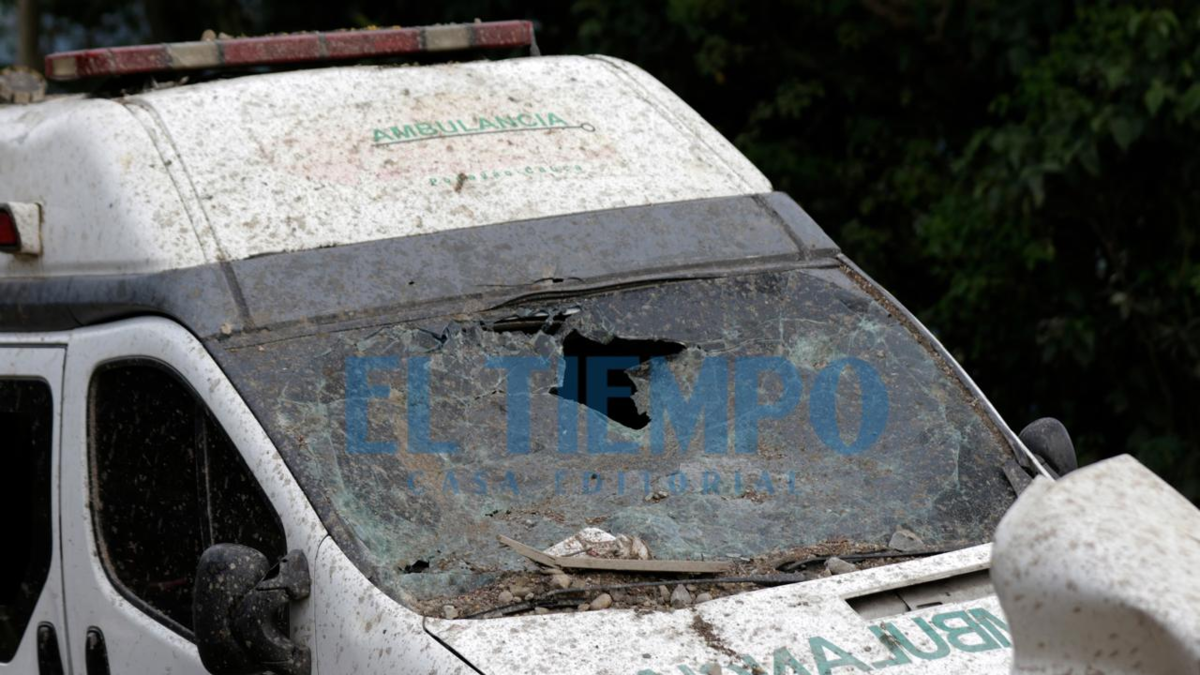
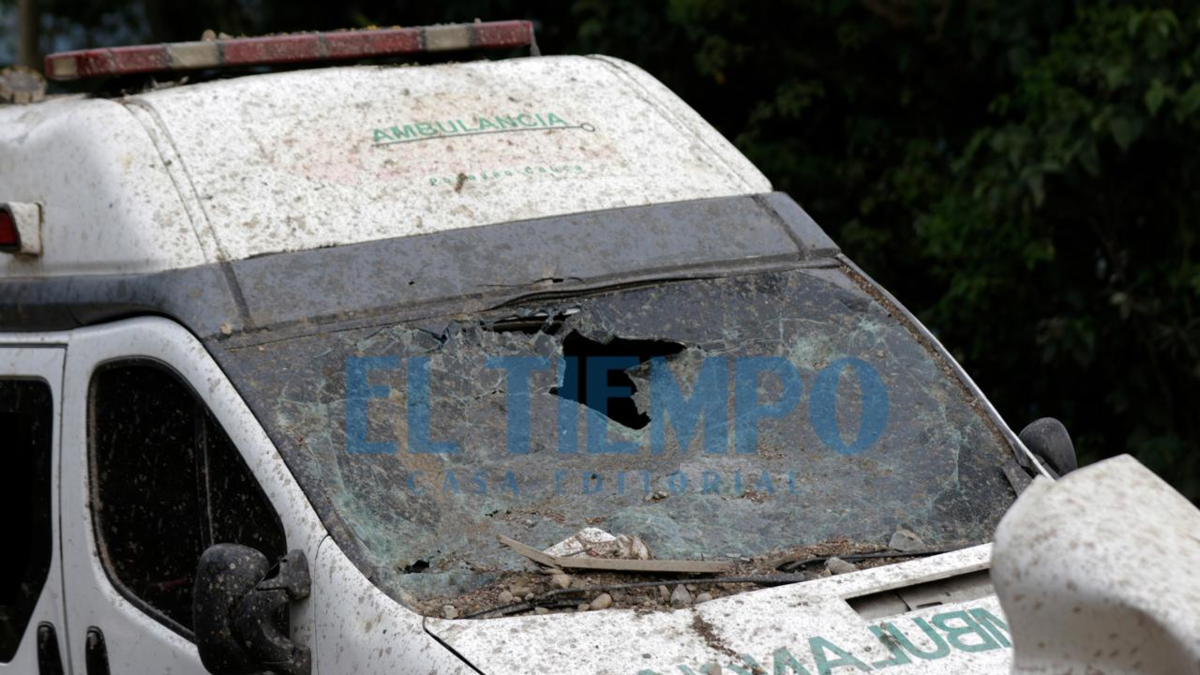
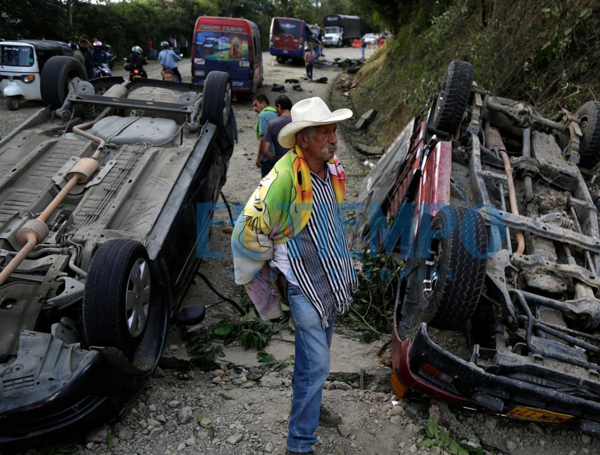
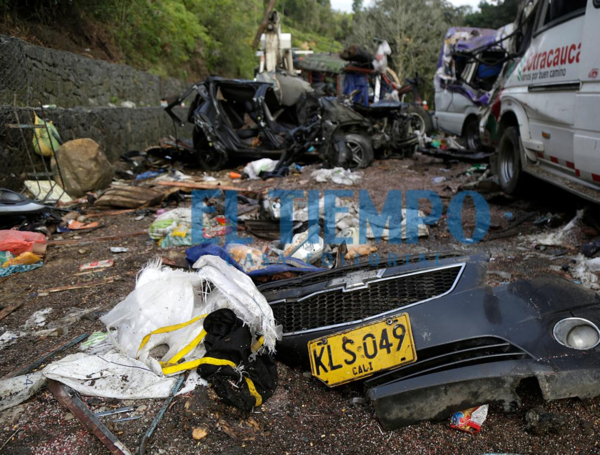
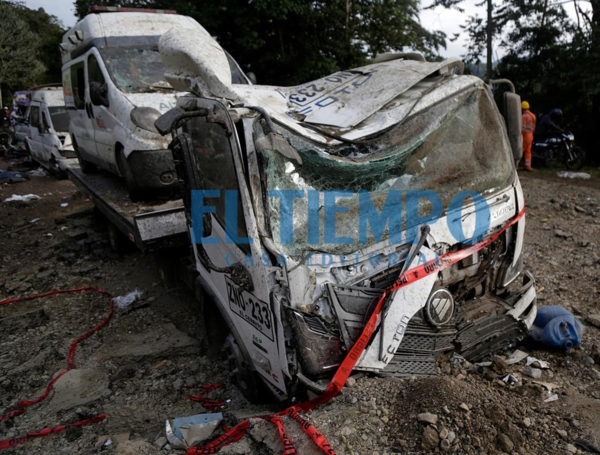
The catalyst for this nationwide outcry was a brutal terrorist attack perpetrated in the Cajibío Tunnel sector, located in the department of Cauca. The bombing and subsequent violent clashes left a tragic toll of at least 14 people dead, severely impacting the civilian population, regional infrastructure, and local governance.
Among the fatalities are two dedicated public servants belonging to the Regional Autonomous Corporation of Cauca (CRC):

- Patricia Mosquera: A valued professional from the Patía Territorial Directorate and a widely respected social leader within the Afro-Patian Women’s Social Movement (Movimiento Social de Mujeres Afropatianas).
- Jarol Jair Bojorge: A committed official serving within the internal control division of the CRC.
The tragedy has laid bare a grim reality: environmental authorities, who are legally mandated to protect Colombia’s rich biodiversity, water basins, and natural resources, have increasingly become collateral damage—and sometimes direct targets—in a persistent escalation of armed conflict. Asocars has categorically rejected the attack, denouncing the deteriorating public order in Cauca and Valle del Cauca, and demanding immediate, concrete interventions from the National Government to safeguard the lives of those who protect the environment.
Chronology of Events
To understand the magnitude of the April 25 tragedy, it is essential to trace the timeline of events leading up to the security collapse in Colombia’s southwest:
- Early April 2026: Intelligence reports and local ombudsmans register a steady uptick in armed confrontations between illegal armed groups competing for territorial control, drug trafficking routes, and illegal mining economies in the departments of Cauca and Valle del Cauca.
- Friday, April 24, 2026: Tension mounts along critical corridors, including the Pan-American Highway, where isolated security incidents begin to disrupt transit and threaten local indigenous communities, prompting early local warnings of imminent violence.
- Saturday, April 25, 2026 (Day of the Attack): A powerful explosive device detonates in the Cajibío Tunnel sector of Cauca. The sheer force and tactical nature of the attack overwhelm the immediate area, resulting in 14 fatalities, massive structural damage, and widespread panic. Among the victims are CRC employees Patricia Mosquera and Jarol Jair Bojorge, who were either traveling for institutional duties or caught in the crossfire of the regional escalation.
- Sunday, April 26, 2026: Asocars releases a sweeping official statement condemning the attack, extending solidarity to the CRC leadership, and publicly declaring that environmental governance in rural Colombia has become functionally untenable without specialized military or police protection. Concurrently, environmental journalists and national media outlets begin heavily scrutinizing state control over the region.
Supporting Data and Institutional Vulnerability
The crisis facing Colombia’s Regional Autonomous Corporations (CARs) is not merely a localized security failure; it represents a systemic structural vulnerability. According to data provided by Asocars, over 70% of all CAR employees across the country are assigned to operational roles and frontline environmental authority duties.
Unlike administrative personnel who operate from secure urban office buildings, frontline environmental workers must regularly travel into remote, ecologically sensitive, and heavily contested rural territories. Their day-to-day responsibilities include:
- Inspecting and shutting down illegal mining operations (which frequently serve as financing mechanisms for illegal armed groups).
- Monitoring deforestation, illegal logging, and wildlife trafficking.
- Managing watershed protections and supervising regional infrastructure projects.
- Engaging directly with rural, indigenous, and Afro-descendant communities on sustainable development practices.
Because these tasks often directly conflict with the economic interests of criminal syndicates, dissidents, and drug-trafficking cartels, environmental workers find themselves on the front lines of a war they are neither trained nor equipped to fight. The lack of bulletproof transport, intelligence briefings, and dedicated security escorts leaves these civil servants dangerously exposed.
Yesid González Duque, executive director of Asocars, emphasized this point during his address: "It is clear that there are no conditions for us to exercise our mission of administering and conserving natural resources." When state environmental agencies cannot safely access ecosystems, protected areas effectively fall under the de facto control of criminal actors who exploit natural resources with absolute impunity.

Official Responses and Condolences
The reaction from environmental leadership, regional entities, and civil society has been swift, unified, and deeply critical of the current security paradigm.
Asocars’ Executive Pronouncement
Yesid González Duque did not mince words when categorizing the security situation, labeling the events as part of an intolerable "terrorist escalation":
"We categorically reject this attack and the terrorist escalation that our country is suffering, especially in Cauca and Valle del Cauca, regions that have been the target of cruel attacks affecting the population and institutional stability."
González Duque extended profound condolences on behalf of the entire national environmental guild to Amarildo Correa Obando, director of the CRC, as well as to the families, colleagues, and loved ones of Patricia Mosquera and Jarol Jair Bojorge. "To the families of Patricia and Jarol, our solidary embrace of condolence in this sad and difficult moment," the organization stated.
The Call from the Board of Directors
Ángelo Bacci Hernández, president of the board of directors of Asocars and director of the Regional Autonomous Corporation of the Dique Canal (Cardique), escalated the appeal directly to the highest levels of national leadership. Bacci Hernández issued an urgent call to the National Government, state institutions, control bodies, and Colombian civil society to "rally around" regional entities and the vulnerable communities trapped in violence-stricken zones.
The sentiment echoed across multiple editorials and public statements over the weekend, where prominent voices questioned whether the state had lost effective territorial control in strategic corridors of the country. Critics argue that peace policies and military strategies have thus far failed to provide a defensive umbrella for civilian state institutions, leaving regional corporations isolated against heavily armed factions.

Implications for Environmental Governance and the Future
The assassination of Patricia Mosquera and Jarol Jair Bojorge, alongside the broader loss of 14 lives in Cajibío, carries profound long-term implications for Colombia’s environmental future, public administration, and peacebuilding efforts:
- Paralysis of Environmental Authority: When regional corporations are forced to suspend field operations out of fear for their workers’ lives, illegal logging, predatory gold mining, and land grabbing accelerate unchecked. The environment becomes an immediate victim of the vacuum left by retreating state institutions.
- The Human Cost to Social Leadership: The loss of Patricia Mosquera—not only a public servant but a recognized leader of the Afro-Patian Women’s Social Movement—highlights the lethal intersection between environmental defense, gender-ethnic leadership, and regional violence in Colombia. Colombia remains one of the most dangerous countries in the world for environmental and human rights defenders.
- Deepening Institutional Crisis: The inability of the central government to guarantee safe passage and working conditions for civil servants deepens public cynicism regarding state presence in peripheral regions. Calls for a thorough revision of security protocols for public officials are mounting, with trade unions demanding hazard pay, enhanced evacuation protocols, and active-duty security details for field missions.
- The Intersection of Peace and Conservation: Asocars’ warning underscores an undeniable geopolitical truth in modern Colombia: true environmental conservation is impossible without sustainable peace, territorial security, and the dismantling of illegal armed economies. Until the state can reclaim the monopoly on security in departments like Cauca and Valle del Cauca, every tree planted, water source monitored, and law enforced will come at an unacceptable human cost.
As the nation mourns the victims of the Cajibío bombing, the grieving environmental community stands at a historic crossroads, demanding that the sacrifice of public servants like Patricia Mosquera and Jarol Jair Bojorge forces a definitive, protective state intervention before the guardians of Colombia’s natural heritage are entirely silenced.